Zero-Waste Metallurgical Processing: Profitable Shift for Independent Refiners
Author : Shawn Fisher | Published On : 03 Sep 2026
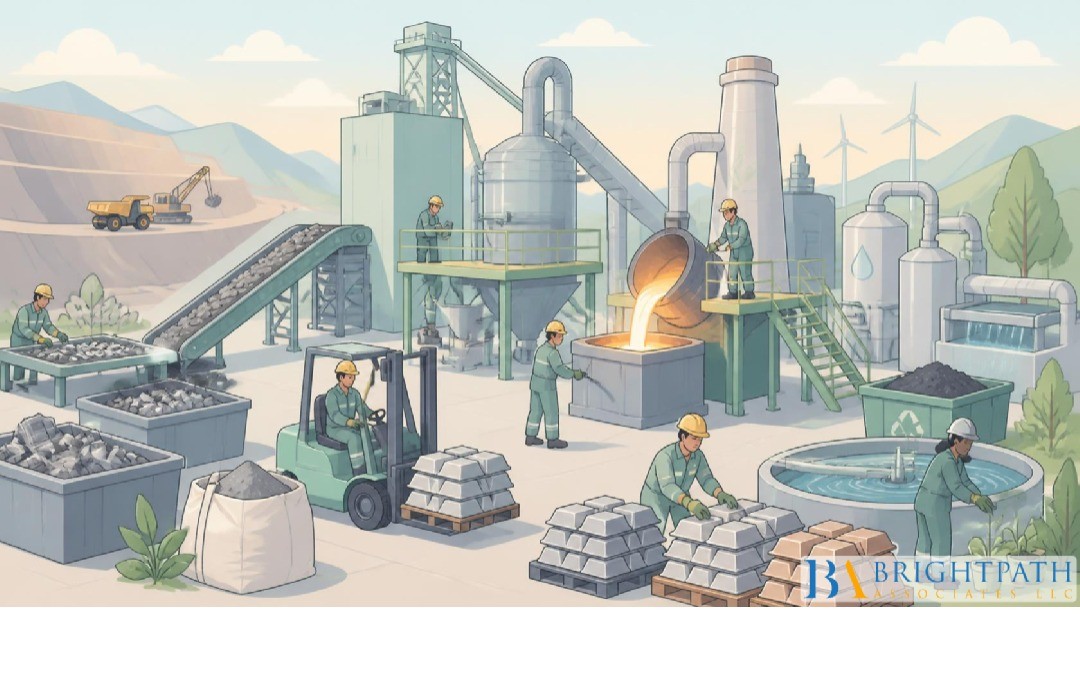
For independent refiners, profitability has traditionally depended on one central equation: how much valuable metal can be recovered from available feedstock at an economically viable cost. But that equation is changing. Rising environmental expectations, volatile input costs, resource constraints, and increasing pressure to use materials more efficiently are pushing refiners to reconsider what they define as “waste.”
In modern metallurgy, waste is increasingly being viewed not simply as an unavoidable byproduct, but as a potential source of recoverable value. Advances in processing technologies, material recovery, automation, and process optimization are creating opportunities for smaller refining businesses to extract more value from the same feedstock while reducing environmental burdens.
This shift is particularly relevant across the Mining & Metals Industry, where companies are balancing production economics with sustainability, regulatory expectations, and the need to modernize aging operations.
The Economics Behind Zero-Waste Processing
The concept of zero-waste metallurgical processing does not necessarily mean that a facility will generate absolutely no residual material. Instead, it represents a strategic effort to minimize waste while recovering value from streams that might previously have been discarded.
For independent refiners, this distinction is important. Large mining corporations may have greater access to capital for extensive processing infrastructure, research programs, and large-scale technology deployments. Smaller refiners often need to generate returns from incremental investments.
A waste stream that contains even a small quantity of valuable material can become economically meaningful when recovery technologies improve. Slag, residues, process dust, tailings, spent catalysts, and other secondary materials may contain metals that can be recovered through appropriately designed processing systems.
Metallurgy Is Moving Toward Maximum Resource Utilization
Traditional metallurgical operations often focus on the primary recovery target. Once the principal metal has been extracted, remaining material may receive significantly less attention.
Advanced separation techniques, hydrometallurgical processes, improved pyrometallurgical controls, selective extraction, and recovery technologies can make it possible to capture additional value from secondary streams. Better characterization of feedstock can also help operators understand exactly where valuable elements are being lost.
This is where modern metallurgy becomes increasingly data-driven. Instead of relying entirely on historical assumptions about feed characteristics and recovery rates, refiners can use analytical information to identify losses and optimize process conditions.
Turning Waste Reduction Into a Business Strategy
Environmental initiatives sometimes become disconnected from financial strategy. Zero-waste processing offers an opportunity to combine the two.
Reducing waste can lower disposal requirements, improve material utilization, reduce exposure to certain environmental liabilities, and potentially create additional revenue streams. When these benefits are combined with improved recovery rates, the business case for process modernization becomes stronger.
A technology that appears expensive when evaluated only against equipment costs may look very different when its impact on metal recovery, disposal expenses, energy consumption, compliance exposure, and operational efficiency is considered over several years. This requires leadership teams to move beyond short-term capital expenditure calculations and examine the complete economics of the refining process.
Technology Can Make Smaller Refiners More Competitive
One of the most important developments in modern metal processing is the increasing accessibility of technologies that were once associated primarily with large industrial operations. Automation, process sensors, advanced analytical systems, machine learning, digital monitoring, and improved control systems can provide smaller facilities with better visibility into their operations.
Real-time process data can help operators identify deviations before they become expensive failures. Automated controls can improve consistency. Advanced analytics can help identify relationships between feed characteristics and recovery performance.
The result is a refining operation that can respond more quickly to changing conditions. For smaller companies, this flexibility can become a competitive advantage. They may not have the scale of major producers, but they can potentially differentiate themselves through operational agility, specialized processing capabilities, and efficient resource utilization.
The Hidden Challenge: Process Integration
Implementing zero-waste principles is not simply a matter of installing a new recovery technology. The entire processing chain must be considered.
A change in one stage can affect another. Increasing recovery from a particular waste stream may alter chemical consumption, energy requirements, material handling, downstream treatment, or equipment maintenance. Similarly, recovering an additional metal may create a secondary material that requires further processing.
Refiners need leaders who understand the relationship between mineral characteristics, metallurgical chemistry, equipment performance, production economics, environmental requirements, and downstream markets. This is where technical expertise becomes a strategic business capability rather than merely an operational function.
The Next Competitive Advantage May Be What Companies Recover
The future of metallurgical processing may not depend solely on extracting more material from new resources. It may increasingly depend on extracting more value from the resources companies already handle. That is what makes zero-waste processing such an important strategic concept.
Independent refiners that successfully reduce material losses, recover secondary value, optimize energy and resource consumption, and integrate digital technologies could strengthen both their environmental performance and their margins.
The opportunity is not about pursuing “zero waste” as a slogan. It is about changing the way refiners think about value. Every residue represents a question. Every process loss represents an opportunity for investigation. Every inefficiency can potentially become a source of competitive advantage.
