Zero-Trust Networking: Securing Connected Farm Machinery from Ransomware
Author : Alex Turner | Published On : 31 Jul 2026
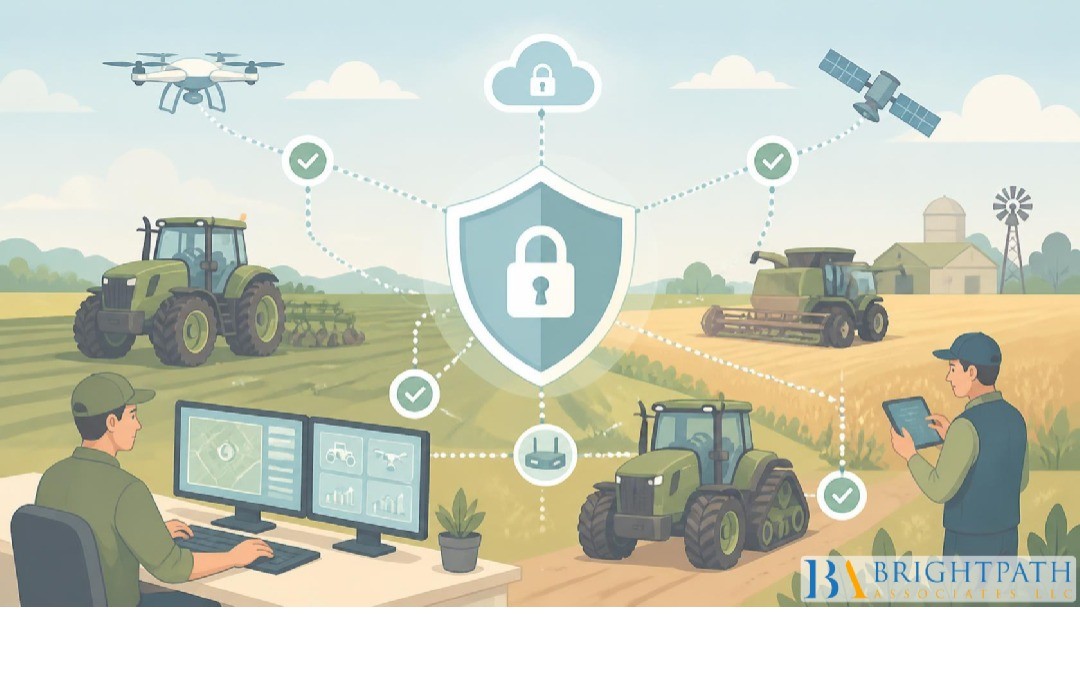
Agriculture has evolved far beyond tractors, irrigation systems, and manual recordkeeping. Today's farming operations increasingly rely on connected machinery, GPS-guided equipment, smart irrigation systems, drones, autonomous vehicles, cloud-based farm management software, and Internet of Things (IoT) sensors that work together to improve productivity. These technologies have transformed modern agriculture by enabling data-driven decisions, reducing labor requirements, and increasing operational efficiency. However, this digital transformation has also introduced new cybersecurity challenges. As farms become more connected, they become more attractive targets for cybercriminals seeking to disrupt operations through ransomware attacks and other malicious activities. Implementing a Zero Trust networking strategy is becoming an essential step for protecting connected farm machinery and ensuring business continuity.
Unlike traditional cybersecurity models that assume users and devices inside a network can generally be trusted, Zero Trust follows a simple principle: never trust, always verify. Every device, application, and user must continuously authenticate before accessing systems or sensitive information. Whether someone is working from a farm office, accessing machinery remotely, or monitoring field operations through mobile devices, every connection is verified before permissions are granted. This approach significantly reduces the likelihood of unauthorized access while limiting the spread of cyber threats if an attack occurs.
Connected farming equipment generates enormous volumes of valuable data. Tractors, combines, harvesters, irrigation controllers, weather stations, soil sensors, and drones continuously exchange information that supports planting schedules, equipment maintenance, crop monitoring, and yield optimization. While these connected systems improve efficiency, they also expand the number of potential entry points for cyberattacks. A single compromised sensor, unsecured wireless connection, or outdated software update can provide attackers with access to larger operational networks.
Ransomware has become one of the fastest-growing threats facing digitally connected businesses across every industry, including agriculture. In a ransomware attack, malicious software encrypts important operational data or disables critical systems until a payment demand is met. For farming operations, even temporary downtime during planting or harvest can result in substantial financial losses. Equipment may become inaccessible, irrigation schedules may be interrupted, inventory systems may stop functioning, and communication between connected devices may fail. Beyond immediate financial consequences, prolonged disruptions can affect customer relationships, contractual obligations, and long-term profitability.
Zero Trust networking helps minimize these risks by segmenting networks into smaller, controlled environments. Instead of allowing unrestricted communication between every connected device, access is granted only where necessary. A soil moisture sensor does not require access to financial records, just as payroll software should never communicate directly with autonomous field equipment. Network segmentation limits the movement of attackers if one device becomes compromised, preventing isolated incidents from spreading throughout the organization.
Identity verification plays an equally important role in a Zero Trust environment. Employees, contractors, equipment vendors, and technology partners often require remote access to farming systems. Multi-factor authentication, role-based access controls, and continuous identity verification ensure that only authorized individuals can access sensitive resources. Even if login credentials are stolen through phishing or other cyberattacks, additional verification layers significantly reduce the likelihood of unauthorized access.
Continuous monitoring further strengthens cybersecurity across connected agricultural operations. Modern security platforms analyze network activity, user behavior, and device communications in real time. Artificial intelligence and behavioral analytics identify unusual activity such as unexpected login attempts, unfamiliar devices, abnormal data transfers, or suspicious equipment commands. Security teams receive immediate alerts, allowing them to investigate potential threats before they develop into major operational disruptions.
Software updates and device management are also essential components of a successful Zero Trust strategy. Agricultural machinery increasingly relies on embedded software that controls navigation, automation, diagnostics, and communication capabilities. Keeping firmware and software current helps eliminate known vulnerabilities that cybercriminals frequently exploit. Centralized device management enables organizations to verify software integrity, deploy updates efficiently, and ensure security policies remain consistent across every connected asset.
Cloud computing has become another valuable tool within modern agriculture. Many farming businesses use cloud-based platforms for production planning, inventory management, financial reporting, equipment monitoring, and analytics. While cloud services provide flexibility and scalability, they also require strong security controls. Zero Trust principles extend naturally into cloud environments by verifying every user, encrypting sensitive information, and continuously evaluating access requests regardless of physical location. This approach supports secure collaboration while protecting valuable operational data.
Cybersecurity awareness among employees is equally important. Many ransomware incidents begin with phishing emails, weak passwords, or accidental downloads of malicious files. Even the most advanced security technology cannot eliminate human error entirely. Regular employee training helps staff recognize suspicious communications, follow secure authentication practices, and report unusual activity promptly. Building a culture of cybersecurity awareness complements technical safeguards and reduces overall organizational risk.
Small and mid-sized farming businesses often assume cybercriminals focus only on large corporations. In reality, attackers frequently target smaller organizations because they may have fewer dedicated security resources. As connected farming technologies become more affordable and widely adopted, cybersecurity can no longer be viewed as optional. Protecting digital infrastructure is becoming just as important as maintaining tractors, irrigation equipment, and harvesting machinery.
Technology implementation alone does not guarantee cybersecurity success. Organizations also require experienced professionals who understand agricultural operations, information technology, automation systems, and cyber risk management. Engineers, automation specialists, IT managers, operations leaders, cybersecurity professionals, and executive decision-makers all contribute to building resilient agricultural businesses capable of adapting to emerging digital threats.
As precision agriculture, automation, and connected farming continue evolving, demand for highly skilled professionals will continue increasing. Organizations investing in digital transformation require leaders capable of integrating innovative technologies while maintaining operational efficiency and regulatory compliance. Recruiting experienced professionals with expertise in both agriculture and technology has become an important competitive advantage for forward-thinking businesses.
BrightPath Associates supports agricultural organizations by connecting them with experienced engineering, operations, technology, and executive professionals who understand the challenges facing today's farming industry. Businesses interested in exploring additional perspectives on cybersecurity, connected agriculture, and Zero Trust networking can also review BrightPath Associates' related industry insights at Securing Connected Farm Machinery from Ransomware.
The future of agriculture will depend not only on smarter equipment but also on stronger digital resilience. Farms that adopt Zero Trust networking principles today will be better prepared to protect valuable data, reduce ransomware risks, maintain uninterrupted operations, and strengthen customer confidence. As agriculture becomes increasingly connected, cybersecurity will remain a critical component of sustainable growth and long-term success.
