World Humanitarian Day and the Importance of Restoring Mobility and Independence
Author : Nitish Rane | Published On : 10 Aug 2026
Mobility can influence almost every part of daily life. The ability to walk, move independently, attend school, work, participate in community activities, and complete everyday tasks can have a profound impact on a person's confidence and opportunities. For children and differently abled people who need medical assistance, access to corrective surgeries and artificial limbs can become an important step toward greater independence.
World Humanitarian Day provides an opportunity to recognize the people and organizations working to improve lives and to consider how individuals can contribute to meaningful humanitarian causes. For Americans, August 19 can be a reminder that charitable giving can support practical solutions that help people regain mobility, confidence, and opportunities.
What Does World Humanitarian Day Represent?
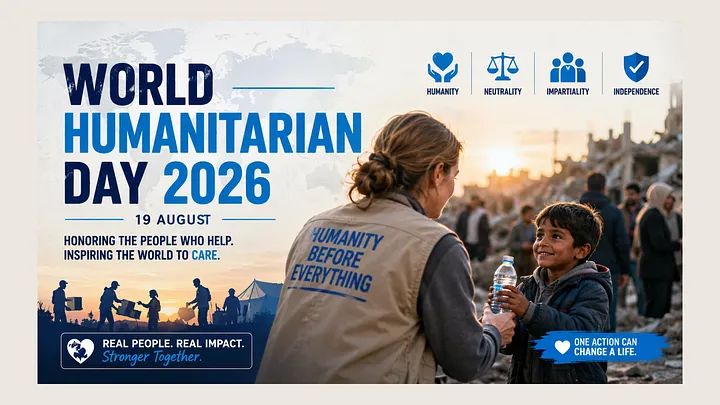
World Humanitarian Day is observed annually on August 19 to recognize humanitarian workers and highlight the importance of humanitarian action.
The observance has its roots in the tragic 2003 bombing of the United Nations headquarters in Baghdad. The attack claimed the lives of 22 people, including humanitarian personnel. The United Nations later designated August 19 as an annual observance honoring humanitarian workers.
Today, the day encourages people around the world to recognize humanitarian efforts and think about how they can contribute to protecting dignity and improving lives.
Humanitarian support can include many different forms of assistance. Medical treatment, rehabilitation, mobility solutions, education, and vocational training can all help individuals overcome barriers and work toward greater independence.
Why Mobility Is Important
Mobility is closely connected with independence. Being able to move around without relying heavily on others can affect a person's ability to study, work, socialize, and participate in everyday activities.
For a child, mobility can make it easier to attend school, play with friends, and participate in activities that support development. For an adult, mobility can influence employment, vocational training, family responsibilities, and community participation.
When a person loses a limb or experiences a physical condition that affects movement, access to appropriate medical care can make a significant difference.
An artificial limb can provide mobility support, while corrective surgery can address certain physical conditions when medically appropriate.
World Humanitarian Day 2026 and Human Dignity
The world humanitarian day 2026 observance provides an opportunity to think about humanitarian action from the perspective of dignity and independence.
The world humanitarian day 2026 theme is associated with the wider 2026 campaign message, #ActForHumanity, which encourages people to support humanitarian action and stand behind the principles of humanity.
This message can inspire individuals to think about practical ways they can contribute. Supporting medical and rehabilitation programs is one way to translate compassion into tangible assistance.
Rather than simply acknowledging humanitarian challenges, donors can choose to support initiatives that help people overcome physical barriers and pursue more independent lives.
Artificial Limbs Can Open New Possibilities
An artificial limb can be much more than a mobility device. For someone who has lost a limb or needs limb support, receiving an appropriate artificial limb can create opportunities to perform daily activities with greater independence.
For children, mobility support may help with education, recreation, and social participation. For adults, it may support employment, vocational training, and other personal goals.
However, receiving an artificial limb is only one part of the process. Proper fitting, rehabilitation, training, and continued guidance can help individuals adapt and make effective use of their mobility solution.
This is why donations supporting comprehensive rehabilitation programs can have meaningful long-term value.
Corrective Surgeries Can Change a Child's Future
Children with physical conditions requiring corrective treatment may face challenges in their daily lives. When appropriate medical care is not accessible, these challenges can affect education, social participation, and future opportunities.
Corrective surgeries can help address certain physical conditions and may improve functionality. Follow-up rehabilitation can further support recovery and adaptation.
A donation toward such medical services can therefore contribute to more than immediate treatment. It can help create possibilities for a child to participate more actively in school, develop skills, and work toward a more independent future.
August 19 World Humanitarian Day: Turning Compassion Into Action
August 19 World Humanitarian Day gives individuals an opportunity to consider how they can transform compassion into meaningful support.
People in the USA can participate in several ways.
Donate Toward Medical Assistance
A donation can help support programs that provide artificial limbs, corrective surgeries, rehabilitation, and related medical assistance.
Support Rehabilitation
Medical treatment can be the beginning of a longer journey. Rehabilitation and mobility training can help individuals adapt and develop greater functional independence.
Support Vocational Opportunities
For differently abled people, vocational training can help build skills and create opportunities for employment or self-reliance.
Organize a Fundraiser
Americans can bring friends, family members, coworkers, or community groups together to raise funds for a humanitarian cause.
Share Awareness
Social media and community networks can help spread awareness about organizations providing meaningful medical and rehabilitation assistance.
How Humanitarian Giving Can Create Long-Term Impact
Charitable giving can have different forms of impact. Some contributions address an immediate need, while others can help create opportunities that continue long after the initial assistance.
A corrective surgery can potentially improve a child's physical abilities. An artificial limb can help someone regain mobility. Rehabilitation can support adaptation, while vocational training can help individuals develop skills.
Together, these services can contribute to a more comprehensive pathway toward independence.
For donors, this means that humanitarian giving can be about more than providing immediate relief. It can also support the conditions that allow people to pursue education, employment, and greater participation in society.
Responsible Giving From the USA
Americans interested in humanitarian giving can take time to understand the organizations they support. Before donating, consider the organization's mission, programs, and the specific services it provides.
If your priority is supporting mobility and medical care, look for programs that focus on artificial limbs, corrective surgeries, rehabilitation, and vocational development.
Purposeful giving allows donors to connect their financial support with causes that align with their values.
When Is the World Humanitarian Day?
If you are wondering when is the World Humanitarian Day, it is observed every year on August 19. In 2026, the observance falls on Wednesday, August 19.
The date can serve as an annual reminder to recognize humanitarian workers and consider ways to support people who need meaningful assistance.
However, humanitarian action does not have to be limited to one day. A donation made on August 19 can be the beginning of a longer commitment to a cause.
Supporting Mobility Through Humanitarian Action
One meaningful way to observe World Humanitarian Day is to support people who need access to mobility and medical assistance.
Narayan Sewa Sansthan INC supports initiatives focused on providing artificial limbs and corrective surgeries to underprivileged children and differently abled people. Such assistance can help individuals work toward improved mobility, rehabilitation, and greater independence.
USA-based donors who want to make their humanitarian contribution meaningful can consider supporting medical programs that address these needs.
Make Mobility Part of Your Humanitarian Giving
The significance of World Humanitarian Day extends beyond recognizing a date. It is an opportunity to think about how compassion can become practical action.
For a child, corrective surgery may create new possibilities for education and development. For a differently abled person, an artificial limb may provide an opportunity for greater mobility. Rehabilitation and vocational training can then help individuals continue building their futures.
This August 19, consider turning your compassion into action. Support Narayan Sewa Sansthan INC and contribute toward artificial limbs and corrective surgeries for children and differently abled people.
A thoughtful donation can help someone take a step toward greater mobility, confidence, dignity, and independence.
