Wood Product Manufacturing: Innovations and Challenges
Author : Kalvin Moss | Published On : 02 Apr 2026
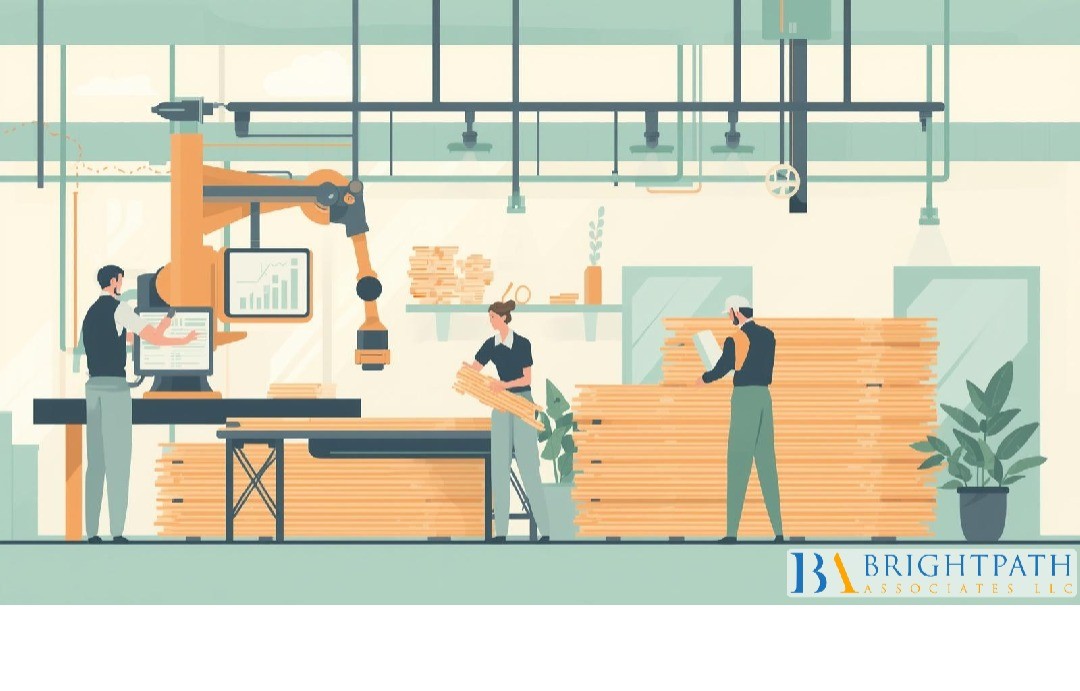
The wood product manufacturing industry is undergoing a significant transformation driven by innovation, sustainability pressures, and evolving market demands. For small to mid-sized companies in the United States, this transformation presents both an opportunity and a challenge. Leaders across the paper and forest products sector must now navigate a rapidly changing landscape where technological advancements, environmental expectations, and supply chain disruptions are reshaping how businesses operate. Companies that fail to adapt risk falling behind, while those that embrace innovation and strategic planning position themselves for long-term growth and competitive advantage.
One of the most notable shifts in wood product manufacturing is the integration of advanced technologies into production processes. Automation, data analytics, and precision machinery are enabling manufacturers to streamline operations, reduce waste, and improve product quality. Technologies such as CNC machinery and smart manufacturing systems have significantly enhanced accuracy and efficiency, allowing companies to produce consistent, high-quality outputs at scale. At the same time, Industry 4.0 innovations—including sensors, machine learning, and real-time data analysis—are helping manufacturers manage the natural variability of wood, which has historically been a complex challenge in production environments. These advancements are not just improving operational performance; they are redefining what is possible in wood manufacturing.
Sustainability has also become a central driver of innovation. With increasing global focus on environmental responsibility, wood manufacturers are under pressure to adopt eco-friendly practices and materials. The use of recycled wood, fast-growing species, and alternative raw materials is gaining traction as companies seek to reduce their environmental footprint. Additionally, innovations in engineered wood products—such as lightweight panels, fire-resistant materials, and multifunctional composites—are expanding the applications of wood beyond traditional uses. The development of bio-based adhesives and renewable materials is further supporting the industry’s transition toward a circular economy, reducing reliance on fossil-based components and minimizing harmful emissions.
However, these innovations do not come without challenges. One of the most pressing issues facing the industry is the availability of raw materials. Factors such as deforestation, climate change, and regulatory constraints are limiting access to high-quality wood resources, creating supply chain uncertainties. At the same time, rising costs for materials, labor, and energy are putting pressure on profit margins, particularly for smaller companies that may lack the financial flexibility of larger competitors. These challenges are compounded by increasing competition from alternative materials such as plastics and composites, which can sometimes offer lower costs or enhanced performance characteristics.
Another critical challenge is the pace of technological adoption. While advanced manufacturing technologies offer clear benefits, their implementation requires significant investment in infrastructure, training, and organizational change. Many companies in the wood products industry still operate with a mix of traditional and modern processes, leading to inefficiencies and limited scalability. Bridging this gap requires not only financial investment but also a strategic vision that aligns technology adoption with long-term business goals. Companies must also address the growing skills gap, as the workforce transitions from manual labor roles to more technical, data-driven positions.
Market dynamics further add to the complexity. Consumer preferences are shifting toward sustainable and customizable products, creating both opportunities and challenges for manufacturers. On one hand, there is growing demand for eco-friendly materials and innovative designs; on the other hand, meeting these expectations often requires additional investment in research, development, and production capabilities. Additionally, market resistance to new materials and technologies can slow adoption, particularly in industries that are traditionally conservative, such as construction and packaging. Overcoming these barriers requires not only innovation but also effective communication and education to build trust among customers and stakeholders.
Despite these challenges, the future of wood product manufacturing remains highly promising. The industry’s ability to innovate and adapt has already demonstrated its resilience in the face of economic and environmental pressures. Companies that prioritize sustainability, invest in advanced technologies, and diversify their product offerings are well-positioned to capitalize on emerging opportunities. Diversification, in particular, plays a critical role in reducing risk and enhancing stability. By expanding into new markets, applications, and customer segments, manufacturers can create multiple revenue streams and reduce dependence on any single sector.
Equally important is the role of talent in driving innovation and growth. As the industry evolves, the demand for skilled professionals with expertise in advanced manufacturing, sustainability, and digital technologies continues to rise. For small to mid-sized companies, attracting and retaining the right talent can be a significant challenge, yet it is also one of the most critical factors for success. Strategic hiring and workforce development are essential for building the capabilities needed to navigate industry transformation. Organizations that align their talent strategy with their long-term vision are better equipped to implement new technologies, improve operational efficiency, and maintain a competitive edge.
For companies seeking to strengthen their position within this evolving landscape, leveraging Paper and Forest Products industry specific expertise can provide a significant advantage. offers insights into how businesses can align their workforce strategies with industry demands, ensuring they have the right leadership and technical expertise in place. By focusing on targeted recruitment and strategic talent acquisition, companies can build resilient teams that are capable of driving innovation and sustaining growth.
Ultimately, the key to success in wood product manufacturing lies in balancing innovation with practicality. Companies must carefully evaluate which technologies and strategies will deliver the greatest return on investment while aligning with their operational capabilities and market positioning. At the same time, they must remain agile and responsive to changing industry conditions, continuously adapting their approach to stay ahead of competitors.
For a deeper exploration of the innovations and challenges shaping this sector, Wood Product Manufacturing provides valuable insights into the trends and strategies that are defining the future of the industry.
As the paper and forest products industry continues to evolve, leaders must ask themselves a critical question: is their organization prepared to embrace change, or will it struggle to keep pace with innovation? The decisions made today will determine not only how companies navigate current challenges but also how they position themselves for future success. By investing in technology, prioritizing sustainability, and building strong, skilled teams, organizations can transform challenges into opportunities and lead the next era of wood product manufacturing.
