Wisdom Tooth Extraction: What to Expect Before, During, and After the Procedure
Author : Arya Dental | Published On : 18 Jun 2026
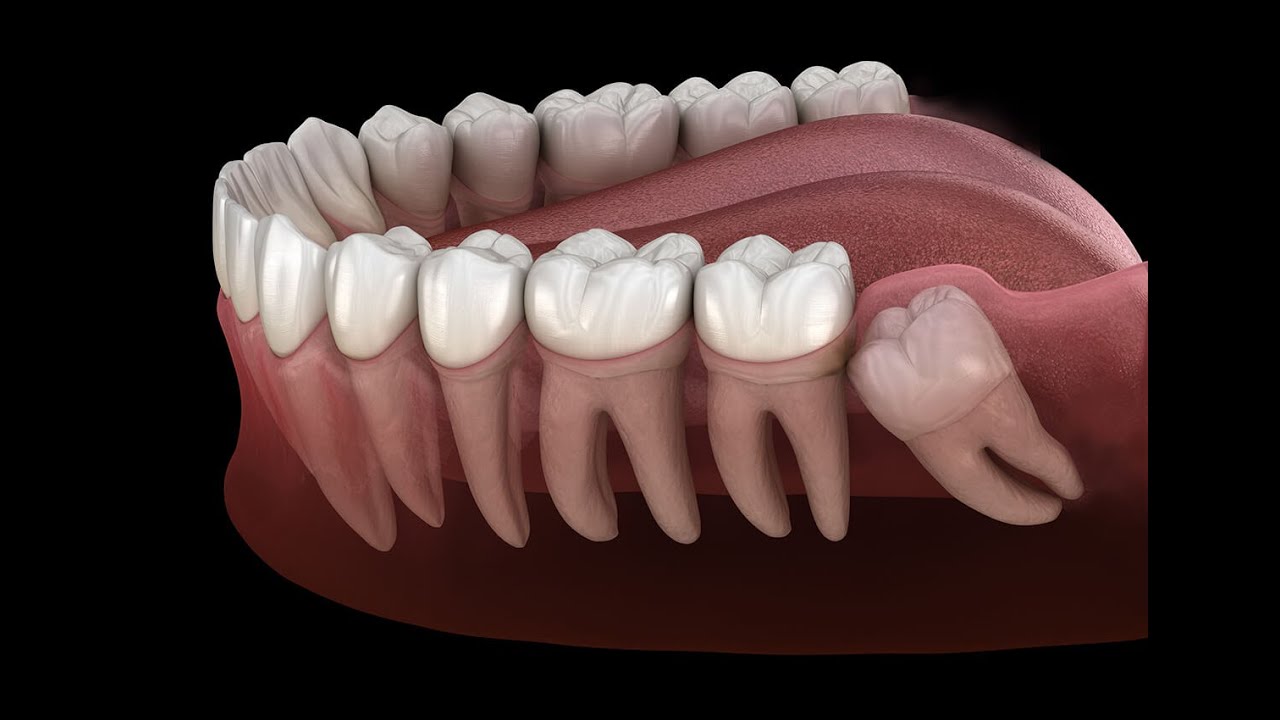
Getting a wisdom tooth removed can feel daunting, especially when you are not sure what the process actually involves. Most people have heard stories - some reassuring, others rather alarming - and it is hard to know what to believe. The truth is that modern dental care has made the procedure far more predictable and manageable than it used to be. Whether your dentist has flagged a partially erupted molar or you have been putting off that nagging ache for months, understanding the step-by-step journey from consultation to full recovery can help you walk in prepared and walk out feeling confident about the decision you made.
The Initial Consultation: Where It All Begins
Before anything else happens, your dentist or oral surgeon will schedule a thorough examination. This is not just a quick glance - it typically includes a dental X-ray or an OPG (Orthopantomogram) scan to assess the exact position of the wisdom tooth, its root structure, and how closely it sits near nerves or adjacent teeth.
What Your Dentist Is Looking For
The angle of the tooth matters enormously. A tooth that sits vertically and has fully erupted is far simpler to remove than one that is horizontally impacted, buried under the gumline, or positioned near the inferior alveolar nerve. Your dentist will classify the impaction - soft tissue, partial bony, or full bony - because this classification directly affects both the complexity of the surgery and the final cost.
Questions to Ask at Your Consultation
Come prepared with your questions. Ask whether the tooth truly needs to come out now or whether monitoring it is a reasonable option. Enquire about the type of anaesthesia that will be used, how long the procedure is expected to take, and what aftercare looks like. A good dental team will walk you through every detail without rushing you.
Preparing for the Procedure
Once you and your dentist agree to go ahead, preparation begins a few days before the appointment. If you are receiving local anaesthesia only, there are no strict fasting requirements, but your dentist will give you specific instructions. For those opting for IV sedation, you will typically need to fast for at least six to eight hours beforehand.
Medications and Health Disclosures
Inform your dentist about every medication you are currently taking, including supplements and blood thinners. Certain medications need to be paused before surgery to reduce bleeding risk. If you have diabetes, a heart condition, or a compromised immune system, your dentist may coordinate with your physician before proceeding.
Practical Preparations at Home
Arrange for someone to drive you home if sedation is involved - you will not be in a state to manage that yourself. Stock your kitchen with soft foods beforehand: yoghurt, khichdi, mashed dal, cold smoothies, and soup all work well. Have an ice pack ready and fill any prescribed medications the day before so you are not scrambling post-surgery.
The Day of the Procedure: Step by Step
On the day itself, you will be seated comfortably in the dental chair.
For Wisdom Tooth Surgery in Nagpur, the standard approach begins with numbing the area using a local anaesthetic injection. Most patients are surprised by how little they feel once the area is properly numb - pressure and movement, yes, but not pain.
What Happens During Extraction
Once the anaesthesia takes effect, the dentist gently expands the socket using a tool called an elevator before using forceps to loosen and remove the tooth. For impacted wisdom teeth, a small incision in the gum may be needed, and the tooth might be sectioned into smaller pieces to make removal easier. The entire process can take anywhere from twenty minutes to over an hour, depending on complexity.
Stitches and Immediate Aftercare
After the tooth is out, the socket is cleaned and, if necessary, closed with dissolvable sutures. Gauze is placed over the site, and you will be asked to bite down firmly for about thirty to forty-five minutes to control bleeding. You will receive clear post-operative instructions before leaving the clinic.
The Recovery Timeline: Day by Day
Third Molar Removal recovery is generally predictable, though it varies depending on how complex the extraction was. Most people are back to light activity within two to three days and fully recovered within one to two weeks.
Days One and Two
Swelling peaks around the second day - this is normal. Apply an ice pack in twenty-minute intervals during the first twenty-four hours. Avoid spitting, rinsing vigorously, using a straw, or smoking, as these actions can dislodge the blood clot forming in the socket. A dislodged clot leads to dry socket, which is painful and prolongs healing significantly.
Days Three Through Seven
Swelling begins to subside, and most people can transition from painkillers to milder relief. Warm salt-water rinses - starting around day three - help keep the socket clean. Soft foods remain important, but you will gradually start feeling more like yourself. If you notice increasing pain after day three rather than decreasing pain, call your dentist promptly, as it may indicate an infection or dry socket.
Week Two and Beyond
By the end of the second week, most patients experience little to no discomfort. The gum tissue continues to heal underneath, and the bone gradually fills in over the following months. A follow-up appointment is typically scheduled around seven to ten days post-surgery to check healing and remove any non-dissolvable sutures if used.
Factors That Influence the Total Cost
Costs vary widely based on several factors: the type of impaction, whether the procedure is done under local or general anaesthesia, the experience of the surgeon, and the location of the clinic. A simple erupted wisdom tooth extraction is significantly less expensive than a fully bony impacted case requiring a surgical approach. Additional costs may include the X-ray or OPG scan, prescribed medications, and follow-up consultations.
At Dr Arya's Dental Clinic - Dental Clinic in Nagpur, the treatment plan and associated costs are discussed transparently during the consultation so patients can make informed decisions without surprises. Clinics that offer a clear breakdown of costs before the procedure give patients the confidence to plan ahead without financial anxiety.
Conclusion
Wisdom tooth extraction, when handled by experienced hands, is a well-structured process with a predictable recovery path. Knowing what to expect at each stage - from your first consultation to your two-week follow-up - removes much of the fear surrounding the procedure. Preparation is half the battle: organise your soft foods, arrange a ride, and ask every question you have at your consultation. If you are dealing with pain, swelling, or an impacted molar that your dentist has flagged, do not delay seeking proper care. Book a consultation with a trusted dental team, discuss your options openly, and take that first step towards relief with confidence and clarity.
Frequently Asked Questions
How long does wisdom tooth extraction surgery typically take?
A straightforward extraction can take as little as twenty minutes, while a complex impacted case may take forty-five minutes to over an hour. The duration depends on the tooth's position, root shape, and the surgical approach required.
Is wisdom tooth removal very painful?
The procedure itself should not be painful because the area is fully numbed with local anaesthesia. You may feel pressure and movement, but not sharp pain. Post-operative discomfort is normal for a few days and is manageable with prescribed medication and proper aftercare.
When can I eat normally after extraction?
Soft foods are recommended for the first five to seven days. Most people can gradually reintroduce semi-solid and then normal foods by the end of the first week, provided healing is progressing without complications.
What is dry socket and how do I prevent it?
Dry socket occurs when the blood clot that forms in the extraction site is dislodged or dissolves prematurely, exposing the underlying bone. To prevent it, avoid using straws, spitting forcefully, smoking, or rinsing vigorously during the first twenty-four to forty-eight hours after surgery.
Does the cost of wisdom tooth removal include the X-ray and medications?
This varies between clinics. Some include the OPG scan and post-operative medications in a bundled package, while others charge for each component separately. Always ask for a complete cost breakdown during your consultation so you know exactly what is covered.
Source: sites.google.com
