Why Your Next Hire Should Be Human-Machine Orchestrator
Author : Kabir Pathan | Published On : 16 Sep 2026
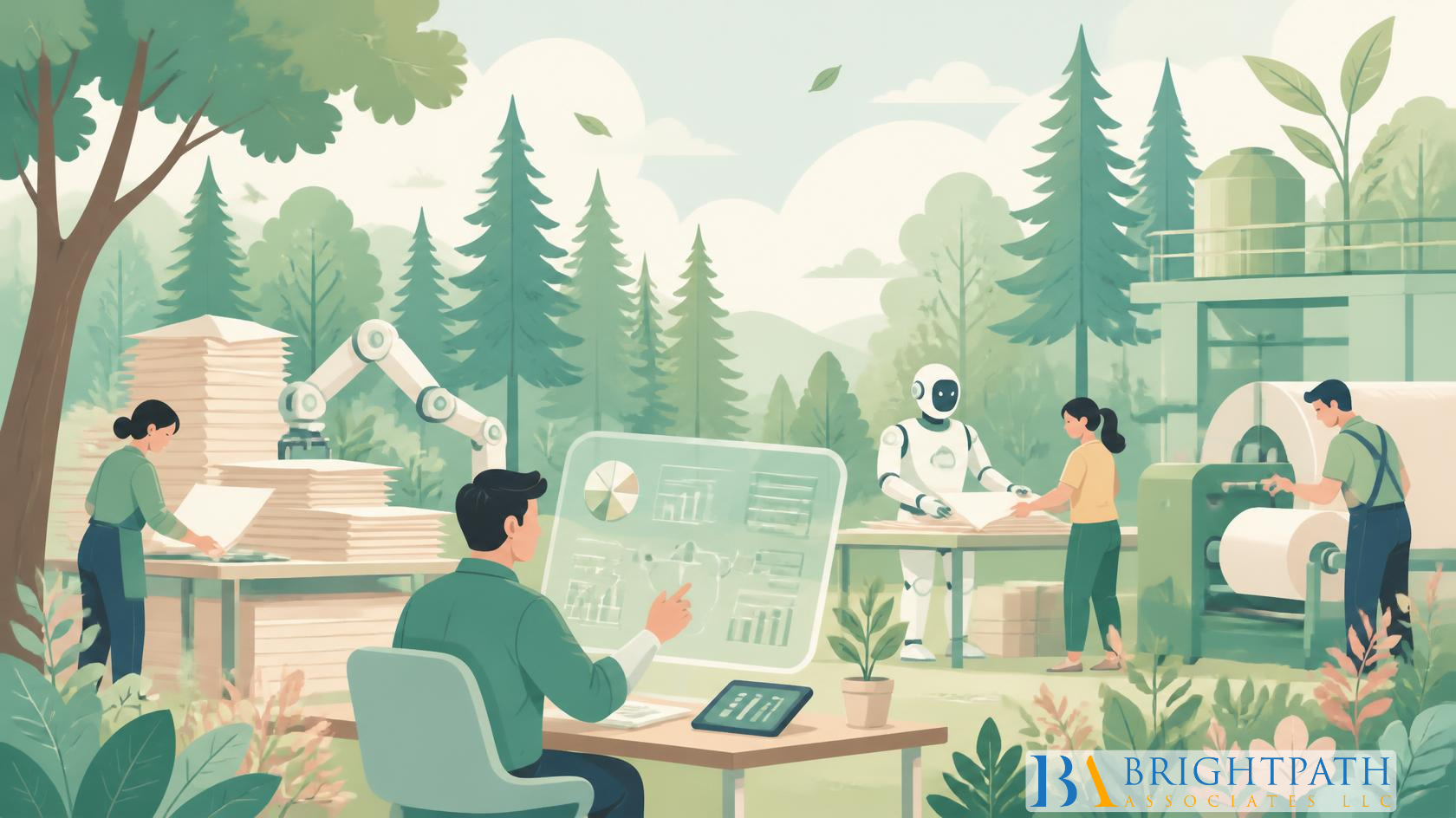
The paper and forest products industry is entering a new phase of industrial transformation. Automation, artificial intelligence, robotics, connected sensors, predictive analytics, and digital production systems are becoming increasingly important across manufacturing and forestry operations. Yet technology alone does not determine whether these investments deliver meaningful business results.
For small and mid-sized companies, this question can be especially important. They may not have the resources of large multinational manufacturers, but they still face pressure to improve productivity, manage labor challenges, control costs, strengthen sustainability, and modernize aging infrastructure.
Moving Beyond Traditional Automation
For decades, industrial automation primarily focused on making individual processes faster, safer, or more consistent. A machine could automate a repetitive task, while operators remained responsible for monitoring production and responding to problems.
A modern facility may use automated inspection systems, sensors, robotics, enterprise software, artificial intelligence, and predictive maintenance tools simultaneously. Each system can generate valuable information, but the information becomes truly useful only when someone can connect it to operational decisions.
Rather than concentrating exclusively on one machine, software platform, or department, this professional considers the broader operational ecosystem. They understand where automation can create value, where human judgment remains essential, and how employees should interact with increasingly intelligent equipment.
Why Paper and Forest Products Companies Need This Capability
The paper and forest products sector has a particularly complex operating environment. Production involves raw-material availability, equipment reliability, energy consumption, quality control, transportation, environmental considerations, workforce capabilities, and customer requirements.
For example, an automated inspection system may identify a quality variation. Sensors may indicate unusual equipment conditions at the same time. A predictive maintenance platform may flag a potential failure, while production scheduling software shows that stopping the line could affect customer commitments.
Technology can identify these signals, but someone still needs to determine what should happen next. It requires someone who understands manufacturing realities, financial considerations, employee capabilities, safety, quality, and customer expectations.
Companies exploring these challenges can learn more about the broader talent requirements across the Paper & Forest Products Industry, where modernization and specialized leadership are becoming increasingly important.
Connecting Technology With Business Economics
One of the biggest mistakes organizations can make with automation is treating technology adoption as an objective in itself. Buying robotics, implementing artificial intelligence, or installing advanced monitoring systems does not automatically improve profitability.
An automated system may improve production speed but require significant capital. Predictive maintenance may reduce downtime but require new data infrastructure. Robotics may increase consistency while changing staffing requirements. Digital systems may improve visibility while creating additional training needs.
The human-machine orchestrator helps connect these technology decisions to business objectives. Instead of asking simply, "Can we automate this process?". This approach can help smaller manufacturers make technology investments more deliberately.
Sustainability Adds Another Layer
Sustainability is also changing the leadership requirements of the industry. Paper and forest products companies increasingly need to consider material efficiency, waste reduction, energy use, emissions, responsible sourcing, recycling, and resource utilization. Digital technologies can provide better visibility into these areas.
Sensors can monitor energy consumption. Digital platforms can track material movement. Automated systems can identify waste. Analytics can reveal process inefficiencies. Someone has to interpret the information and connect it to operational decisions.
A human-machine orchestrator can help integrate sustainability objectives into everyday production rather than treating sustainability as a separate corporate initiative. This can create an important connection between environmental goals and commercial performance.
Preparing for the Next Generation of Industrial Work
The rise of the human-machine orchestrator reflects a broader change in industrial employment. The future manufacturing workforce will increasingly operate in environments where people, machines, software, artificial intelligence, and data are interconnected.
This means companies may need to rethink not only the technologies they purchase but also the leadership capabilities they recruit. For executives and business owners in the paper and forest products sector, this creates an opportunity to think differently about the next strategic hire.
That capability can become particularly valuable as companies modernize mills, introduce robotics, expand digital systems, improve sustainability programs, and respond to changing workforce requirements. For a deeper look at why this emerging position is becoming strategically important, explore BrightPath Associates' analysis, Why Your Next Hire Should Be Human-Machine Orchestrator.
The Question for Industry Leaders
Technology will continue to evolve. Today's automation tools may look very different from tomorrow's systems. Artificial intelligence will become more embedded in operational decision-making, while connected equipment and data platforms will continue expanding.
For small and mid-sized paper and forest products companies, answering that question may require more than another technology purchase. It may require a new type of leader who understands the factory floor, the workforce, the technology stack, and the economics of the business.
If your organization is preparing for automation, modernization, or digital transformation and needs specialized leadership talent, connect with BrightPath Associates LLC to discuss your next strategic hiring requirement.
