Why Site Classifications and Residential Soil Testing Matter Before Building in Melbourne
Author : The 4 Spheres | Published On : 01 Jul 2026
Building a new home, planning an extension, or developing a residential property starts long before construction begins. One of the most important steps is understanding the condition of the ground on which the structure will stand. This is where Site Classifications Melbourne and Residential Soil Testing Melbourne play a vital role.
At The 4 Spheres, professional geotechnical services help homeowners, builders, and developers make informed decisions by providing accurate soil investigations and site classifications. These assessments reduce construction risks, improve structural safety, and ensure compliance with Australian building standards.
What Is Residential Soil Testing?
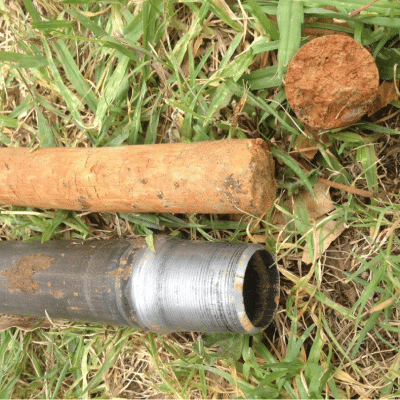
Residential Soil Testing Melbourne is the process of examining the soil beneath a property before construction starts. Geotechnical experts collect soil samples and analyse their physical and engineering properties to determine whether the ground is suitable for the proposed structure.
A soil investigation typically evaluates:
-
Soil composition
-
Moisture content
-
Bearing capacity
-
Soil reactivity
-
Ground stability
-
Depth of suitable founding material
Melbourne has a wide range of soil types, with many areas containing reactive clay soils. These soils expand when they absorb moisture and shrink during dry conditions. If this movement is not considered during the design stage, it can lead to foundation movement, wall cracks, uneven floors, and other structural problems.
Understanding Site Classifications
Once the soil testing has been completed, the results are used to determine the site's classification. Site Classifications Melbourne are generally assigned according to the Australian Standard AS 2870 for Residential Slabs and Footings.
The classification identifies how reactive the soil is and provides engineers with the information required to design suitable foundations.
Common site classifications include:
-
Class A – Non-reactive soil
-
Class S – Slightly reactive soil
-
Class M – Moderately reactive soil
-
Class H1 and H2 – Highly reactive soil
-
Class E – Extremely reactive soil
-
Class P – Problem sites requiring specialised engineering solutions
The correct classification helps engineers determine the appropriate slab design, footing depth, reinforcement requirements, and foundation system.
Why Soil Testing Is Essential in Melbourne
Ground conditions can vary significantly across Melbourne. Even neighbouring properties may have different soil profiles due to natural geological changes or previous land development.
Professional Residential Soil Testing Melbourne provides valuable information that supports safe and efficient construction. It helps identify:
-
The load-bearing capacity of the soil
-
Potential ground movement
-
Foundation requirements
-
Drainage considerations
-
Construction challenges before work begins
Without proper testing, builders may encounter unexpected ground conditions that increase costs and delay the project.
Benefits of Accurate Site Classifications
Obtaining accurate Site Classifications Melbourne offers several advantages throughout the construction process.
Prevent Structural Problems
Correct foundation design reduces the risk of cracking, settlement, and movement caused by reactive soils.
Meet Building Requirements
Many building approvals require a geotechnical report and site classification before construction can proceed.
Improve Cost Planning
Knowing the soil conditions early allows engineers and builders to prepare more accurate construction budgets and avoid unexpected foundation costs.
Support Long-Term Stability
Foundations designed specifically for the site's soil conditions provide better structural performance and durability over time.
When Should Residential Soil Testing Be Carried Out?
The best time to conduct Residential Soil Testing Melbourne is before engineering drawings and foundation designs are finalised.
Early testing ensures that soil conditions are considered during the design phase, reducing the need for costly changes later in the project.
Soil testing is recommended for:
-
New home construction
-
Home extensions
-
Knockdown and rebuild projects
-
Dual occupancy developments
-
Townhouse developments
-
Residential subdivisions
Regardless of the project's size, understanding the ground conditions before construction begins is always beneficial.
What Happens During a Soil Investigation?
A professional soil investigation generally follows several important steps.
First, geotechnical specialists visit the property to assess the site and identify suitable testing locations.
Next, boreholes are drilled or excavated to collect representative soil samples from different depths.
The collected samples are then tested to determine their engineering characteristics, including moisture content, density, and reactivity.
Based on these results, qualified professionals determine the appropriate site classification and prepare a comprehensive report containing recommendations for foundation design.
This report is provided to engineers, builders, and other project stakeholders to support safe and compliant construction.
Why Choose The 4 Spheres?
The 4 Spheres provides reliable geotechnical investigations for residential projects throughout Melbourne.
Their services include:
-
Professional residential soil testing
-
Accurate site classifications
-
Comprehensive geotechnical reporting
-
Compliance with Australian Standards
-
Timely project support for homeowners, builders, and engineers
By delivering accurate information at the beginning of a project, The 4 Spheres helps minimise construction risks and supports informed decision-making throughout the building process.
Final Thoughts
Every successful construction project starts with a strong foundation, and every strong foundation begins with understanding the ground beneath it. Investing in professional Residential Soil Testing Melbourne and obtaining accurate Site Classifications Melbourne allows builders and homeowners to design foundations that match the site's actual conditions.
Early geotechnical investigations help prevent structural issues, improve project planning, reduce unexpected costs, and ensure compliance with building standards.
Whether you are building a new home, planning an extension, or developing residential properties, professional soil testing and site classification provide the confidence needed to move forward with your project. With experienced services from The 4 Spheres, you can ensure your construction begins on solid ground and is built for long-term stability and performance.
