Why Should You Choose Healthy Living Brands for Your Everyday Wellness Routine?
Author : James Luther | Published On : 23 Oct 2026

Looking after your health sounds easy until Thursday arrives. Work runs late. Sleep gets pushed back again. Dinner is whatever’s in the fridge, and that twinge in your knee or shoulder, the one you assumed would vanish by now, is still there. Most people don’t need yet another complicated plan. They need small, practical things that fit around a busy week, and this is where healthy living brands can actually help. They give you products for everyday self-care and comfort without turning wellness into a second job.
At Grimmster Industries, the thinking is pretty plain. Make informed choices, pick what suits you. There’s no single product that fixes everything, and if someone claims there is, ask a few questions. Good habits come from showing up regularly. Balanced meals, moving around, enough water, proper rest, and personal care products that suit you all pull their weight. And sometimes one tiny change does more than a big overhaul you abandon by Friday.
Try to look past shiny packaging and loud promises too. Check the ingredients. Work out what the product is meant for, and ask yourself whether you actually need it. Do that and your routine stays manageable, rather than expensive or exhausting.
What Should You Look for When Choosing Wellness Products?
Not every product suits every person. What works brilliantly for your neighbour might do nothing for you, and that’s normal. So before you buy, decide what you want it to do. Support for your daily personal care? Something topical for the odd bit of muscle discomfort? Help staying consistent with your general goals? Knowing the reason makes the choice a lot easier.
Good brands explain things in language you can follow. You shouldn’t need to decode marketing speak. Look for a clear ingredient list, directions for use, proper warnings, and a straight explanation of what the product is for. If the details are vague, slow down before buying. You’re putting this on your skin or into your routine, so knowing what it is matters.
Price counts, sure, but the cheapest one isn’t automatically the best value. Think about how much you get, how often you’d need to use it, and whether it suits your situation. You don’t need a cupboard stuffed with products. A few well chosen items plus sensible habits usually go further.
Why Is Ingredient Awareness Important for Everyday Wellness?
Ingredients don’t get the attention they deserve. People buy because of a familiar name, a nice label, or something they saw online. Reading what’s actually inside, and what it’s meant to do, is a much better place to start. That matters even more with topical products, personal care items, or anything that might clash with a treatment you’re already using.
Take someone shopping for a joint pain relief cream. They should check the active ingredients, not just go by the name on the tube. Creams differ. Some contain topical pain-relieving medicines, some contain counterirritants, others use different compounds for particular purposes. The effects, directions and possible side effects can all vary.
So read the label, and follow it. Using more doesn’t mean better results. Some topical ingredients can irritate skin, and certain products shouldn’t go on broken skin or be used with heating pads unless the label says it’s fine. If you have allergies, sensitive skin or an existing medical condition, ask a pharmacist or healthcare professional before trying something new.
None of this means being suspicious of everything on the shelf. You’re just making sure you know what you’re buying and using it sensibly. That habit alone can save you from pointless purchases.
Can Joint Pain Relief Cream Be Part of a Wellness Routine?
Sore joints make ordinary stuff annoying. Getting out of bed, taking the stairs, walking round the shops, sitting at a desk for hours, all of it can get uncomfortable when a joint is playing up. Of course people look for something convenient. For some kinds of discomfort, a suitable joint pain relief cream may give temporary relief when used as directed.
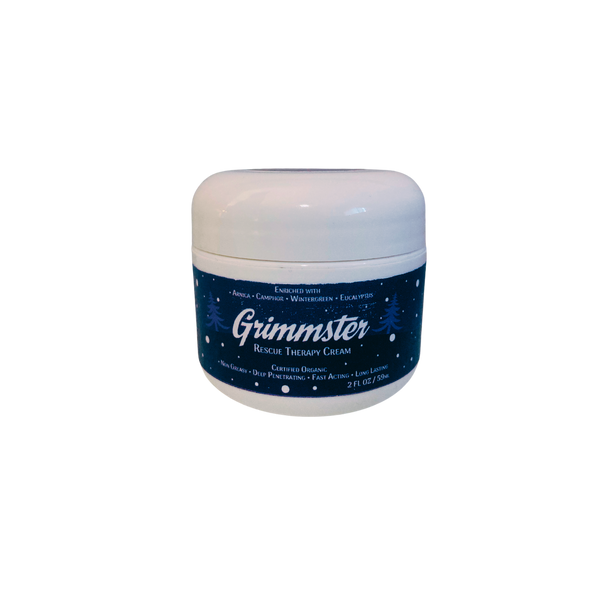
But the cause matters. Joint pain can come from exercise, overuse, arthritis, an injury, inflammation, or other health conditions. A topical product might help with certain symptoms without touching the underlying problem. So before choosing a cream, understand its ingredients, what it’s intended for, and where its limits are.
It also helps to zoom out. Depending on the cause, gentle movement, suitable strengthening exercises, comfortable footwear and adjusting what you do day to day may support the joint. Rest can be useful after you’ve overdone it, though avoiding movement completely for long stretches isn’t always the answer. A physiotherapist or healthcare professional can tell you what fits your situation.
If the pain is severe, won’t go away, keeps getting worse, or gets in the way of daily life, get medical advice rather than leaning on a cream. Sudden severe pain, a hot or clearly swollen joint, or joint pain with a fever needs prompt medical assessment. The aim is a sensible fix. Masking a symptom and hoping it disappears isn’t one.
How Do Brands Encourage Better Self-Care Habits?
Here’s where wellness often goes wrong. People treat it like an all-or-nothing project. New diet, daily workouts, a bunch of new products, whole schedule rearranged. It lasts a few days. Then real life barges in, the whole thing feels like too much, and it collapses.
Starting small works better. A short walk. Keeping water at your desk. Prepping a few balanced meals ahead of time. A regular bedtime. If a suitable product makes your routine easier to stick to, great, it can be one piece of the picture. It supports your habits and doesn’t replace them.
Brands can be useful here when they stick to clear information and practical choices. You can compare options, learn how things are meant to be used, and decide what makes sense for your life. You don’t have to buy every new item that pops up on social media. Honestly, learning to ignore the hype is a wellness skill all by itself.
Grimmster Industries values that more considered approach. Realistic, informed, sustainable choices. A good routine is one you can keep up on an ordinary Tuesday, when you’re busy and tired and not feeling remotely motivated. That’s when healthy habits count.
Why Does Product Transparency Matter When Buying Wellness Products?
Trust matters when you’re buying something for personal care. You should be able to see what a product contains, what it’s designed for and how to use it. Clear instructions aren’t a bonus. They help you make safer decisions and avoid using something in a way it was never meant for.
When you compare companies, look at the quality of their information. Are ingredients listed? Are warnings easy to find? Does the description explain the purpose without unrealistic promises? Be wary of any claim that one cream, supplement or wellness item cures several unrelated conditions.
Worth remembering too: “natural” doesn’t automatically mean safe, and a higher price doesn’t guarantee better quality. Ingredients from natural sources can still cause irritation or allergic reactions. And a product sold for general wellness shouldn’t be assumed to have proven benefits for every claim in its advertising.
You can protect yourself by checking labels, following the recommended use, and asking when something’s unclear. If a product has medicinal ingredients, read the directions and precautions. Where needed, speak to a qualified healthcare professional. It sounds basic, but it saves a lot of confusion later.
How Can You Build a Wellness Routine That Actually Lasts?
A lasting routine doesn’t need to be complicated. Start by spotting what needs attention in your day. Maybe you sit too much, skip meals when work gets busy, or keep putting off the self-care you know would help. Pick one or two changes that feel doable instead of fixing everything at once.
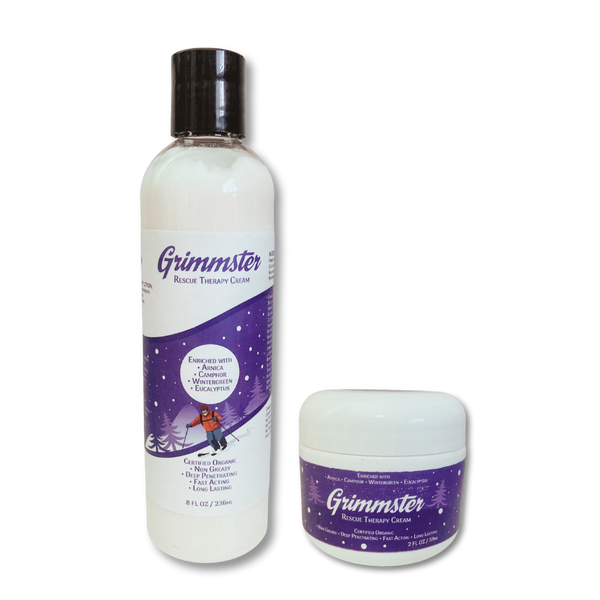
Then be choosy about products. Thinking about a joint pain relief cream? Understand what type of discomfort it’s meant for and check the ingredients suit you. Same rule for anything else you try: read the label, understand the purpose, and don’t expect a product to do the job of healthy habits.
Notice how the routine feels over time. A product that irritates your skin or doesn’t suit you doesn’t earn a permanent spot in the cabinet just because you paid for it. And if an exercise routine leaves you with ongoing pain, it probably needs adjusting. Wellness doesn’t mean forcing yourself through something that isn’t working. You’re learning what supports you and tweaking as you go.
Healthy living brands can help by giving you options and information, but the final call should rest on your own needs, realistic expectations and, when it’s appropriate, professional guidance. Keep it simple. Get consistent first, then adjust as things change.
Frequently Asked Questions About Healthy Living Brands
What do these brands actually sell?
They offer products linked to personal care, wellness and everyday self-care. Depending on the company, that might include topical products and other wellness items. Check ingredients, intended use and product information before choosing anything.
How do I choose the right wellness products?
Work out what you need first, then check the ingredients, instructions, warnings and intended purpose. Compare a few options, steer clear of exaggerated health claims, and ask a pharmacist or healthcare professional if you’re unsure about suitability or interactions.
Does joint pain relief cream work for everyone?
No. It depends on the active ingredients, the cause of the discomfort and the person using it. Some topical products may give temporary relief for certain types of pain, but they don’t treat every cause of joint trouble. If symptoms hang around or get worse, have them assessed by a healthcare professional.
Can wellness products replace healthy lifestyle habits?
No. A product may support one part of your self-care routine, but it can’t stand in for balanced eating, regular activity, enough sleep or proper medical care. Sensible product choices combined with everyday habits is what works.
How often should I use a joint pain relief cream?
Follow the label. It will state how often to apply, how much to use, any precautions and the maximum length of use. Different ingredients have different instructions. Don’t apply more often than recommended, and speak to a healthcare professional if the discomfort continues.
Why should I check ingredients before buying wellness products?
It tells you what the product is for and flags anything that might cause irritation, allergies or interactions. You also get to compare products on real information instead of marketing claims.
Conclusion: Make Informed Choices for Everyday Wellness
You don’t need the most products or every new trend. You need to understand what you need, read the labels, and pick things that have a clear job in your routine. Small, sensible decisions usually beat chasing quick fixes.
If you deal with occasional discomfort, a suitable joint pain relief cream may be one option, as long as the ingredients and directions match your situation. It shouldn’t replace medical advice when symptoms are persistent, severe or unexplained. Same goes for wellness products generally. Use them thoughtfully and keep your expectations realistic.
Grimmster Industries encourages that informed approach, where product choices sit alongside consistent self-care. Eat well, stay active in ways that suit your body, get enough rest, and take a minute to understand what you’re using. You don’t need a perfect routine. You need one that fits your life, one you’ll come back to day after day.
