Why Open Spaces and Green Living Are Becoming Essential in Cities
Author : john Austin austin | Published On : 06 May 2026
City living has evolved significantly over the years. With rising population density, expanding infrastructure, and faster-paced lifestyles, homebuyers are placing greater importance on open spaces and green living in residential projects. The focus is shifting towards environments that support comfort, balance, and better everyday well-being rather than purely built-up development.
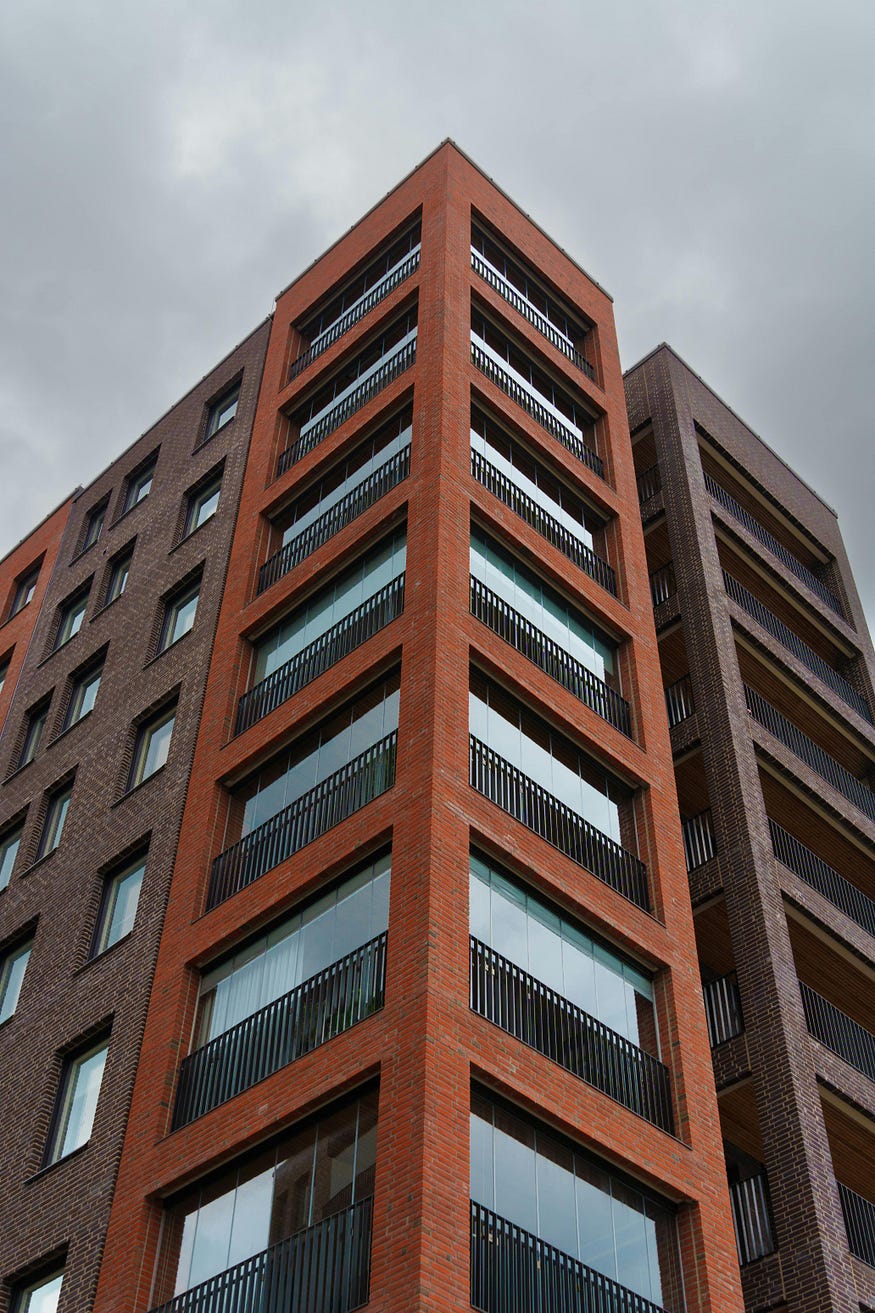
Open areas, tree-lined surroundings, and planned green zones are now seen as important parts of residential design because they directly influence how people experience daily life in urban settings.
Urban Density and the Need for Open Environments
In cities such as Mumbai, Delhi, and Bangalore, rapid development has led to limited access to natural surroundings. High-rise clusters and continuous construction often create visually dense environments. In such conditions, open spaces within residential communities provide much-needed relief.
Green areas help reduce the feeling of congestion and create a calmer atmosphere. Even small landscaped pockets or internal courtyards can change how a residential space feels, making it more open and breathable.
Health and Everyday Lifestyle Benefits
Open spaces play a direct role in supporting healthier living. Access to outdoor areas encourages walking, light physical activity, and time spent away from enclosed indoor spaces. Natural surroundings also help reduce stress and improve mental well-being, which is increasingly important in fast-paced urban life.
For families, these spaces add everyday convenience. Children can play safely within the community, and elderly residents can spend time outdoors without needing to travel far. This ease of access supports a more active and balanced lifestyle.
Community Living and Social Connection
Green spaces also influence how residents interact with each other. Shared outdoor areas naturally encourage people to step outside their homes, which increases casual interaction within the community.
Walking paths, seating zones, and open lawns often become regular meeting points. Over time, these spaces help build familiarity among residents and foster a stronger sense of community.
How Green Planning Is Becoming Part of Design Strategy
Developers are now integrating green spaces into the core structure of residential projects rather than treating them as separate elements. These spaces are designed to support natural light, airflow, and a more balanced spatial layout within the community.
Shapoorji Pallonji Real Estate has followed this approach across multiple developments, focusing on how natural elements can improve daily living conditions. The intent is to create residential environments where open spaces and built structures work together to support everyday use.
Example Across Urban Markets
This approach can be seen across several cities. In Bangalore, developments like Parkwest by Shapoorji Pallonji include planned green areas and open zones that help balance dense urban surroundings. In Mumbai, residential projects often focus on terrace gardens and internal courtyards to create breathing space within high-density layouts. In Pune, newer developments are incorporating larger internal open areas to improve liveability and reduce congestion within housing clusters.
Across these cities, the goal remains similar: creating residential spaces that feel more open and comfortable despite urban density.
Within this context, Parkwest reflects how green planning is integrated into a city-based residential project. The layout includes landscaped areas and structured open spaces that support everyday living while maintaining balance within a dense urban environment.
Long-Term Value of Green Living
Homes within green environments tend to hold stronger appeal over time. As awareness around health, environmental quality, and lifestyle comfort increases, buyers are placing greater value on residential projects that include natural surroundings.
Green spaces also improve perceived openness, reduce visual stress, and enhance overall comfort. These factors contribute to stronger long-term satisfaction and sustained interest in such developments.
Open spaces and green living have become an important requirement in urban residential planning. They support better health, improve daily comfort, and encourage stronger community interaction within cities.
