Why Is Maine Seafood So Popular? What Makes It Different?
Author : Old Port Sea Grill | Published On : 01 Sep 2026
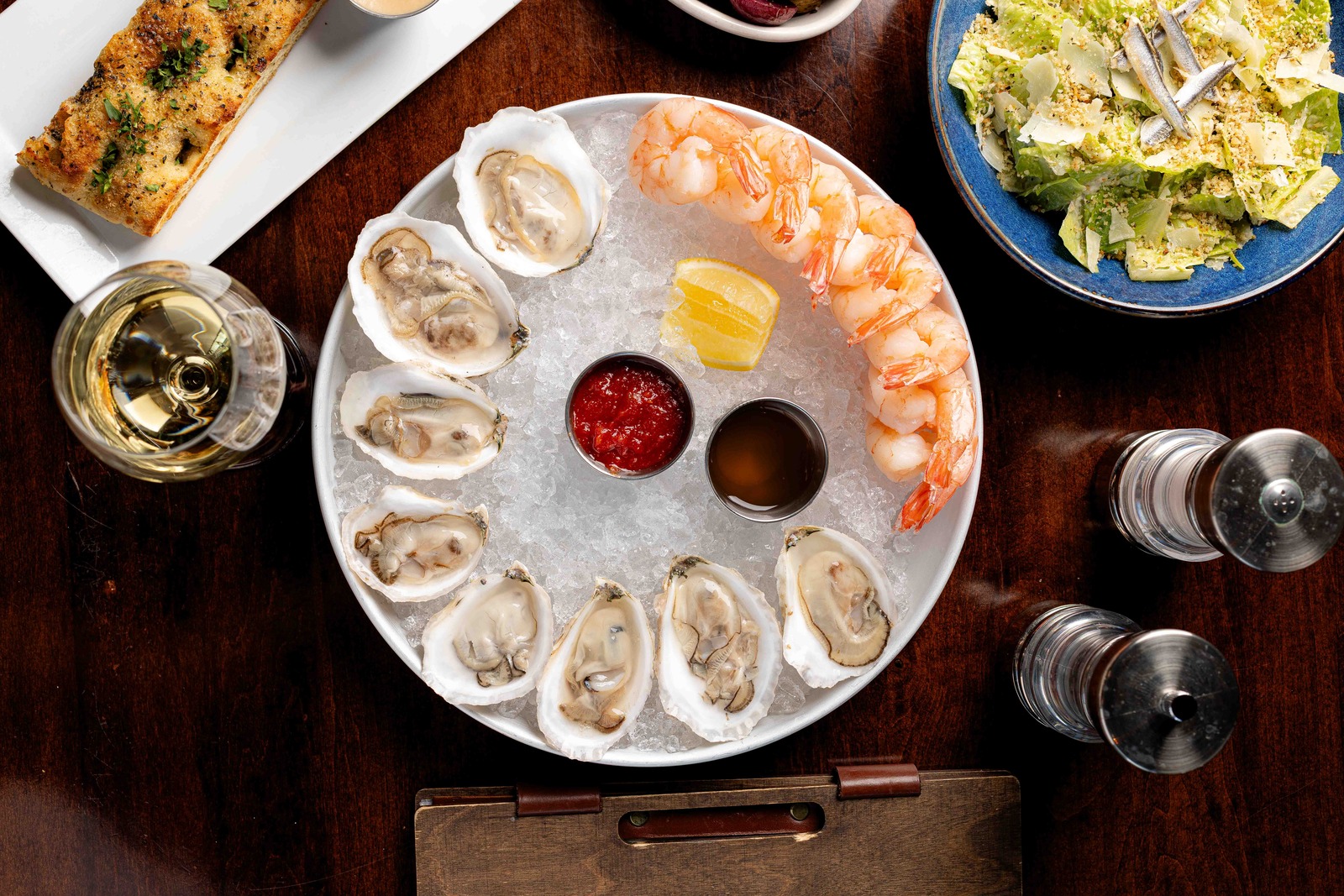
When people think about Maine, lobster is often one of the first things that comes to mind. But Maine seafood is about much more than lobster.
The state has a long coastline, cold coastal waters, fishing communities, oyster farms, and a food culture that has grown around the ocean. From lobster and oysters to scallops, clams, mussels, and fish, seafood plays an important role in both everyday life and tourism in Maine.
But what makes Maine seafood so popular? Is it just because of lobster, or is there something else that makes seafood from this region special?
The answer comes down to a combination of geography, tradition, local fisheries, aquaculture, and the way seafood is connected to Maine's coastal communities.
What Makes Maine a Good Place for Seafood?
Maine has a long and rocky coastline with many bays, islands, rivers, and coastal communities. These waters support a wide range of marine life.
The Gulf of Maine is also known for its cold water environment. This creates conditions that support many species that are important to Maine's seafood industry.
The state's marine economy includes wild fisheries as well as aquaculture. Oysters, mussels, fish, seaweed, clams, and other products are raised or harvested along the coast.
This variety means Maine's seafood culture is not built around just one ingredient.
Why Is Maine Lobster So Famous?
Lobster has become one of the strongest symbols of Maine.
The history of lobster in the state goes back centuries. Over time, lobster fishing developed from a small coastal activity into one of Maine's most important commercial fisheries.
Maine's lobster industry also has a strong connection to local communities. Generations of fishermen have built their livelihoods around the coastal waters, and lobster remains an important part of Maine's economy and food culture.
The Maine lobster fishery is also carefully managed. Regulations include measures designed to protect lobster populations, including rules concerning size and the protection of egg bearing females.
This combination of history, local tradition, and careful management has helped make Maine lobster recognized far beyond the state.
Why Do Maine Oysters Taste Different?
Oysters are another important part of Maine's seafood culture.
One interesting thing about oysters is that their flavor can vary depending on where they are grown. The water, growing environment, and conditions around an oyster farm can influence its taste.
Maine's Department of Marine Resources notes that Maine oysters are increasingly valued for their clean, briny, and sweet flavor, which is connected to the cold and nutrient rich waters along the coast.
That is why people who enjoy oysters often like to try different varieties rather than treating every oyster as the same.
You may notice differences in saltiness, sweetness, texture, and finish. These small differences make trying local oysters part of the fun of eating seafood in Maine.
Is Maine Seafood Only About Lobster and Oysters?
No. Lobster and oysters may receive the most attention, but Maine's seafood industry is much broader.
Maine also has fisheries and aquaculture connected to scallops, clams, mussels, fish, and other marine species. The state's Department of Economic and Community Development describes aquaculture as an important part of Maine's seafood industry alongside traditional fishing and lobstering.
Scallops, for example, are an important commercial species in Maine. In 2025, Maine scallops generated more than $9 million in value, according to the Maine Department of Marine Resources.
This variety gives diners many different ways to experience Maine seafood.
How Does Maine's Fishing Tradition Affect Its Food?
Food traditions often develop from what is available locally.
For generations, Maine's coastal communities have depended on the ocean for food and work. Fishing and lobstering became an important part of coastal life, and seafood naturally became part of the local diet.
That history can still be seen today.
Lobster rolls, clam chowder, steamed lobster, oysters, fried seafood, and other coastal dishes are now strongly associated with Maine.
Some dishes are simple by design. Instead of adding many ingredients, they allow the seafood itself to remain the main part of the meal.
Does Freshness Matter With Seafood?
Yes, but freshness is not simply about how close a restaurant is to the ocean.
Good seafood handling, proper storage, transportation, and sourcing all matter. Restaurants and seafood suppliers need to follow food safety practices to keep seafood in good condition.
This is especially important with shellfish.
Maine's Department of Marine Resources monitors shellfish growing areas and evaluates water quality because oysters, clams, mussels, and other shellfish are filter feeders.
For diners, this is one reason it is important to choose reputable restaurants and seafood sellers that follow proper handling and food safety practices.
Why Is Maine Seafood Important to the Local Economy?
Seafood is not just a popular food in Maine. It is also an important part of the state's economy.
Commercial fishing, lobster harvesting, aquaculture, seafood processing, transportation, restaurants, and related businesses all contribute to the broader marine economy.
Recent figures from the Maine Department of Marine Resources show how valuable the state's fisheries continue to be. Maine's commercial fisheries had a combined value of more than $600 million in 2025.
Lobster remains a major part of that industry, but other fisheries and aquaculture products are also becoming increasingly important.
When Is the Best Time to Eat Maine Seafood?
There is no single season when all Maine seafood is at its best.
Different species have different harvesting patterns, and seafood availability can change throughout the year.
This is one reason seasonal menus are common at seafood restaurants. A restaurant may change its offerings based on what is available from local fishermen, aquaculture producers, and seafood suppliers.
If you are visiting Maine and want to try something local, asking what is fresh or in season can be a better approach than choosing a dish simply because it is famous.
What Should You Try If You Are New to Maine Seafood?
If you have never tried Maine seafood before, start with something that matches your comfort level.
A lobster roll is a familiar choice for someone who wants to try Maine lobster without ordering a whole lobster.
Oysters are worth trying if you enjoy fresh and lighter seafood. You can start with a small serving and compare different varieties.
Scallops are a good option if you prefer cooked seafood with a naturally sweet flavor.
Clam chowder is another approachable choice, especially if you want something warm and comforting.
There is no need to try everything in one meal. Exploring different dishes over several meals can give you a better idea of what you actually enjoy.
Why Has Maine Seafood Become Popular Outside Maine?
Maine seafood has become strongly associated with the identity of the state.
Lobster rolls, in particular, have become popular across the United States. Maine oysters are also gaining attention as more people become interested in regional oyster varieties and farmed seafood.
Tourism has played a role as well. People visit Maine, try local seafood, and take that experience home with them.
Social media and food culture have also helped make dishes such as lobster rolls and raw oysters more visible to people who have never visited the Maine coast.
Still, the popularity of Maine seafood is not based only on marketing. It comes from a long connection between the state, its coastal waters, and the people who work with seafood.
Final Thoughts
Maine seafood is popular for more than one reason.
Its cold coastal waters support a variety of marine species. The state has a long history of fishing and lobstering. Oyster farming and other forms of aquaculture have become important parts of the seafood industry. At the same time, seafood remains closely connected to Maine's coastal communities and food traditions.
Lobster may be the most famous example, but Maine seafood is much more diverse than lobster alone.
The next time you are exploring Maine's food scene, consider looking beyond the most familiar dishes. Try a local oyster, taste fresh scallops, order a bowl of clam chowder, or ask what seafood is currently in season.
That is often the best way to understand why Maine seafood has become such an important part of the state's identity.
Frequently Asked Questions
Why is Maine seafood so famous?
Maine is famous for seafood because of its long coastline, cold coastal waters, strong fishing traditions, and important lobster and aquaculture industries. Lobster and oysters are especially well known, but Maine produces many other seafood products as well.
What seafood is Maine best known for?
Maine is best known for lobster, especially Maine lobster rolls and whole lobster. The state is also known for oysters, clams, scallops, mussels, and other seafood.
Why does Maine lobster taste different?
The flavor of lobster can be influenced by its environment, diet, size, and preparation. Maine's cold coastal waters provide an environment where American lobster thrives.
Why are Maine oysters popular?
Maine oysters are popular because different coastal growing areas can produce oysters with different flavors and textures. Maine's cold and nutrient rich coastal waters are also associated with the clean, briny, and sometimes sweet flavor of its oysters.
Is Maine seafood available all year?
Many types of Maine seafood are available throughout the year, but availability can vary by species, season, harvest, and market conditions. Restaurants may change their menus based on what is available.
What should a first time visitor try in Maine?
A lobster roll is an easy introduction to Maine seafood. Visitors who want to explore further can try Maine oysters, scallops, clam chowder, or other locally sourced seafood.
Is Maine seafood sustainable?
Sustainability depends on the specific species, fishery, harvesting method, and management practices. Maine has regulations and management programs for its commercial fisheries, including lobster and shellfish. It is best to ask restaurants or seafood sellers about their current sourcing practices if sustainability is an important factor for you.
Why is seafood important to Maine's economy?
Fishing, lobstering, aquaculture, seafood processing, and related businesses contribute significantly to Maine's coastal economy. The state's commercial fisheries had a combined value of more than $600 million in 2025.
