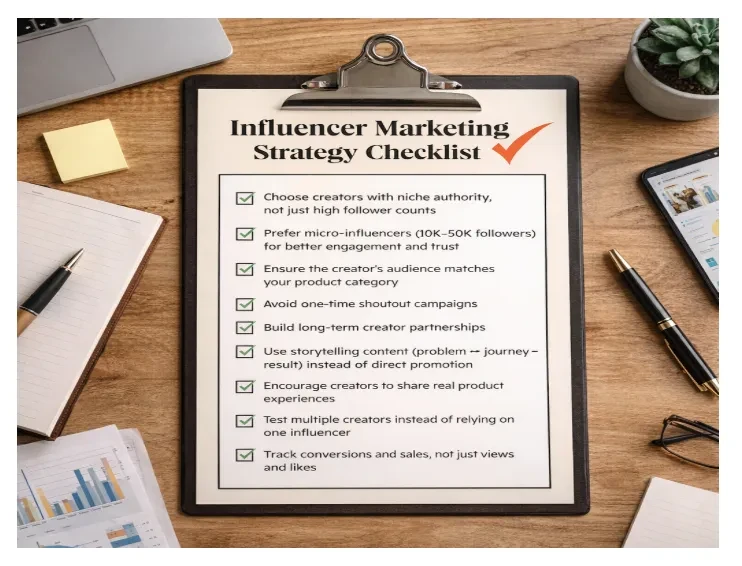
Why Influencer Marketing Fails for D2C Brands.
Author : radhiya arora | Published On : 20 Apr 2026
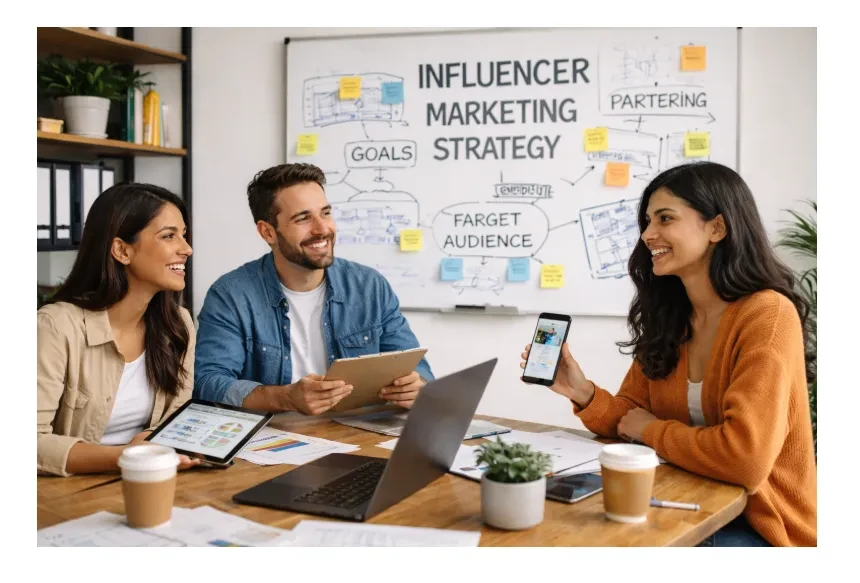
Influencer marketing fails for many D2C brands because campaigns focus on reach instead of trust. Paying influencers for one-time promotions without storytelling, audience alignment, or long-term strategy leads to low conversions. To make influencer marketing work, brands must focus on niche creators, authentic content, and consistent partnerships — which clearly explains why influencer marketing fails.
Why Influencer Marketing Doesn’t Work for Many Brands
At Eventum Marketing, we often see the same situation.
A brand collaborates with an influencer:
Strong following
Good engagement
High expectations
They spend ₹30,000–₹50,000 on a Reel.
The post goes live.
And results?
Views come
Likes come
But sales don’t
This is when brands start thinking why influencer marketing doesn’t work, especially in influencer marketing for D2C brands.
The Real Problem with Influencer Campaigns
Most campaigns follow a basic structure:
Product placement
Quick Reel
Discount code
And that’s it.
The problem is:
Audiences can instantly detect ads
When content feels promotional:
Trust drops
Engagement drops
Conversions drop
Common mistakes brands make:
One-time shoutouts
No storytelling
Poor audience-product fit
Scripted content
Result: Low trust, low ROI
Micro vs Macro Influencers: Which is Better?
This is one of the most common questions:
micro vs macro influencers which is better
Micro Influencers (10k–50k followers)
Strong connection with audience
Higher trust
Better engagement
More relatable
Macro Influencers (500k+ followers)
Massive reach
High visibility
Fast awareness
The truth:
Micro = conversions
Macro = awareness
Best strategy = combine both
How to Do Influencer Marketing for D2C Brands
The biggest mistake brands make is expecting results from one post.
One post = no trust
Real strategy:
Build a Story
Problem → creator shares real issue
Journey → tries solutions
Result → shows outcome
This builds belief and is part of a strong influencer campaign strategy.
Best Influencer Strategy for Startups
Instead of spending on one big influencer:
Work with multiple niche creators
Benefits:
Lower cost
Better targeting
More authentic content
Higher engagement
Test → optimize → scale
How to Increase ROI from Influencer Marketing
To improve results:
Choose creators in your niche
Build long-term partnerships
Let creators speak naturally
Repurpose content into ads
Track conversions (not likes)
Authentic content always performs better
The Future of Influencer Marketing
The industry is shifting.
Brands are moving from:
Buying posts
To:
Building creator ecosystems
Creators now act as:
Brand storytellers
Product testers
Community voices
Long-term partners
FAQ
1. Why does influencer marketing fail?
Because brands focus on reach instead of trust and use one-time promotional content.
2. Is influencer marketing still effective?
Yes, when done with the right strategy, storytelling, and audience alignment.
3. Are micro influencers better than macro influencers?
Micro influencers are better for conversions, while macro influencers are better for reach.
4. How to improve influencer marketing ROI?
Work with niche creators, build long-term relationships, and track real conversions.
5. What is the best influencer strategy for D2C brands?
Use multiple creators, focus on storytelling, and build trust over time.
Conclusion
Influencer marketing does not fail — poor strategy does Brands that focus on reach alone struggle. Brands that focus on trust win The real growth comes from:
authentic content
niche creators
long-term partnerships