Why Gas Detector Calibration Is Important in Mining Operations
Author : Ncqc laboratory | Published On : 25 Sep 2026
Mining operations involve challenging working environments where accurate monitoring of atmospheric conditions is essential. Gas detectors are used to detect and measure hazardous gases in underground mines, processing areas, workshops, and other mining facilities. However, sensor performance can change over time because of dust, humidity, temperature variations, vibration, contamination, and prolonged use. This makes gas detector calibration in mining operations an important part of effective instrument management.
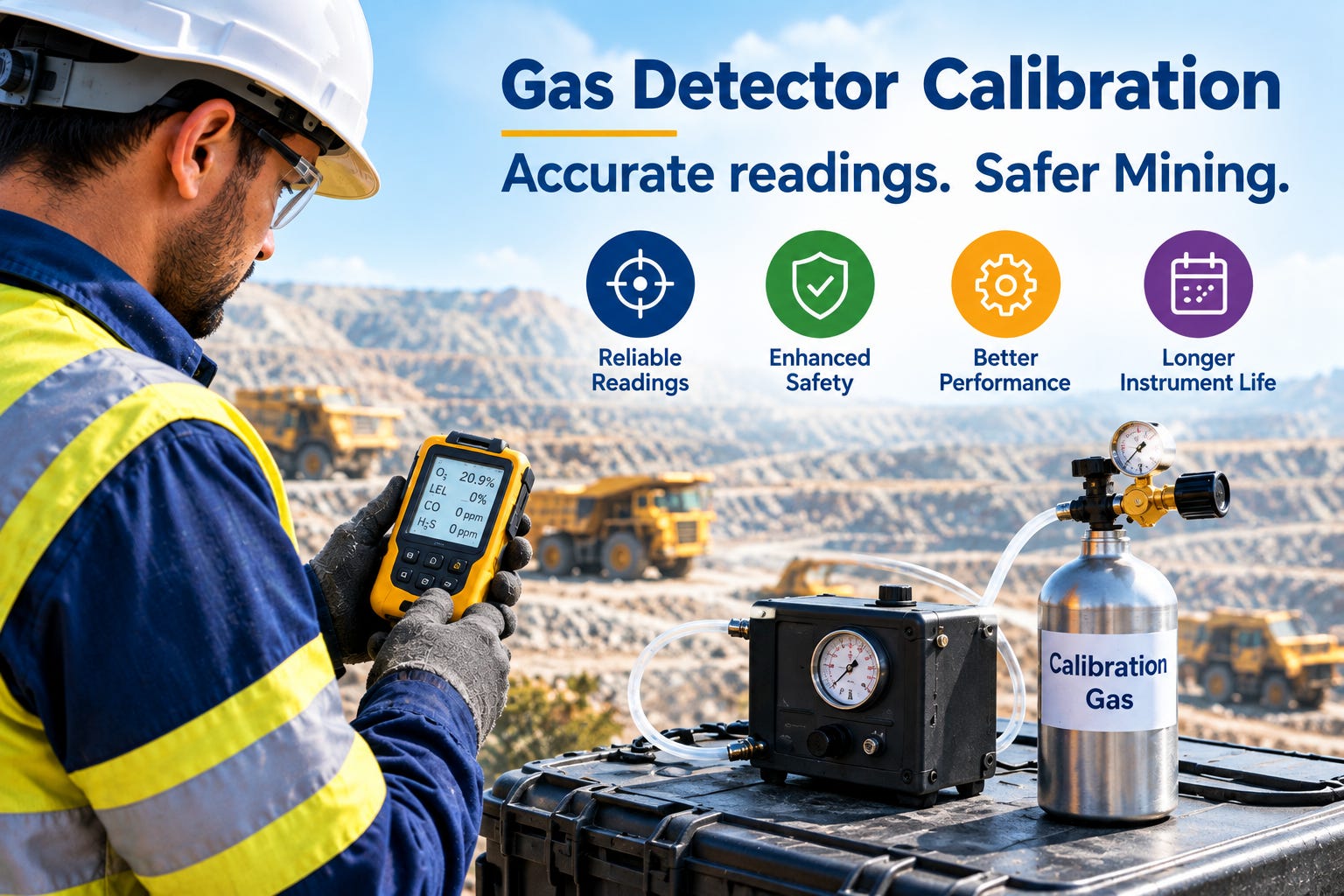
What Is Gas Detector Calibration?
Gas detector calibration is the process of checking a detector’s response against a known gas concentration or suitable reference standard and, where required, making adjustments to bring its response within specified requirements.
Calibration is different from a bump or functional test. A functional test generally checks whether a detector responds when exposed to a gas stimulus, whereas calibration evaluates the instrument’s measurement response against a known reference.
Why Is Gas Detector Calibration Important in Mining?
Mining environments can expose gas detection instruments to harsh operating conditions. Dust, humidity, temperature changes, vibration, contamination, and continuous operation may affect sensor performance and measurement accuracy.
Regular mining gas detector calibration helps identify changes in detector response and provides greater confidence in instrument readings. A documented calibration program can also help organizations maintain measurement traceability and monitor instrument performance over multiple calibration cycles.
This is particularly relevant when detectors are used across underground workings, surface facilities, workshops, processing plants, and other areas where atmospheric monitoring is required.
How Is Gas Detector Calibration Performed?
A typical calibration process involves checking the gas detector against a suitable known reference gas concentration under specified conditions. Depending on the instrument and manufacturer’s instructions, the process may involve connecting the detector to the appropriate calibration gas, allowing the sensor to respond, checking the displayed reading, and making adjustments when necessary.
After calibration, relevant information such as instrument identification, calibration date, reference gas details, and calibration results may be documented. The exact procedure should follow the manufacturer’s instructions and the applicable laboratory calibration procedure.
Factors That Affect Gas Detector Accuracy
Several factors can influence the performance of gas detection equipment:
-
Sensor drift: Sensor characteristics can gradually change with time and usage.
-
Environmental conditions: Temperature, humidity, dust, and other conditions may affect sensor response.
-
Contamination: Exposure to certain substances can influence sensor performance.
-
Instrument age: Aging components and prolonged use may affect measurement reliability.
-
Maintenance and handling: Repairs, sensor replacement, physical damage, or improper handling can influence detector readings.
These factors make periodic calibration and appropriate instrument maintenance important for reliable measurements.
When Should Gas Detectors Be Calibrated?
The appropriate gas detector calibration frequency depends on the detector type, manufacturer’s recommendations, operating environment, frequency of use, previous calibration results, and applicable requirements.
Additional calibration or performance verification may be appropriate after sensor replacement, maintenance, significant exposure, suspected damage, or when readings appear questionable. Organizations should establish calibration intervals based on their specific instruments and operating conditions rather than applying one interval to every detector.
Conclusion
Gas detector calibration plays an important role in managing measurement reliability in mining operations. Regular calibration can help identify sensor drift and performance changes associated with environmental exposure, repeated use, contamination, or aging.
By following appropriate calibration procedures and maintaining documented records, mining organizations can better manage their gas detection instruments and maintain confidence in their measurement results.
Need Gas Detector Calibration? Ensure reliable readings with gas detector calibration services from NCQC Laboratory. Contact us to discuss your requirements.
