Why Experienced Drummers Pay Attention to the Smallest Percussion Parts
Author : Tope Band Supply Co | Published On : 28 Sep 2026
Introduction
A drum kit can look impressive from a distance—large shells, polished cymbals, sturdy stands, and a setup built for performance. But experienced drummers know that the real difference often comes from components that are barely noticed during a performance. A small washer, screw, tension rod, or mounting component can influence how securely a drum stays assembled, how consistently it tunes, and how confidently a player performs.
This is why understanding percussion parts goes far beyond simply replacing something after it breaks. For serious players, technicians, educators, and repair shops, these small components are part of maintaining a reliable instrument. The right replacement can help solve an annoying tuning issue, stabilize a drum, restore a damaged mounting point, or keep a frequently used setup ready for the next rehearsal or performance.
The challenge is knowing which component is actually responsible for the problem. Instead of replacing an entire drum or randomly changing multiple pieces, a more practical approach is to identify the specific hardware that needs attention.
When a Small Part Creates a Big Problem
Imagine arriving at rehearsal and noticing that one tom does not feel quite right. The drum is assembled, the head looks fine, and the tuning seems close to where you normally keep it. Yet every time you play, the drum gradually feels less stable.
It would be easy to assume that the drumhead needs replacing or that the entire mounting system has a problem. However, the issue could be much smaller. A worn washer, loose mounting component, damaged screw, or improperly sized tension hardware can affect how the drum behaves.
This situation becomes even more frustrating during live performances. Drummers do not have unlimited time to troubleshoot equipment between songs. A component that costs very little can become a major concern when it prevents the instrument from staying secure.
Experienced players therefore develop a habit: check the small hardware before assuming the entire instrument has a major problem.
Start With the Hardware That Controls Tension
Tuning stability is one of the first areas where small components can make a noticeable difference. Tension hardware needs to fit correctly and work together as a system. If one component is worn, incorrectly sized, or missing, the player may spend more time correcting the drum than actually playing it.
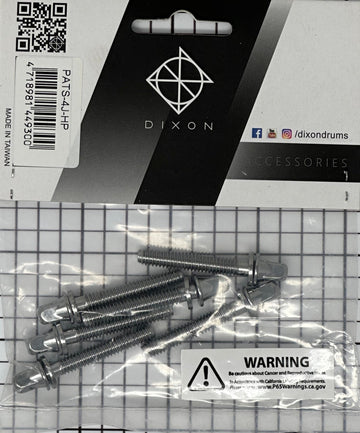
For example, when replacing or maintaining tuning hardware, players may need to consider drum tension rods washers choose your size based on the particular drum and hardware configuration. The important point is not simply choosing a replacement that looks similar. Measurements, compatibility, thread specifications, and the existing drum design should all be considered before ordering.
This approach can prevent a common mistake: purchasing a component that physically appears close to the original but does not properly match the drum.
A Tom That Will Not Stay Secure
Another common issue occurs when a tom begins moving more than expected. During a rehearsal, the player adjusts the drum position repeatedly. During a performance, the problem becomes even more noticeable because repeated playing can expose weaknesses in the mounting system.
Instead of immediately replacing the complete tom mount, inspect the connection points first. Look for missing fasteners, worn mounting hardware, loose screws, or damaged attachment areas.
For floor toms and bass drums, mounting components can also become important over time. Players searching for bass tom drum brackets tom drum leg mounts should compare the replacement with the existing configuration rather than relying only on the general product description.
Correct compatibility matters because drum hardware varies between manufacturers, models, sizes, and generations. A replacement that does not match the original mounting design can create another problem instead of solving the first one.
Diagnose Before You Replace
One of the most useful habits an experienced drummer can develop is learning to diagnose equipment systematically.
Instead of asking, “What should I replace?” start by asking:
-
What exactly is not working?
-
When did the problem begin?
-
Is the issue related to movement, tension, alignment, or attachment?
-
Which component physically connects the affected pieces?
-
Is anything missing, bent, cracked, stripped, or excessively worn?
-
Does the replacement need to match a specific size or thread?
-
Can the individual component be replaced instead of the entire assembly?
This method saves both time and money.
A drum that appears to have a major mechanical issue may only require a small replacement component. Conversely, installing a random replacement without identifying the original problem can result in poor fitment and repeated adjustments.
Small Screws Can Matter More Than You Think
Fasteners are another example of components that are easy to overlook. Because they are small and inexpensive, they may not receive much attention until one goes missing.
But a missing or damaged fastener can prevent a drum component from staying correctly positioned. During frequent transportation, setup, and teardown, these small pieces experience repeated handling.
For players working with specific hardware configurations, bassm drum hub screws 4 pack can be relevant when replacing missing or damaged hub-related fasteners. As with any drum hardware replacement, checking dimensions and compatibility before installation is important.
Keeping commonly needed small hardware available can also make a difference for touring musicians, school band programs, repair technicians, and rehearsal spaces. A small backup kit can prevent an otherwise manageable equipment problem from disrupting a practice or performance.
Build a Smarter Drum Maintenance Routine
You do not need to be a professional drum technician to develop better maintenance habits.
Start by inspecting your kit whenever you change heads or perform a deeper cleaning. Check tension hardware, mounting points, brackets, screws, washers, and legs. Look for unusual movement or components that appear visibly damaged.
It is also worth paying attention to changes in how the drum feels. If a component suddenly requires more adjustment than usual, that can be an early warning sign.
For musicians who regularly transport their equipment, inspection becomes even more important. Vibration, repeated assembly, transportation, and frequent tightening can gradually affect hardware.
A simple maintenance routine can include:
-
Inspect before important performances.
-
Check screws and mounting points for looseness.
-
Look for damaged or missing hardware.
-
Confirm replacement measurements before ordering.
-
Keep frequently used small components organized.
-
Avoid forcing incompatible hardware into place.
-
Replace worn components before they become performance problems.
This is a much more efficient approach than waiting for something to fail completely.
Why Experienced Drummers Think Differently
Experienced drummers often understand that performance reliability is built from many small details. They know that a drum does not have to be completely broken for its hardware to deserve attention.
A slight movement, inconsistent tuning, loose mounting point, or recurring adjustment can be a useful clue. Instead of ignoring it, experienced players investigate the underlying cause.
This mindset also helps when purchasing replacement components. Rather than choosing a part simply because it appears similar, they consider fit, dimensions, compatibility, construction, and the specific purpose of the component.
The goal is not to own the most hardware. The goal is to have the right hardware for the instrument and situation.
Conclusion
Great drum performance is not only about technique, rhythm, or expensive equipment. Reliability also comes from the small components that hold everything together and allow the instrument to perform consistently.
From tuning-related hardware to mounting components and small fasteners, these pieces deserve attention because they can influence stability, maintenance, and everyday usability. Recognizing problems early and replacing only the components that actually need attention can make drum maintenance more practical and cost-effective.
For musicians, repair professionals, educators, and anyone maintaining a drum setup, Tope Band Supply Co. provides access to replacement components and musical instrument supplies designed to help keep equipment ready for rehearsal, performance, and repair.
Sometimes the smallest part really can make the biggest difference.
Frequently Asked Questions
1. Why are small drum hardware components important?
Small components help secure, connect, tension, and stabilize different parts of a drum. When one becomes damaged, loose, or missing, it can affect the reliability of the entire setup.
2. Should I replace the whole drum when one hardware component fails?
Not necessarily. If the drum shell and major components are still in good condition, identifying and replacing the specific damaged hardware may be a more practical solution.
3. How can I know which replacement part I need?
Start by identifying the drum model and hardware type. Then compare measurements, threading, mounting style, dimensions, and the original component before purchasing a replacement.
4. How often should drum hardware be inspected?
There is no single schedule for every drummer. Players who frequently perform, transport, or assemble their kits should inspect hardware regularly, particularly before important performances or after extensive travel.
5. What should I do if a drum keeps becoming loose during playing?
First identify exactly where the movement is occurring. Inspect mounting points, screws, washers, brackets, legs, and other connecting components before replacing larger parts of the drum.
6. Is keeping spare small hardware useful?
Yes. Keeping commonly needed replacement components organized can be especially useful for touring musicians, schools, repair shops, and players who frequently transport their instruments. It can help resolve minor equipment problems without delaying a rehearsal or performance
