Why EMS Training Is Becoming Popular Among Older Adults
Author : Sila Fit | Published On : 06 Nov 2026
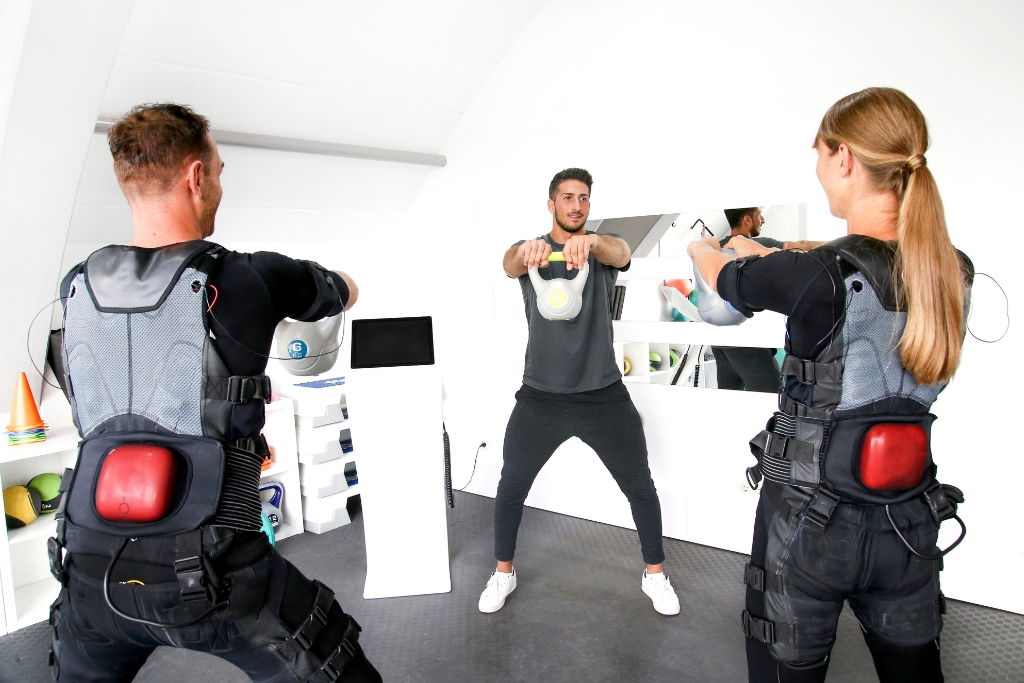
Ageing brings many changes to the body. With time, people may notice a loss of muscle strength, reduced flexibility, balance problems, and lower energy levels. These changes can make everyday activities such as walking, climbing stairs, carrying shopping bags, or getting up from a chair more difficult.
Staying physically active is important for maintaining good health and independence as people grow older. However, traditional workouts may not always be comfortable for older adults, especially those who have limited mobility or find heavy exercises difficult.
This is where EMS (Electrical Muscle Stimulation) training is gaining attention. It uses gentle electrical signals to stimulate muscles while a person performs simple movements. EMS Training For Elderly is becoming a popular fitness option because it offers shorter, guided sessions that can be adjusted according to individual needs, fitness levels, and physical abilities.
Let's explore why more older adults are showing interest in EMS training and how it may support an active lifestyle.
What Is EMS Training?
EMS training is a fitness method that uses controlled electrical signals to make muscles contract. During a session, a person wears a specially designed suit with electrodes that send electrical impulses to different muscle groups.
These signals work alongside normal body movements. While wearing the suit, a person performs simple exercises such as squats, arm movements, and gentle standing exercises.
The main purpose is to activate different muscles during a workout. Unlike many traditional fitness routines, EMS sessions are generally shorter and can be adjusted according to a person's fitness level.
For older adults, the focus should be on comfortable movement, safe muscle stimulation, and steady progress.
Why Is EMS Training Becoming Popular Among Older Adults?
As people age, maintaining strength and mobility becomes more important. Many older adults want to remain active but may not feel comfortable with demanding workouts.
EMS training offers another way to work on physical fitness. Its growing popularity is linked to several benefits that make it an interesting option for people who prefer guided and time-efficient exercise.
1. Helps Maintain Muscle Strength
Muscle strength naturally decreases with age, particularly when people become less active. This can make simple daily tasks more difficult.
EMS training stimulates different muscle groups while a person performs controlled movements. It may help support muscle strength when included in a suitable exercise programme.
Ems Training For Elderly can be considered by people who want to maintain their physical strength without depending entirely on traditional gym exercises.
2. Supports Better Balance and Stability
Good balance helps older adults walk, stand, and move around with confidence. Weak leg and core muscles can make it harder to maintain body stability.
EMS workouts can include exercises that target the legs, hips, and core. These muscles play an important role in supporting body movement.
Regular, guided exercise may help improve strength and movement control. However, EMS should be combined with suitable balance exercises rather than used as the only method of fall prevention.
3. Offers a Low-Impact Exercise Option
Some older adults avoid intense workouts because they are concerned about putting pressure on their knees, hips, and ankles.
EMS training usually involves simple and controlled movements instead of jumping or running. The electrical stimulation can also be adjusted to match the person's comfort level.
This makes it an option worth exploring for people who prefer a less demanding exercise routine. However, low-impact exercise does not mean risk-free exercise, so professional guidance remains important.
4. Helps Support Everyday Movement
Mobility is important for completing daily activities without depending on others. Reduced muscle strength can make walking, standing, and climbing stairs more challenging.
EMS training can include movements that target different parts of the body. These exercises may help older adults work on the strength needed for regular activities.
With a suitable training plan, people can focus on improving their physical abilities and maintaining greater independence.
5. Requires Less Workout Time
Long workout sessions may not suit everyone. Some older adults have busy routines or find it difficult to spend extended periods exercising.
EMS training generally involves shorter sessions than many traditional fitness programmes. This can make it easier to include exercise in a weekly schedule.
However, shorter sessions can still be physically demanding. The intensity and duration should be selected according to the person's fitness level.
6. Provides Personalised Exercise Sessions
Every older adult has different fitness needs. Some may have good mobility, while others may need extra support with basic movements.
EMS equipment allows the trainer to adjust electrical stimulation for different muscle groups. Exercises can also be changed according to the person's comfort and ability.
Ems Training For Elderly works best when the programme is planned around individual health needs instead of following the same routine for everyone.
7. Builds Confidence Towards Exercise
Some older adults feel nervous about joining a gym or trying new exercises. They may worry about falling, making mistakes, or being unable to complete a workout.
A supervised EMS session offers a structured environment where exercises can be explained and adjusted.
With regular practice, participants may become more comfortable with physical activity and develop confidence in their ability to move.
EMS Training vs Traditional Exercise
Both EMS and traditional exercise can support physical fitness. However, they use different methods to activate muscles.
|
Fitness Factor |
EMS Training |
Traditional Exercise |
|
Muscle activation |
Uses electrical impulses with movement |
Uses voluntary muscle contractions |
|
Workout duration |
Generally shorter sessions |
Often longer sessions |
|
Equipment |
Specialised EMS suit |
Weights, machines, or bodyweight |
|
Intensity |
Adjusted through electrical stimulation |
Adjusted through resistance and repetitions |
|
Exercise style |
Combines stimulation with simple movements |
Includes different physical activities |
|
Supervision |
Professional guidance is recommended |
Depends on the exercise type |
The best option depends on individual health, fitness goals, and personal comfort.
Is EMS Training Safe for Older Adults?
Safety should always come first when choosing an exercise programme. Although EMS training can be adjusted to different fitness levels, it may not be suitable for everyone.
Older adults should speak with a healthcare professional before starting, particularly if they have heart conditions, implanted electronic devices such as pacemakers, neurological conditions, or other medical concerns.
A few important points should be considered before beginning:
-
Start with low stimulation levels and simple exercises.
-
Choose a qualified trainer who understands the needs of older adults.
-
Avoid exercising through unusual pain or excessive muscle soreness.
-
Allow enough recovery time between sessions.
-
Follow medical advice and individual exercise recommendations.
Ems Training For Elderly should always be planned according to the person's health and physical abilities.
How Often Should Older Adults Do EMS Training?
The right training schedule depends on age, fitness level, health, and recovery needs. Beginners should start slowly instead of choosing frequent or intense sessions.
A qualified trainer can suggest a suitable routine and adjust it as the person becomes more comfortable with the exercises.
EMS should also be combined with other healthy activities, such as walking, gentle stretching, and balance exercises. A balanced fitness routine can support overall physical health.
Summary
Staying active is an important part of healthy ageing. Maintaining muscle strength, balance, and mobility can help older adults enjoy daily activities and remain independent for longer.
EMS training is becoming popular because it offers shorter workout sessions, adjustable muscle stimulation, and guided exercises. It may be a useful option for older adults who want to explore different ways to maintain their fitness.
However, the right approach always includes medical advice, professional supervision, and a personalised training plan. With a focus on safe and comfortable movement, SilaFit can be part of the conversation around making fitness more accessible and supporting an active lifestyle at every age.
Frequently Asked Questions
1. Is EMS training suitable for adults over 60?
EMS training may be suitable for some adults over 60, depending on their health and fitness levels. However, medical advice and professional supervision are important before starting any electrical muscle stimulation programme.
2. Can EMS training help older adults build muscle strength?
EMS training stimulates muscles during exercise and may support strength development. Results depend on training consistency, individual health, nutrition, and exercise intensity. It should be part of a balanced fitness routine.
3. How long does an EMS training session take?
EMS sessions are generally shorter than many traditional workouts. However, the exact duration depends on the training plan, fitness level, and individual needs. Older adults should follow the trainer's recommended session length.
4. Can beginners try EMS training?
Yes, some beginners can try EMS training after receiving suitable medical advice. They should start with low stimulation levels, simple movements, and professional guidance to help their bodies adjust comfortably.
5. Does EMS training replace walking and regular exercise?
No, EMS training should not replace all other physical activities. Walking, stretching, balance exercises, and suitable strength training remain important for maintaining overall fitness, mobility, and independence as people grow older.
