Why Does Your Freezer Build Up Ice Around the Door? Causes and Solutions
Author : Zuta Appliance Repair | Published On : 03 Nov 2026
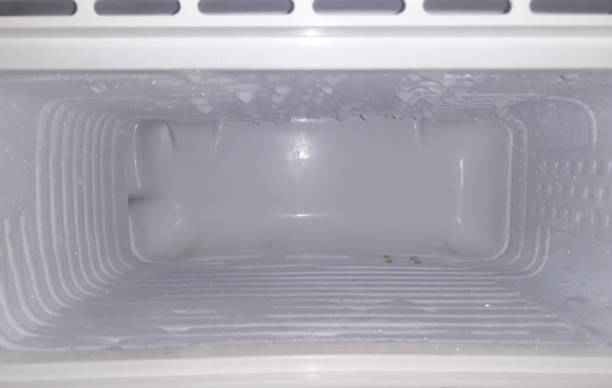
A freezer is designed to keep food frozen by maintaining a consistent temperature inside its compartment. However, if you notice ice building up around the freezer door, it may indicate that something is not working as it should. A small amount of frost can sometimes develop during normal use, but thick ice around the door, edges, or gasket should not be ignored.
Ice buildup around the freezer door can make it difficult to open and close the appliance properly. It can also affect cooling performance, increase energy use, and cause food to spoil if the freezer cannot maintain the correct temperature. Understanding why this happens can help you identify the problem early and prevent more expensive repairs.
Several issues can cause ice to form around the freezer door, including damaged door seals, frequent opening, poor airflow, incorrect temperature settings, and drainage problems. Knowing what to look for can help you decide whether a simple adjustment will solve the issue or whether professional assistance is needed.
Common Reasons Your Freezer Builds Up Ice Around the Door
Ice around the freezer door usually develops when warm, moist air enters the freezer and comes into contact with cold surfaces. The moisture freezes and gradually forms layers of frost or ice. Here are some common reasons this happens.
Damaged or Worn-Out Door Gasket
The freezer door gasket is the rubber seal that runs around the edge of the door. Its main purpose is to create an airtight closure and prevent warm air from entering the freezer.
Over time, the gasket can become cracked, loose, dirty, or worn out. When this happens, the freezer door may not seal properly. Warm air enters through small gaps, bringing moisture that freezes around the door edges.
Signs of a damaged gasket include:
-
Ice forming along the door edges.
-
The freezer door not closing tightly.
-
Cracks or gaps in the rubber seal.
-
Moisture or condensation around the door frame.
-
The freezer running more frequently than usual.
Check the gasket for visible damage and clean it with a soft cloth and mild soap. If the seal is torn or no longer fits properly, replacing it may be necessary.
Opening the Freezer Door Too Often
Every time you open the freezer door, warm and humid air from the room enters the compartment. When this air comes into contact with cold freezer surfaces, moisture can turn into frost.
Opening the door frequently can increase the amount of moisture entering the freezer. Leaving the door open for long periods can make the problem worse, especially in warm or humid environments.
To reduce frost buildup, avoid keeping the door open while deciding what to take out. Organize frozen food so you can find items quickly, and make sure the door closes completely after every use.
Freezer Door Not Closing Properly
Sometimes, the door seal itself is not damaged, but the door does not close completely. This can happen when food containers, storage bags, or freezer drawers prevent the door from shutting correctly.
A freezer that remains slightly open allows warm air to enter continuously. This can lead to thick ice around the door frame and inside the compartment.
Check whether anything is blocking the door. Also, inspect the hinges to see whether they are loose or damaged. If the door appears uneven or does not stay closed, a hinge or alignment issue may need professional attention.
Incorrect Freezer Temperature Settings
The temperature setting can also affect frost formation. If the freezer is not maintaining a stable temperature, moisture entering through the door may freeze unevenly and create ice buildup.
For most household freezers, the recommended temperature is around 0°F (-18°C). Setting the temperature too high may affect food storage, while unstable cooling can contribute to excess frost.
Check your freezer's temperature setting and make sure it is appropriate for the manufacturer's recommendations. If the temperature keeps changing despite correct settings, there may be an issue with the thermostat, temperature sensor, or cooling system.
Blocked Air Vents and Poor Air Circulation
Freezers need proper airflow to maintain an even temperature throughout the compartment. If food packages are placed too close to the air vents, cold air may not circulate correctly.
Poor airflow can create uneven cooling and contribute to moisture and frost buildup. Overfilling the freezer can also make it harder for the door to close properly.
To prevent this issue, leave enough space around the air vents and avoid packing food tightly against the freezer walls. Arrange containers and frozen food neatly so cold air can move freely.
Problems With the Automatic Defrost System
Most modern frost-free freezers have an automatic defrost system that removes frost from the cooling components at regular intervals. If this system stops working correctly, ice can accumulate inside the freezer.
A faulty defrost heater, thermostat, timer, or sensor may prevent the freezer from removing excess frost. Although this problem often causes ice on the interior walls or around other sections, it can also contribute to wider frost buildup.
If you notice heavy ice returning after cleaning and defrosting the freezer, an internal component may need inspection. A professional technician can identify the faulty part and recommend the correct repair.
How to Fix Ice Buildup Around Your Freezer Door
Once you understand the possible causes, you can try a few simple steps to reduce ice buildup. Some problems can be resolved with basic cleaning and adjustments, while others require professional repair.
Clean and Inspect the Door Seal
Start by checking the rubber gasket around the freezer door. Dirt, food particles, and sticky residue can prevent the seal from making proper contact with the freezer frame.
Use warm water and mild soap to clean the gasket. Wipe it with a soft cloth and make sure it is completely dry before closing the door.
Look for cracks, tears, loose sections, or areas where the rubber has become stiff. If the gasket is damaged, replacing it is usually the best solution.
Check the Door Alignment
Open and close the freezer door to see whether it moves smoothly. Check that it sits evenly against the freezer frame and does not leave gaps along the edges.
Remove any food packages or containers that may be blocking the door. If the door still appears uneven, loose hinges or alignment problems could be responsible.
Avoid forcing the door shut because this may cause additional damage to the hinges or sealing system.
Defrost the Freezer When Necessary
If a thick layer of ice has already formed, defrosting the freezer may help remove the buildup. Follow the manufacturer's instructions for your particular model.
Before starting, move frozen food into a suitable cooler or another freezer. Turn off and unplug the appliance if the manufacturer's instructions require it. Allow the ice to melt naturally and collect the water safely.
Never use sharp knives, screwdrivers, or other pointed objects to remove ice. These tools can damage the freezer lining or cooling components.
Once the ice has melted, clean and dry the interior before switching the appliance back on. If heavy frost returns quickly, the underlying problem may still need attention.
Adjust the Temperature Settings
Check the freezer temperature and compare it with the manufacturer's recommendations. For most household freezers, 0°F (-18°C) is the standard recommended setting.
Avoid making frequent temperature changes because the freezer needs time to stabilize. If the temperature remains inconsistent, the thermostat or temperature sensor may require inspection.
Keep the Freezer Properly Organized
Good organization helps prevent door problems and supports better airflow. Store larger containers away from the door edges and make sure drawers and shelves are fitted correctly.
Avoid overfilling the freezer, and check that no food packaging is trapped between the door and its frame. These small steps can help maintain a proper seal and reduce unwanted frost.
How to Prevent Ice From Building Up Around the Freezer Door
Preventing ice buildup is easier than dealing with thick layers of frost. Regular care can help your freezer work properly and reduce the chances of recurring problems.
Here are some useful maintenance habits:
-
Limit unnecessary door openings: Open the freezer only when needed and avoid leaving it open for long periods.
-
Check the gasket regularly: Look for cracks, dirt, loose sections, and signs of wear.
-
Keep food containers organized: Make sure nothing blocks the door from closing completely.
-
Maintain proper airflow: Keep air vents clear and avoid overcrowding the compartment.
-
Check the temperature: Maintain the recommended setting for your freezer model.
-
Clean the appliance regularly: Remove spills, food residue, and dirt before they cause additional problems.
- Following these habits can help extend the life of your appliance. For more useful maintenance advice, read Tips for Extending Your Freezer's Lifespan.
When Should You Call a Professional Appliance Repair Technician?
Some freezer problems cannot be fixed through basic cleaning or adjustments. If ice continues to build up around the door despite checking the gasket, removing obstructions, and correcting the temperature settings, it may indicate a mechanical or electrical issue.
You should consider professional assistance if:
-
The freezer door does not close properly even after removing obstructions.
-
The rubber gasket is torn or needs replacement.
-
Thick ice returns shortly after defrosting.
-
The freezer is not maintaining a consistent temperature.
-
The appliance runs continuously or makes unusual noises.
-
You notice water leaking or ice forming in unusual areas.
- A trained technician can inspect the door seal, hinges, thermostat, defrost system, and other components to identify the source of the problem. Getting the right repair early can prevent additional damage and help avoid unnecessary energy use.
For issues involving cooling performance, damaged seals, or internal freezer components, professional Refrigerator and Freezer Repair can help restore proper appliance operation.
Reliable Freezer Repair Services in Orinda
A freezer that keeps developing ice around its door can become frustrating, especially when the problem affects everyday use. While cleaning the gasket, organizing food, and checking the temperature can resolve some issues, repeated ice buildup may require a closer inspection.
If you are experiencing freezer problems, getting professional help can save time and prevent further damage. An experienced appliance repair technician can identify the cause, inspect important components, and recommend suitable repair solutions.
Homeowners looking for dependable appliance support can explore Appliance Repair Services Orinda for assistance with common appliance issues. Addressing freezer problems early can help maintain reliable cooling and extend the appliance's working life.
Final Thoughts
Ice buildup around the freezer door is often caused by warm air entering through a damaged seal, a door that does not close properly, frequent opening, or poor airflow. In some cases, a problem with the automatic defrost system may also be responsible.
Regular cleaning, proper food storage, correct temperature settings, and checking the door gasket can help prevent excess frost. However, if the ice keeps returning or your freezer is not cooling properly, professional repair may be necessary.
Taking care of small freezer problems early can help maintain its performance, protect stored food, and avoid more expensive repairs in the future.
