Why Does Your Dishwasher Finish a Cycle with Standing Water?
Author : Zuta Appliance Repair | Published On : 28 Oct 2026
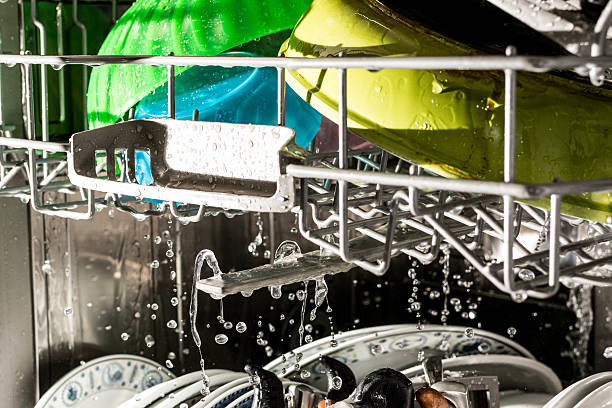
A dishwasher is designed to clean dishes, rinse away food particles, and drain dirty water before the cycle ends. However, if you open the door after a wash and find standing water at the bottom, something may be preventing the appliance from draining properly. This problem can leave dishes dirty, create unpleasant smells, and make your kitchen routine more difficult.
Standing water does not always mean your dishwasher needs a major repair. Sometimes, the cause is a clogged filter, a blocked drain hose, or a simple maintenance issue. In other cases, a faulty drain pump, damaged component, or plumbing problem may be responsible.
Understanding why your dishwasher finishes a cycle with standing water can help you identify the cause and decide whether you can fix it yourself or need professional assistance. This guide explains the most common reasons, practical troubleshooting steps, and ways to prevent the problem from happening again.
1. A Clogged Dishwasher Filter
One of the most common reasons for standing water is a dirty or clogged dishwasher filter. The filter catches food scraps, grease, and other debris during the wash cycle. Over time, these materials can build up and restrict water flow toward the drain.
When water cannot pass through the filter properly, some of it may remain at the bottom of the dishwasher after the cycle ends.
How to Identify the Problem
You may notice:
-
Small food particles collecting around the bottom of the dishwasher.
-
Water draining more slowly than usual.
-
Unpleasant smells when you open the dishwasher.
-
Dirty residue remaining on dishes after washing.
How to Fix It
Turn off the dishwasher and consult the manufacturer's instructions for removing the filter. Take it out carefully and rinse it under warm running water. Use a soft brush to remove grease and stuck food particles.
Avoid using sharp tools that could damage the filter. Once it is clean, reinstall it correctly and run a short cycle to check whether the water drains.
Cleaning the filter regularly is an important part of dishwasher maintenance. It helps improve drainage, reduce odors, and support better cleaning performance.
2. A Blocked or Kinked Drain Hose
The drain hose carries wastewater from the dishwasher to the sink drain or garbage disposal. If the hose becomes blocked, bent, or twisted, water may not flow out as it should.
Food debris, grease, and other buildup can restrict the hose over time. A kinked hose may also prevent wastewater from moving through the drainage system.
Signs of a Drain Hose Problem
- Look for these common signs:
-
Water remains in the dishwasher after every cycle.
-
The dishwasher drains slowly or makes unusual draining sounds.
-
Water backs up into the dishwasher when the sink is used.
-
The drain hose behind the appliance appears bent or compressed.
What You Can Do
Switch off the dishwasher before inspecting accessible parts. Check the visible drain hose for sharp bends, crushing, or obvious damage. If the hose is easy to access, make sure it follows the installation instructions and has not been pushed into a position that blocks water flow.
Do not pull out a built-in dishwasher or disconnect plumbing if you are unsure how to do so safely. Internal blockages may require a technician to inspect and clear the hose.
3. A Faulty Drain Pump
The drain pump moves wastewater out of the dishwasher at the appropriate stage of the cycle. If the pump fails or becomes blocked by debris, the appliance may finish washing but leave water inside.
A pump problem can develop when food particles, small pieces of broken glass, or other objects interfere with the pump impeller. Electrical faults or normal component wear can also prevent the pump from working correctly.
Common Warning Signs
A faulty drain pump may cause:
-
Standing water that remains after repeated cycles.
-
A humming sound without effective drainage.
-
Unusual grinding or rattling noises during draining.
-
A dishwasher that stops before completing its normal cycle.
Some dishwashers make a normal humming sound when the pump operates, so noise alone does not confirm a fault.
How to Address It
First, check the filter and any accessible areas identified in the manufacturer's instructions for removable debris. Disconnect power before inspecting internal components, and never reach blindly into the pump area because broken glass or sharp objects may be present.
If the dishwasher still cannot drain, a professional may need to test the pump, inspect its wiring, or replace a damaged component. Avoid dismantling electrical parts unless you have the proper training.
Professional appliance repair services can help identify whether the issue comes from the pump, a blockage, or another part of the drainage system.
4. A Blocked Sink Drain or Garbage Disposal
Your dishwasher may share a drainage connection with the kitchen sink or garbage disposal. If that connection becomes blocked, wastewater may struggle to leave the dishwasher.
This is especially common when the sink drains slowly or water backs up into the dishwasher after the sink has been used.
How to Recognize the Issue
Check whether:
-
Water collects in the kitchen sink.
-
The sink makes bubbling or gurgling sounds.
-
Dirty water returns to the dishwasher after draining.
-
The dishwasher began having problems after a garbage disposal was installed or replaced.
If the sink and dishwasher both drain poorly, the problem may be in the shared plumbing rather than inside the appliance.
Possible Solutions
Run water in the sink and observe whether it drains normally. If the sink is blocked, address that problem first or contact a plumber when necessary.
If a garbage disposal was recently installed, its dishwasher inlet may still have a factory knockout plug that should have been removed during installation. This requires checking the installation and should be handled by a qualified person if you are unfamiliar with the connection.
Do not pour chemical drain cleaners into the dishwasher. They can damage components and create safety risks.
5. Incorrect Drain Hose Installation
Even when a drain hose is not blocked, incorrect installation can cause drainage problems. Many dishwasher installations require the hose to have a high loop or an approved air gap to help prevent wastewater from flowing back into the appliance.
If the hose is positioned incorrectly, dirty water from the sink drain may return to the dishwasher. This can leave water at the bottom after a cycle or make the appliance appear to drain and refill repeatedly.
What to Check
Review the installation instructions for your dishwasher and confirm that the drain hose is routed correctly. Look for loose connections, improper hose positioning, or signs of water backing up from the sink.
If the dishwasher has recently been installed, moved, or reconnected, incorrect hose routing is worth investigating.
A technician can check the drain connection and correct the installation if necessary.
6. Too Much Detergent or the Wrong Cleaning Product
Using the wrong detergent or adding too much of it can create excessive suds inside a dishwasher. These suds may interfere with normal washing and draining, sometimes leaving foam or water behind after the cycle.
Dishwashing liquid designed for handwashing is particularly unsuitable because it can produce far more foam than dishwasher detergent.
How to Prevent Suds-Related Problems
Use only detergent made for automatic dishwashers and follow the recommended dosage. Consider your water hardness and the manufacturer's instructions when selecting a product.
If excessive suds appear, stop the appliance if it is safe to do so and consult the user manual for the recommended cleanup procedure. Avoid adding more detergent or running repeated cycles without addressing the cause.
If standing water continues after the suds disappear, check the filter, hose, and pump rather than assuming detergent is the only problem.
7. A Faulty Water-Level Sensor or Control System
Dishwashers use sensors and electronic controls to manage different stages of a wash cycle. Depending on the model, a sensor or control fault may prevent the machine from recognizing the correct water level or completing its drainage sequence.
This is less straightforward to diagnose than a dirty filter or visible hose kink.
Possible Symptoms
You might notice that:
-
The dishwasher stops before the cycle finishes.
-
The display shows an error code.
-
The machine behaves differently during each cycle.
-
Water remains inside even though the filter and accessible drain path are clear.
What Should You Do?
Check the user manual for any displayed error code and follow the recommended troubleshooting steps. If the manufacturer recommends a reset, follow its instructions.
A reset may help with a temporary electronic issue, but it will not repair a failed sensor, pump, or control board. If the problem returns, professional diagnosis is the safer option.
Avoid opening electrical panels or testing live components yourself.
8. Normal Residual Water or a Genuine Drainage Problem?
Not every small amount of water inside a dishwasher indicates a fault. Some models retain a small amount of water in the sump, the low area beneath the filter, to help protect seals and internal components.
The important difference is between a small amount of water in the sump and a visible pool covering the dishwasher floor.
If you can see a shallow puddle that remains after every cycle, especially when accompanied by odors, dirty water, or drainage noises, investigate further. Check the manufacturer's guidance for what is normal for your model.
Do not assume that a large amount of standing water is harmless simply because the dishwasher still completes its cycle.
9. When Should You Call a Professional?
Basic maintenance can resolve many dishwasher drainage issues, but some problems require specialist tools and experience. Contact a technician if cleaning the filter and checking accessible hose connections do not solve the issue.
Professional help is particularly important when:
-
The drain pump appears to have failed.
-
Water leaks onto the floor.
-
The dishwasher repeatedly displays error codes.
-
You suspect a damaged electrical component.
-
Dirty water continues flowing back into the appliance.
-
The dishwasher stops draining despite a clear filter and hose.
If you notice burning smells, electrical sparking, or water near electrical connections, stop using the appliance and disconnect power only if it is safe to do so.
Homeowners in Walnut Creek can explore appliance repair services in Walnut Creek when a dishwasher needs inspection or repair. A qualified technician can identify the cause, recommend an appropriate solution, and help prevent further damage.
10. How to Prevent Standing Water in Your Dishwasher
Regular care can reduce the risk of drainage problems and help your dishwasher perform reliably.
Follow these maintenance practices:
-
Clean the filter regularly: Remove trapped food particles before they build up and restrict drainage.
-
Inspect the spray arms: Keep their openings free from food debris so water can circulate properly.
-
Scrape off excess food: Remove large scraps before loading dishes, without necessarily pre-rinsing every item.
-
Use the correct detergent: Choose automatic dishwasher detergent and follow the recommended amount.
-
Check the drain area: Look for visible debris and follow the manufacturer's instructions before cleaning it.
-
Keep the hose properly positioned: Avoid kinks and make sure the installation follows the required drainage configuration.
-
Address slow sink drainage: A shared plumbing blockage can affect the dishwasher, too.
-
Follow a maintenance schedule: Regular inspection helps you notice small problems before they become expensive repairs.
For more practical advice, read these dishwasher maintenance tips. Consistent maintenance can support effective cleaning, reduce unpleasant odors, and help extend the appliance's service life.
Conclusion
A dishwasher that finishes a cycle with standing water may have a clogged filter, blocked drain hose, faulty pump, plumbing obstruction, or installation issue. In some cases, excessive suds or a sensor problem may also be responsible.
Start by checking the filter, looking for visible hose kinks, and confirming that your kitchen sink drains properly. These simple steps can help identify common problems without unnecessary repairs.
If water continues to collect after basic troubleshooting, or you notice leaks, unusual noises, or error codes, professional diagnosis can prevent further damage. With regular maintenance and timely repairs, you can keep your dishwasher draining properly and cleaning your dishes as expected.
Frequently Asked Questions
1. Why is there water at the bottom of my dishwasher after a cycle?
Standing water may result from a clogged filter, blocked drain hose, faulty drain pump, or plumbing obstruction. A small amount of water in the sump may be normal, but a noticeable pool on the dishwasher floor needs investigation.
2. Can I use my dishwasher if it has standing water?
It is best to identify the cause before running another cycle, especially if the water is dirty, smells unpleasant, or continues to accumulate. Stop using the appliance if it leaks or shows signs of an electrical problem.
3. How do I drain standing water from my dishwasher?
Switch off the appliance and follow the manufacturer's instructions for removing water safely. You may be able to remove accessible water with a cup or sponge after ensuring it is safe to do so. Check the filter for debris before testing the machine again.
4. How often should I clean my dishwasher filter?
Check your manufacturer's recommendations, but inspecting the filter weekly and cleaning it as needed is a useful starting point for many households. Homes that run the dishwasher frequently or wash heavily soiled dishes may need more frequent cleaning.
5. Is standing water in a dishwasher a sign that the drain pump is broken?
Not always. A clogged filter, blocked hose, or sink drainage problem can produce similar symptoms. If these areas are clear and water still remains after a cycle, a technician can test the drain pump and other components.
6. Why does dirty water come back into my dishwasher?
Dirty water may return because of a blocked sink drain, a problem with the garbage disposal connection, or an incorrectly installed drain hose. Correcting the blockage or hose installation can often resolve the issue.
7. When should I schedule dishwasher repair?
Arrange professional repair if the dishwasher continues to retain water after basic checks, makes unusual pump noises, displays persistent error codes, or leaks. Early diagnosis can help prevent more serious damage and restore normal drainage.
