Why Do Professional Musicians Never Skip Instrument Maintenance? Here's What You Should Know
Author : Tope Band Supply Co | Published On : 24 Nov 2026
Introduction
Have you ever wondered why professional musicians can deliver consistent performances even after years of playing their instruments? Their secret isn't just talent, regular practice, or expensive equipment. It's also the attention they give to maintaining their instruments. Instrument care plays an important role in preserving sound quality, preventing unexpected performance issues, and helping musical instruments stay in excellent playing condition.
Whether someone plays brass, woodwind, or string instruments, regular maintenance should never be treated as an optional task. Dust, moisture, dirt, and everyday handling can gradually affect an instrument's performance. Even a small amount of buildup inside a mouthpiece, valve, or instrument neck can create playing difficulties.
Professional musicians understand that a well-maintained instrument supports better preparation and greater confidence. So, what can everyday musicians learn from their maintenance routines? Let's explore practical solutions that can help protect musical instruments and make every practice session more enjoyable.
1. Why Professional Musicians Never Ignore Instrument Maintenance
Imagine preparing for an important concert after weeks of practice. Everything is ready, but suddenly, a valve feels sticky, the sound becomes inconsistent, or your instrument doesn't respond as expected.
These situations can interrupt concentration and affect performance.
Professional musicians avoid unnecessary surprises by following simple maintenance habits, such as:
-
Cleaning instruments after regular playing sessions.
-
Removing moisture and dirt from important components.
-
Checking moving parts for smooth operation.
-
Storing instruments in appropriate cases.
-
Inspecting accessories and replacing worn-out supplies.
-
Following manufacturer-recommended cleaning instructions.
These small habits can help prevent avoidable problems and reduce the need for unexpected repairs.
2. Sticky Valves and Rotors: A Small Problem That Can Affect Your Performance
For brass musicians, smooth valve and rotor movement is essential. Imagine playing a fast musical passage when a valve suddenly becomes difficult to press. Even a momentary delay can interrupt your rhythm and confidence.
This problem can develop because of insufficient lubrication, dirt accumulation, or regular wear.
Using synthetic valve and rotor oil brass instruments 2 oz can help maintain smooth movement when applied according to the instrument manufacturer's recommendations. Proper lubrication helps reduce friction between moving components and supports consistent mechanical performance.
However, applying too much oil or using an unsuitable lubricant can create additional problems. Always follow the recommended application instructions and avoid mixing incompatible products.
Practical maintenance tips:
-
Check valve movement before important performances.
-
Use the appropriate lubricant for your instrument.
-
Keep valve components clean.
-
Never force a valve or rotor that feels stuck.
-
Consult a qualified repair technician if the problem continues.
A little preventive attention can make regular practice more comfortable and help avoid unnecessary interruptions.
3. Hidden Dirt Inside Woodwind Instruments: Why Regular Cleaning Matters
Have you ever finished a long clarinet or flute practice session and immediately packed your instrument away? Many musicians make this mistake, especially when they are in a hurry.
Unfortunately, moisture and residue can remain inside the instrument after playing. Over time, this buildup may contribute to hygiene concerns and affect the condition of internal surfaces.
Woodwind instruments need proper cleaning, particularly in areas that are difficult to reach with ordinary cloths.
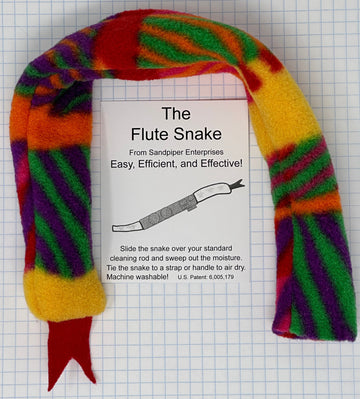
A cloth cleaning snake clarinet or flute snakes provides a practical way to help remove moisture and residue from the internal passages of compatible instruments. Its flexible design helps reach areas that may be difficult to clean using a standard cloth.
How to build a better cleaning routine:
-
Carefully disassemble the instrument according to its instructions.
-
Use a suitable cleaning snake to remove internal moisture.
-
Clean the mouthpiece separately using an appropriate method.
-
Allow components to dry as recommended.
-
Store the instrument safely in its case.
Remember that different instruments require different cleaning methods. Avoid pulling a cleaning accessory forcefully through a passage where it could become stuck.
4. String Instruments Need Attention Too: Don't Overlook Everyday Cleaning
Brass and woodwind instruments aren't the only ones that need regular maintenance. String instruments such as violins and violas also require consistent attention.
Think about a violinist who practices every day. Fingerprints, rosin dust, and environmental exposure can gradually affect the instrument's appearance and condition. If these issues are ignored, cleaning and maintenance can become more difficult.
A violin and viola care cleaning kit can help musicians manage routine cleaning and maintenance with suitable accessories.
Here are some useful habits for string players:
-
Wipe rosin dust from the instrument after playing.
-
Use a soft, instrument-safe cloth.
-
Keep the strings clean according to manufacturer recommendations.
-
Avoid applying household cleaning chemicals to the instrument.
-
Store the violin or viola in a protective case.
-
Check the bridge and other components for visible changes.
Never use ordinary household polish or excessive moisture on delicate instrument finishes. When deeper cleaning or repairs are required, seek professional assistance.
5. The Forgotten Area: Why Saxophone Neck Cleaning Matters
Many saxophone players focus on cleaning the mouthpiece and body but overlook the neck. However, this component also needs regular attention.
After a long practice session, moisture and residue can collect inside the neck. If cleaning is neglected, unwanted buildup may develop over time and make routine maintenance more difficult.
Using a cleaning snake saxophone neck accessory can help remove moisture and residue from the internal passage when it is designed for the instrument's neck.
For better results, saxophone players should:
-
Remove the mouthpiece carefully after playing.
-
Clean the neck using a compatible cleaning accessory.
-
Avoid forcing cleaning tools through narrow openings.
-
Dry the instrument components properly.
-
Store the neck safely to prevent accidental damage.
Paying attention to smaller components is an important part of maintaining an instrument's overall condition.
6. Common Instrument Maintenance Mistakes Musicians Should Avoid
Even experienced musicians sometimes overlook basic maintenance practices. The good news is that many common mistakes are easy to prevent.
Mistake 1: Cleaning only when the instrument looks dirty
Not all residue is immediately visible. Develop a regular cleaning routine instead of waiting for noticeable buildup.
Mistake 2: Using the wrong cleaning products
Different instruments have different materials, finishes, and mechanical components. Always choose products designed for the specific instrument.
Mistake 3: Ignoring unusual sounds or mechanical resistance
Sticky valves, difficult key movement, or unexpected sound changes should not be ignored. Investigate the cause before the issue becomes more serious.
Mistake 4: Storing instruments while they are still wet
Excess moisture can create avoidable maintenance concerns. Follow the correct drying and storage procedure for your instrument.
Mistake 5: Forgetting regular inspections
Check instrument components and accessories periodically. Early attention can help identify potential issues before they interrupt practice or performances.
7. Build a Simple Maintenance Routine for Better Musical Experiences
You don't need to spend hours cleaning your instrument every day. What matters most is consistency.
Here is a simple maintenance routine musicians can follow:
|
Maintenance task |
Recommended habit |
|
External cleaning |
Wipe after playing |
|
Internal moisture removal |
After each playing session |
|
Valve and rotor inspection |
Check regularly |
|
String instrument cleaning |
Remove rosin dust after playing |
|
Accessory inspection |
Check periodically |
|
Professional servicing |
As recommended by a technician |
Following a suitable routine helps musicians take better responsibility for their instruments while supporting their long-term playing experience.
Conclusion: Great Music Deserves Great Maintenance
Professional musicians know that creating beautiful music involves more than mastering notes and techniques. It also requires looking after the instruments that make every performance possible.
From brass valve lubrication and woodwind cleaning to string instrument maintenance and saxophone neck care, every small step contributes to a more reliable playing experience.
The best time to start a maintenance routine is before problems appear. Choose appropriate cleaning accessories, follow manufacturer recommendations, and give your instrument the attention it deserves.
At Tope Band Supply Co., musicians can explore instrument maintenance supplies and accessories designed to support their everyday musical needs. Make regular maintenance part of your musical journey and give your instrument the care it deserves.
Frequently Asked Questions (FAQs)
1. Why is regular instrument maintenance important?
Regular maintenance helps remove dirt and moisture, supports the proper functioning of instrument components, and helps preserve the instrument's condition over time.
2. How often should I clean my musical instrument?
Basic cleaning should generally be performed after every playing session. Deeper cleaning and servicing depend on the instrument type, playing frequency, and manufacturer's recommendations.
3. Can poor maintenance affect musical performance?
Yes. Dirt accumulation, excess moisture, insufficient lubrication, and worn components can affect an instrument's response, sound, or mechanical operation.
4. Do brass and woodwind instruments need different cleaning methods?
Yes. Brass and woodwind instruments have different internal structures and components, so they require suitable cleaning tools and maintenance procedures.
5. How can I keep my violin or viola in good condition?
Wipe away rosin dust after playing, use an appropriate soft cleaning cloth, protect the instrument from extreme environmental conditions, and store it in a suitable case.
6. Should I lubricate my instrument regularly?
Lubrication requirements depend on the instrument and its mechanical components. Follow manufacturer recommendations and use only compatible lubricants.
7. What should musicians keep in an instrument maintenance kit?
A basic kit may include suitable cleaning cloths, instrument-specific cleaning accessories, recommended lubricants where applicable, and protective storage supplies.
8. When should I take my instrument to a professional technician?
Seek professional assistance if you notice persistent mechanical problems, unusual sounds, damaged components, difficult key or valve movement, or issues that regular cleaning cannot resolve
