Why Designers Are Looking Beyond Minimalism Toward Indian Wall Art
Author : Shop vrsa | Published On : 21 Sep 2026
Introduction
Minimalism has dominated modern interiors for years. Clean lines, neutral colors, open spaces, and limited décor created a sophisticated visual language. But luxury interior design is now moving toward something more personal.
Today, designers are asking a different question: Can a space be elegant and still tell a story?
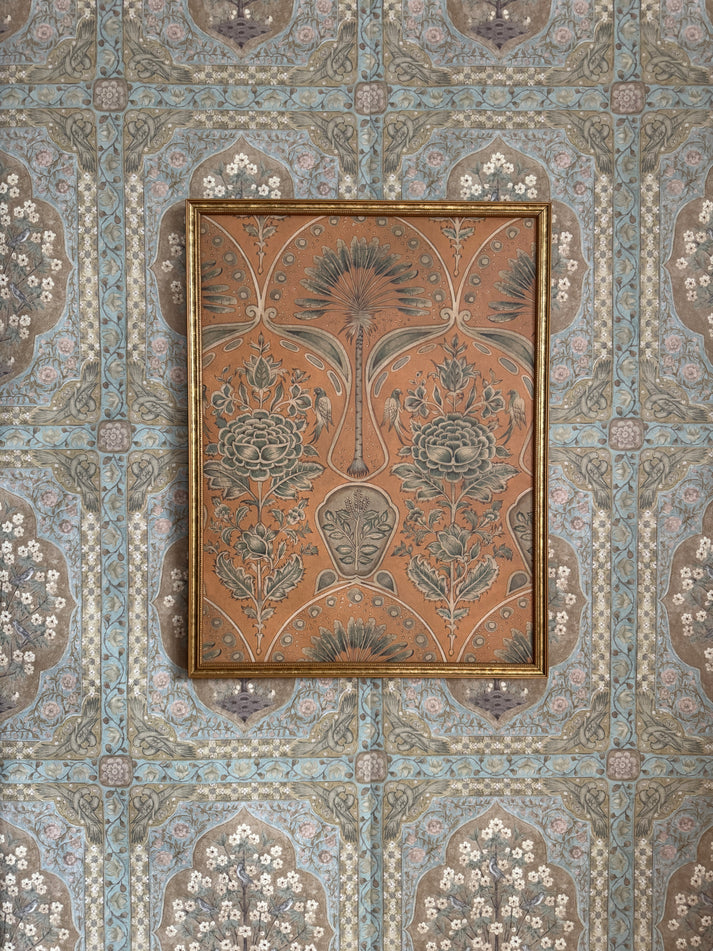
This is where Indian wall art is becoming increasingly relevant. Instead of using art simply as decoration, designers are using it to introduce identity, cultural depth, craftsmanship, and emotion into carefully designed interiors.
1. When Minimalism Starts Feeling Too Predictable
Minimalism can create a beautiful room, but excessive restraint can sometimes make a space feel:
-
Too uniform
-
Emotionally distant
-
Lacking personality
-
Similar to other contemporary interiors
-
Visually memorable for the wrong reasons
The solution is not necessarily adding more furniture or décor.
Instead, one meaningful artistic element can introduce character while keeping the rest of the room refined.
2. The Shift From Decoration to Storytelling
Modern luxury is increasingly about meaning rather than excess.
A thoughtfully selected artwork can communicate:
-
Cultural heritage
-
Artistic craftsmanship
-
Historical influences
-
Personal identity
-
Visual storytelling
-
A connection between past and present
For example, traditional Indian wall art can introduce heritage-inspired patterns, artistic traditions, and cultural references into a sophisticated interior.
The artwork becomes part of the room's story rather than simply filling an empty wall.
3. Real-Life Situation: A Beautiful Room That Still Feels Empty
Imagine a newly designed dining room with:
-
A sculptural dining table
-
Premium chairs
-
Soft architectural lighting
-
Neutral walls
-
High-quality flooring
-
Minimal accessories
Everything looks expensive—but the room still feels incomplete.
Adding more furniture could create clutter.
Adding multiple decorative objects could weaken the minimalist aesthetic.
A carefully selected artwork can solve the problem without changing the room's fundamental design.
One strong visual element can create the focal point the room was missing.
4. Why Designers Are Using Art as a Design Tool
Art is no longer being treated as something chosen after the interior is finished.
Designers can use artwork to help determine:
-
Color direction
-
Visual balance
-
Focal points
-
Furniture placement
-
Lighting requirements
-
Wall composition
-
Overall atmosphere
This makes the artwork part of the planning process.
Instead of asking, “What should we put on this wall?”, designers can ask:
“What should this wall contribute to the experience of the room?”
That small change in thinking can produce a much stronger result.
5. Problem-Solving Approach: Start With the Space
Before selecting artwork, consider these points:
Room Scale
A large wall may require a substantial composition rather than several small pieces.
Furniture Relationship
The artwork should interact visually with sofas, dining tables, consoles, or beds.
Color Balance
The artwork can either reinforce the existing palette or introduce controlled contrast.
Lighting
Natural and artificial lighting should reveal important details without creating distracting reflections.
Visual Breathing Room
Detailed artwork needs enough surrounding space to remain impactful.
Architectural Style
The artwork should create either harmony or intentional contrast with the architecture.
6. Why Contrast Creates More Interesting Interiors
One of the strongest trends in luxury interiors is the use of contrast.
Designers are combining:
-
Contemporary architecture + heritage-inspired artwork
-
Smooth materials + textured compositions
-
Neutral interiors + expressive colors
-
Modern furniture + traditional artistic references
-
Minimal surroundings + detailed focal pieces
This contrast prevents the room from feeling predictable.
The objective is not to make everything match.
The objective is to make everything belong together.
7. Creating a Stronger Emotional Connection
A luxury interior should ideally do more than look expensive.
It should make people feel something.
Meaningful artwork can create:
-
Curiosity
-
Nostalgia
-
Cultural connection
-
Conversation
-
Emotional warmth
-
A sense of discovery
This becomes especially important in residential interiors, where the goal is to create a home rather than a showroom.
8. Why Memorable Spaces Matter
Think about the homes or hotels you remember.
Usually, the memory is connected to a distinctive detail:
-
A dramatic artwork
-
A beautiful entrance
-
An unusual material
-
A striking lighting feature
-
A culturally meaningful object
That is why designers are increasingly focusing on memorability.
A room does not necessarily need more decoration.
It needs the right visual moment.
9. Bringing Contemporary Design and Heritage Together
Heritage-inspired artwork does not have to make a contemporary space feel traditional.
The surrounding design can remain:
-
Minimal
-
Architectural
-
Contemporary
-
Neutral
-
Sophisticated
The artwork then becomes a bridge between different design languages.
For instance, modern Indian wall art can introduce contemporary interpretations of cultural aesthetics while working comfortably alongside modern furniture and architecture.
This creates a layered interior without sacrificing its contemporary character.
10. Where Can This Approach Work?
This design philosophy can be applied throughout a property.
Living Room
Create a central focal point behind a sofa or across from the primary seating area.
Dining Room
Use artwork to establish an atmosphere and complement the dining arrangement.
Entryway
Create an immediate visual impression when guests enter the home.
Bedroom
Introduce personality while maintaining a calm environment.
Hallway
Turn transitional spaces into curated visual experiences.
Home Office
Use artwork to create an environment that feels intentional and inspiring.
11. The New Definition of Minimalism
The future of minimalism may not mean having less.
It may mean choosing better.
Instead of filling a room with numerous decorative elements, designers can select a few meaningful pieces and give them enough space to make an impact.
This creates a more sophisticated form of minimalism:
-
Less visual clutter
-
More personality
-
Stronger focal points
-
Greater cultural depth
-
Better storytelling
-
More intentional design
The room remains clean—but no longer feels empty.
12. The Bigger Design Shift
Luxury interiors are gradually moving from visual perfection to personal expression.
This means homeowners and designers are looking for elements that:
-
Feel authentic
-
Have cultural significance
-
Create conversation
-
Reflect individuality
-
Work with the architecture
-
Remain visually relevant over time
Art can provide all of these qualities without requiring the room to become visually crowded.
Conclusion
The movement beyond minimalism does not mean abandoning simplicity.
Instead, it represents a shift toward intentional luxury.
The most successful interiors may not be the ones filled with expensive objects. They may be the ones where every significant element has a purpose.
A carefully selected artwork can turn an empty wall into a focal point, a room into an experience, and a beautiful interior into something genuinely memorable.
For designers and homeowners looking to combine contemporary sophistication with cultural richness, Shopvrsa offers an approach where artistic heritage, craftsmanship, and luxury interiors can come together to create spaces with greater character and meaning.
FAQ
1. Why are designers moving beyond minimalism?
Designers are exploring more personalized interiors that include storytelling, cultural identity, texture, and emotional depth while maintaining a sophisticated foundation.
2. Can artwork work in a minimalist interior?
Yes. A single carefully selected artwork can create a focal point without adding unnecessary visual clutter.
3. How should artwork be selected for a luxury interior?
Consider the room's scale, furniture, color palette, lighting, architecture, and overall design story before choosing the artwork.
4. Can heritage-inspired art work with modern furniture?
Yes. The contrast between contemporary furniture and heritage-inspired artwork can create a sophisticated and visually layered interior.
5. Where can statement artwork be used?
Living rooms, dining rooms, bedrooms, entryways, hallways, home offices, and other spaces can benefit from thoughtfully positioned artwork
