Why Designer Cushions Are Becoming the Secret to Elevated Interiors
Author : Shop vrsa | Published On : 05 Oct 2026
Introduction
Luxury interiors are rarely defined by one expensive piece of furniture or a single dramatic statement. The most memorable spaces are often created through layers—texture, pattern, colour, proportion, craftsmanship, and carefully chosen details that work together without competing for attention.
One of the most overlooked details in this process is the humble cushion.
A cushion may occupy only a small part of a room, but its visual impact can be surprisingly powerful. It can introduce patterns into a neutral space, soften structured furniture, bring cultural character into a contemporary setting, or connect colours from different areas of a room.
This is why designers are increasingly treating designer cushions as more than simple decorative accessories. They can become part of the visual language of an interior, helping a space feel considered rather than simply furnished.
The real question is no longer whether cushions belong in a luxury room. It is how they can be used intelligently to create atmosphere, personality, and visual depth.
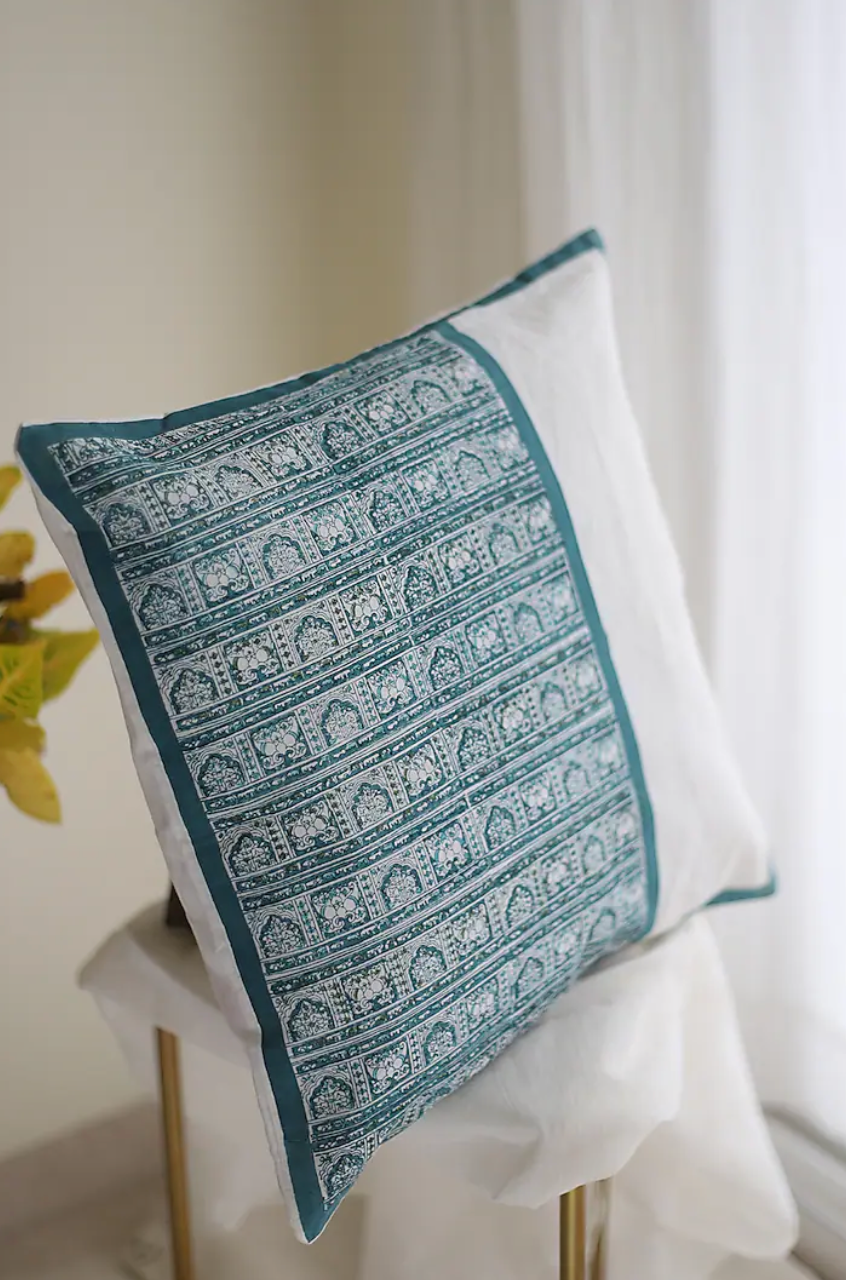
A Beautiful Room That Still Feels Incomplete
Imagine walking into a newly designed living room.
The furniture is elegant. The lighting is carefully planned. The walls have a sophisticated finish, and the flooring complements the overall palette. Everything appears correct—but somehow, the room still feels flat.
This is a common interior-design challenge.
The problem is often not that something large is missing. Instead, the room may lack the smaller layers that create warmth and visual connection.
A sofa can look too formal without softness. A neutral colour palette can feel repetitive without contrast. A contemporary space may lack personality without an element of pattern or craftsmanship.
This is where thoughtfully selected cushions can change the atmosphere.
What Can Be Missing From a Finished Room?
-
Texture to break up smooth surfaces
-
Colour to connect different design elements
-
Pattern to introduce visual interest
-
Softness to balance structured furniture
-
Personality to make the space feel individual
Rather than redesigning an entire room, designers can introduce these elements through smaller details that are easier to change as the interior evolves.
Solution 1: Use Texture to Create Visual Depth
Luxury is not always about adding more colour. Sometimes, it is about creating contrast through texture.
Consider a neutral sofa paired with a cotton cushion cover featuring an intricate weave, subtle pattern, or handcrafted character. The colour may remain understated, but the texture creates another visual layer.
This approach works particularly well in refined interiors where excessive decoration could make the room feel crowded.
Why Texture Matters
-
Creates contrast against smooth upholstery
-
Adds a tactile quality to the room
-
Makes neutral interiors feel warmer
-
Helps create a layered appearance
-
Adds sophistication without excessive colour
Different materials can also create contrast. Smooth upholstery next to textured fabric creates a tactile relationship. A structured sofa can feel softer when paired with cushions featuring natural textile qualities.
Solution 2: Let Cushions Introduce Personality
A room can be beautifully designed and still feel impersonal.
This often happens when every element follows the same colour, material, or design language. While coordination is important, too much uniformity can remove the individuality that makes a home feel lived-in.
Cushions provide an opportunity to introduce something unexpected.
A distinctive motif, artistic pattern, heritage-inspired design, or contrasting colour can instantly give a seating area more personality without disrupting the overall aesthetic.
Ways to Add Personality
-
Introduce an unexpected pattern
-
Combine contemporary furniture with heritage-inspired textiles
-
Use an accent colour from existing artwork
-
Choose motifs that reflect personal interests
-
Mix subtle and expressive designs
For designers working with culturally inspired interiors, this becomes particularly valuable. A carefully chosen textile can reference artistic traditions while still fitting into a contemporary environment.
Solution 3: Create a Stronger Colour Connection
One of the smartest ways to use cushions is to repeat or connect colours that already exist within a room.
For example, imagine a living room featuring warm wood, muted walls, and artwork containing deep blue and earthy tones. Instead of introducing an unrelated colour, cushions can subtly repeat those existing shades.
This creates visual continuity.
A Simple Colour-Layering Approach
Step 1: Identify the dominant room colour.
Step 2: Look for secondary colours in artwork, rugs, curtains, or accessories.
Step 3: Introduce one or two of those shades through textiles.
Step 4: Add pattern or texture without overwhelming the palette.
The important point is that matching does not mean making everything identical. Sophisticated interiors often rely on related colours with different patterns, textures, and intensities.
Solution 4: Bring Cultural Character Into Contemporary Spaces
Modern interiors do not have to be culturally neutral.
In fact, one of the most interesting design directions today is the combination of contemporary architecture with traditional artistic influences.
Indian decorative pillows can contribute to this approach by introducing motifs, craftsmanship, and visual storytelling without requiring an entire room to follow a traditional aesthetic.
Why This Combination Works
-
Contemporary furniture creates a clean foundation
-
Heritage-inspired patterns add character
-
Textile details introduce warmth
-
Cultural references make the space more personal
-
Contrast prevents the room from feeling predictable
A contemporary sofa, minimalist coffee table, and modern lighting can coexist with textiles inspired by South Asian artistic traditions.
This creates contrast—and contrast creates interest.
Solution 5: Think Beyond the Sofa
Another common mistake is treating cushions as something that belongs exclusively on sofas.
They can also be used on:
-
Accent chairs
-
Window seats
-
Benches
-
Daybeds
-
Reading corners
-
Bedroom seating
-
Entryway benches
-
Outdoor lounge furniture
Changing the placement changes the role of the cushion.
A pair of cushions on a formal sofa may create symmetry, while a single patterned cushion on an accent chair can become a focal point.
This gives designers more flexibility when creating visual hierarchy within a room.
Less Matching, More Layering
One of the biggest shifts in sophisticated interior styling is moving away from perfectly matching accessories.
Instead of purchasing every textile from the same pattern family, consider layering different elements that share a common design relationship.
A Simple Layering Formula
Base: Neutral upholstery
Layer: Textured textile
Accent: Artistic pattern
Connection: Repeated colour from artwork or rug
Finishing detail: Contrasting trim or subtle motif
This approach makes the interior feel collected rather than staged.
The objective is not to make every cushion look identical. The objective is to make every piece feel like it belongs.
How to Make Cushions Feel More Luxurious
Luxury styling often comes down to proportion and restraint.
Too many cushions can overwhelm a seating area. Too few may leave a large sofa looking unfinished.
Instead of automatically filling every available space, consider the scale of the furniture.
Keep These Styling Rules in Mind
-
Match cushion size to furniture scale
-
Avoid overcrowding the seating area
-
Balance bold patterns with quieter designs
-
Use texture when colour is already strong
-
Repeat colours subtly instead of matching everything
-
Leave enough visual breathing room
If the room already contains dramatic wallpaper or artwork, simpler textiles may create balance. If the room is visually restrained, a stronger textile pattern can provide the necessary focal point.
The goal is balance—not maximum decoration.
Why This Detail Matters More Than You Think
The appeal of cushions is their ability to change the personality of a space without requiring a complete renovation.
Want a living room to feel warmer? Introduce richer textures.
Want a contemporary space to feel more personal? Add an artistic textile.
Want to highlight cultural heritage? Introduce a meaningful motif.
Want to refresh a room for a new season? Change the textile layers.
Why Homeowners and Designers Can Benefit
-
Easy way to refresh an existing interior
-
Creates visual interest without major renovation
-
Allows seasonal styling changes
-
Supports personal expression
-
Helps connect different décor elements
-
Adds softness and comfort to structured spaces
This flexibility makes cushions particularly useful for homeowners and interior designers who want interiors that can evolve over time.
Indian cushions can be especially effective when the goal is to combine decorative richness with a strong sense of heritage, allowing a room to carry cultural character without becoming visually overwhelming.
The New Meaning of a Small Detail
The most successful interiors often contain details that reward a second look.
A cushion may not immediately appear as important as a sofa, chandelier, or wall treatment. Yet it can influence how those larger elements are perceived.
It adds softness to hard surfaces.
It introduces texture to smooth materials.
It creates colour relationships.
It can reference craftsmanship.
Most importantly, it can make a room feel personal.
The Bigger Design Impact
A well-selected cushion can help:
-
Soften architectural lines
-
Highlight a colour story
-
Introduce cultural references
-
Create a focal point
-
Add tactile depth
-
Make a space feel more lived-in
That is why the role of cushions is changing. They are moving beyond being purely functional comfort pieces and becoming intentional components of interior storytelling.
Conclusion
Elevated interiors are built through thoughtful decisions, not simply expensive purchases. Every layer has the opportunity to contribute to the atmosphere of a space, and cushions are increasingly becoming one of those important layers.
From texture and colour to cultural expression and visual balance, the right textile can completely change how a room feels without changing its fundamental architecture or furniture.
For homeowners and designers seeking distinctive pieces that combine artistic expression with sophisticated interiors ,shopvrsa brings together heritage-inspired design and contemporary luxury. The right finishing detail may be small, but its ability to transform the character of a room can be anything but.
FAQ
Why are cushions important in luxury interior design?
Cushions add texture, colour, softness, and personality to a space. They can also help connect different design elements, making the overall interior feel more cohesive.
How can cushions make a neutral room more interesting?
Patterned or textured cushions can introduce visual contrast without requiring major changes to the room. They can bring warmth, colour, or artistic character to an otherwise neutral setting.
Should cushions match the sofa?
They do not necessarily need to match. Using complementary colours, different textures, and related patterns can create a more layered and sophisticated appearance.
How many cushions should be used on a sofa?
The ideal number depends on the size and style of the sofa. Instead of focusing only on quantity, consider proportion, spacing, and how the cushions interact with the furniture and surrounding décor.
Can traditional textiles work in modern interiors?
Yes. Traditional patterns and textiles can create compelling contrast when paired with contemporary furniture, clean architecture, and modern accessories.
Can cushions be used outside the living room?
Absolutely. Cushions can enhance bedrooms, reading areas, benches, accent chairs, daybeds, entryways, and other seating areas throughout a home
