Why Community Participation Matters for People Living with Disability
Author : Neway Disability Services | Published On : 20 Nov 2026
Community participation plays an important role in helping people with disability lead fulfilling, connected and independent lives. Being involved in everyday activities, meeting new people, exploring interests and developing relationships can contribute to improved confidence, wellbeing and a greater sense of belonging.
For many people, meaningful participation is not simply about attending an event or visiting a public place. It is about having the opportunity to make choices, pursue personal interests and feel included in the communities where they live. With the right support, individuals can explore new experiences, strengthen existing skills and become more confident in their everyday routines.
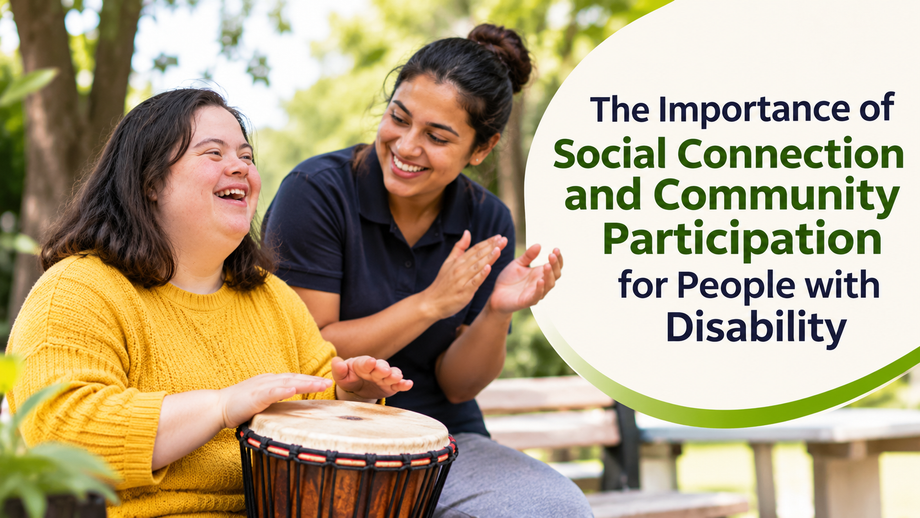
Building Confidence Through Everyday Experiences
Confidence often develops gradually through regular experiences and opportunities to try something new. Activities such as visiting a local library, attending a sporting event, joining a recreational group or exploring a hobby can help participants become more comfortable in different environments.
Having appropriate support can make these experiences easier and more enjoyable. Support workers can assist participants with planning activities, managing unfamiliar situations and navigating social interactions while encouraging them to make their own decisions.
Rather than taking over, effective disability support focuses on providing assistance when needed and allowing individuals to develop confidence at their own pace. Over time, familiar activities may become opportunities for greater independence.
Developing Social Connections and Relationships
Social isolation can affect a person's emotional wellbeing and quality of life. Opportunities to connect with others through shared interests can help reduce isolation and encourage meaningful relationships.
Community activities provide natural opportunities for conversation, friendship and interaction. Participants may enjoy joining art classes, attending community events, participating in sports, visiting cafés or taking part in group activities.
These experiences can help individuals develop communication skills, learn how to interact in different social settings and establish relationships based on common interests. The value of participation is not necessarily measured by how many activities someone attends, but by whether those experiences are enjoyable and meaningful to them.
Exploring Interests and Discovering New Opportunities
Every person has different interests, preferences and aspirations. Some individuals may enjoy creative activities, while others prefer outdoor recreation, music, cooking, shopping, educational programs or volunteering.
Providing opportunities to explore different activities allows participants to discover what they enjoy and identify new personal goals. Trying something unfamiliar can also help develop problem-solving skills, adaptability and confidence.
Personalised support makes it easier to ensure activities are suitable for the participant's needs, abilities and preferences. This may involve considering accessibility, sensory requirements, communication preferences, transport arrangements and the level of assistance required.
Supporting Independence and Everyday Skills
Participation in community activities can also help people develop practical skills that support independence. Everyday experiences such as using public transport, making purchases, following directions, communicating with others and managing personal schedules can become valuable learning opportunities.
With consistent encouragement, participants may gradually become more confident completing familiar tasks with less assistance. Support workers can help individuals practise these skills in real-life environments rather than relying only on structured learning.
The aim is to build capability while respecting each participant's choices and individual circumstances. Progress may look different for every person, and small achievements can represent meaningful steps towards greater independence.
The Importance of Personalised Disability Support
Effective community support should be centred on the participant rather than a fixed schedule of activities. Understanding a person's goals, interests, strengths and support requirements is essential when planning meaningful experiences.
For individuals and families exploring NDIS community participation in Melbourne, personalised support can provide opportunities to engage in activities, access local services, develop social connections and work towards individual goals.
A flexible approach allows participants to choose how they spend their time, whether they prefer individual activities, small groups or larger community events. Support should also adapt as interests change, new skills develop or personal goals evolve.
Making Community Participation Accessible
Accessibility involves more than physical access to a venue. Participants may require assistance with transport, communication, planning, managing sensory environments or feeling comfortable in unfamiliar situations.
Advance planning can help make activities more accessible and reduce unnecessary stress. Choosing suitable locations, considering quieter times, understanding transport options and preparing for changes can contribute to a more positive experience.
Support workers who understand individual preferences can help participants feel comfortable while encouraging them to explore new opportunities. A respectful and patient approach is particularly important when someone is trying an activity for the first time.
Creating Meaningful Opportunities for Inclusion
Community participation is most valuable when people have genuine opportunities to make choices and contribute. Inclusion means recognising that people with disability have the same right to enjoy recreational activities, develop friendships, explore interests and participate in community life as anyone else.
Families, support workers, community organisations and local groups can all play a role in creating welcoming environments. When barriers are reduced and individuals receive appropriate assistance, participation becomes more achievable.
Ultimately, meaningful community involvement is about more than being present. It is about feeling connected, respected and valued while having the freedom to pursue personal interests and goals.
By encouraging participation, supporting individual choices and creating opportunities for connection, communities can help people with disability experience greater confidence, independence and a stronger sense of belonging.
