Why Choose a Local Lake District Photographer for Your Photography Needs?
Author : Lucas Tomlinson | Published On : 14 Jul 2026
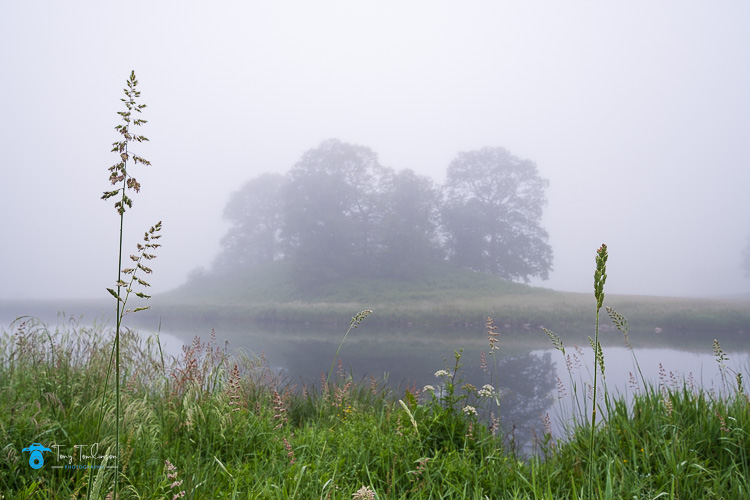
A local photographer brings location fluency, practical timing, and calmer decision-making on shoot day. That means fewer wrong turns, fewer rushed choices, and more time spent actually making strong photographs. It often means safer footing near water edges, better light choices, and a smoother plan for weather swings.
Local coverage tends to reduce hidden friction. Travel buffers shrink, sunrise starts feel realistic, and rescheduling becomes simpler if rain settles in for a full day. That creates space for better expressions, better composition, and a finished set of images that feels intentional rather than improvised.
Why Choose A Local Lake District Specialist?
Choosing local support gives faster planning, better location fit, and smarter timing around light changes. Local knowledge helps match the right lake, fell, or woodland to the brief, then keep the shoot moving without stress. That usually leads to stronger variety, fewer compromises, and images that feel true to place.
Local Knowledge of Light and Weather
Light behaves differently across Derwentwater, Buttermere, and Ullswater, even on the same morning (cloud height and valley shape change everything). A local eye often predicts when low cloud will sit, where wind will ripple reflections, and when a break in the weather actually looks promising.
That is where a Lake District photographer earns value beyond camera skills. Location knowledge guides choices like facing direction at golden hour, picking a shoreline with cleaner backgrounds, and avoiding the “busy-but-pretty” viewpoint that clutters a frame with people.
Access, Timing, and Quiet Spots
Popular viewpoints fill quickly during school breaks, bank holidays, and warm weekends, so timing matters more than most plans admit (and parking rules do not bend for anyone). Local planning often starts with access reality: where to park, how long the walk takes with children, and which paths suit formal shoes.
Quieter alternatives can still look iconic. A short shift from an obvious viewpoint can trade crowds for calmer water and cleaner lines, which helps portraits feel private even in a public place. That small change often lifts image quality more than new gear ever could.
Planning That Respects Trails and Rules
A well-run shoot respects the National Park setting, residents, and other visitors, and that respect shows in the final work (less rushing, fewer awkward moments). Planning covers practical details that protect time and reduce risk.
- Arrival plan with realistic parking options and walking times
- Backup route for rain, wind, or low cloud sitting all day
- Safety notes for slippery rock, steep edges, and cold water
- Clothing guidance that fits the brief and the terrain
- Permission checks for private land, venues, or restricted areas
That kind of structure keeps attention on expression and composition, rather than problem-solving mid-shoot. It helps families relax, and it helps brand teams stick to the schedule without cutting corners.
Portrait Direction That Feels Natural
Local shoots often work best with gentle direction and small prompts rather than stiff posing (people want to look like themselves). Guidance can match the setting: walking a short section of path, pausing to look across water, or using a stone wall as a natural anchor.
Directing for changeable light takes practice. Cloud can act like a softbot, then vanish, then return, so direction adjusts in real time without making anyone feel “managed.” That keeps faces comfortable, keeps eyes relaxed, and keeps the session feeling human.
Efficient Shoots for Families and Brands
Family sessions need pace and flexibility. Children get cold, snacks matter, and the best smile often happens between “official” moments (that part always surprises people). Efficient planning chooses locations that offer variety without long transfers, so energy stays high.
Brand work benefits from the same efficiency. A short list of shot types, planned angles, and quick switches between wide scenes and detail shots can deliver a full gallery within a tight window. That makes content teams happy, and it reduces the risk of missing a must-have frame.
A Local Network for Smooth Logistics
Local connections can reduce delays in simple, practical ways (the kind that never appear on a moodboard). Knowledge of seasonal closures, local event days, and the best time to approach a busy jetty can save a session.
Working with a Lake District photographer often brings smoother coordination for accommodation shoots, proposal planning, micro-weddings, and multi-location days. Recommendations can cover hair and make-up timing, meeting points that actually work, and locations that fit a client’s privacy needs without sacrificing beauty.
Closing Thoughts on Local Choice
Local work is about reducing guesswork and keeping the day enjoyable, even when the weather tries to rewrite the plan. Strong results come from small decisions made well: the right shore at the right hour, the right walk for the group, and a pace that lets real moments happen.
For photography that feels grounded in place, local knowledge turns a scenic area into a purposeful setting. The final gallery benefits from calm logistics, confident location choices, and direction that stays natural from the first frame to the last.
