Why Attic Insulation Around Access Hatches Deserves Special Attention
Author : Attic Insulation Plus | Published On : 18 Nov 2026
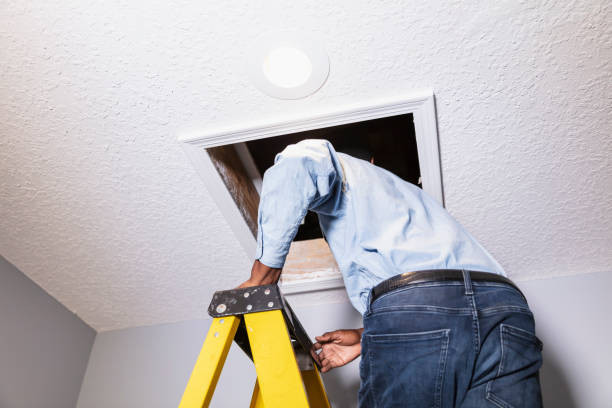
Attic insulation plays an important role in maintaining indoor comfort, improving energy efficiency, and helping homeowners manage heating and cooling costs. While many homeowners focus on insulating large attic surfaces, such as ceilings, rooflines, and exterior walls, smaller areas also deserve attention. One commonly overlooked location is the attic access hatch. Although it may seem like a minor part of the home, an improperly insulated or poorly sealed access hatch can allow conditioned air to escape and outdoor air to enter.
Attic access hatches provide convenient entry into the attic for inspections, maintenance, storage, and repairs. However, they also create an opening between the conditioned living space and the attic. If this opening is not properly insulated and sealed, it can contribute to unwanted air movement, temperature differences, and increased energy consumption.
Understanding why attic insulation around access hatches deserves special attention can help homeowners identify hidden energy problems and make informed decisions about improving their home's insulation.
Understanding How Attic Access Hatches Affect Home Comfort
An attic access hatch is typically installed in a ceiling, hallway, closet, or garage. It may be designed as a simple removable panel, a hinged door, or a pull-down stair system. Regardless of its design, the hatch creates a potential weak point in the home's thermal barrier.
Most attic floors are covered with insulation to slow the transfer of heat between the attic and the living space. However, if the access hatch has little or no insulation, it can become an area where heat moves more easily.
During hot weather, attic temperatures can rise significantly as roofing materials absorb sunlight. Heat can transfer through an inadequately insulated hatch and make nearby rooms warmer. During cooler weather, heated indoor air can escape through gaps around the hatch, reducing indoor comfort.
The problem is not always immediately noticeable. Homeowners may experience inconsistent temperatures, increased air conditioning usage, or uncomfortable rooms without realizing that the attic access point is contributing to the issue.
Why Insulation Around Attic Hatches Is Often Overlooked
When homeowners think about attic insulation, they usually imagine large areas covered with fiberglass batts, blown-in insulation, or spray foam. Since attic access hatches occupy relatively little space, they are easy to overlook during routine insulation projects.
There are several reasons why this area may receive insufficient attention.
First, some older homes have basic plywood or drywall access panels without any insulation attached. These materials provide limited resistance to heat transfer compared with properly installed insulation.
Second, insulation contractors may focus primarily on covering the attic floor. If the access hatch is not included in the insulation plan, the surrounding area can remain vulnerable to air leakage.
Third, repeated attic access can disturb insulation around the opening. Homeowners, maintenance workers, and technicians may move insulation while entering or leaving the attic. Over time, this can create uncovered sections or gaps around the hatch.
Finally, homeowners may assume that closing the access panel is enough to prevent air movement. However, a hatch can appear completely closed while still allowing air to pass through small gaps around its edges.
Addressing these issues requires attention to both insulation coverage and air sealing.
How Poorly Insulated Access Hatches Allow Heat Transfer
Heat naturally moves from warmer areas toward cooler areas. The temperature difference between the attic and the living space can create conditions that encourage heat transfer through an inadequately insulated access hatch.
During summer, hot attic air and heated ceiling materials can increase temperatures around the hatch. Without sufficient insulation, heat can pass through the panel and affect the room below.
During cooler months, the opposite problem can occur. Warm indoor air can lose heat through an uninsulated hatch, making the heating system work harder to maintain the desired temperature.
The material used for the access panel also matters. Thin plywood, lightweight drywall, and other basic construction materials generally provide less thermal resistance than properly insulated panels.
Adding suitable insulation to the hatch helps reduce heat transfer. However, insulation alone may not solve every problem. If air can move freely through gaps around the panel, the opening can continue to affect indoor comfort and energy performance.
The Importance of Sealing Gaps Around the Hatch
Insulation and air sealing work together to create an effective thermal barrier. While insulation slows heat transfer, air sealing helps prevent unwanted air movement through openings and gaps.
Small gaps around an attic access hatch may allow conditioned air to escape into the attic. They can also provide pathways for hot attic air, dust, and other airborne particles to enter the living space.
Installing weatherstripping around the hatch frame can help create a tighter seal when the panel is closed. The weatherstripping should fit properly and form consistent contact around the edges.
For additional protection, homeowners should consider professional Attic Air Sealing Services to identify and address air leakage around the attic opening and other vulnerable areas.
Professional air sealing can include inspecting the hatch frame, identifying gaps around the surrounding ceiling, and sealing appropriate openings with suitable materials. The goal is to reduce uncontrolled airflow without interfering with necessary ventilation or creating safety concerns.
A properly sealed access hatch helps the attic insulation system perform more effectively and supports more consistent indoor temperatures.
Choosing the Right Insulation for an Attic Access Hatch
Not every attic access hatch has the same construction or dimensions. The appropriate insulation method depends on the type of hatch, available space, surrounding materials, and existing attic insulation.
Several insulation options may be suitable.
Fiberglass insulation
Fiberglass batts can be attached to certain attic access panels or installed around the surrounding area. They are commonly used in residential insulation projects because they are available in different thicknesses and thermal ratings. Proper installation is important to prevent gaps, compression, and shifting.
Rigid foam insulation
Rigid foam boards can provide a lightweight insulation layer for suitable access panels. They can be cut to fit the hatch dimensions and secured using appropriate installation methods. Their performance depends on the product's R-value, thickness, and proper installation.
Insulated attic access covers
Specially designed attic hatch covers can provide an additional thermal barrier over the access opening. Some products are designed to fit over pull-down stairs, while others accommodate simple ceiling panels.
Weatherstripping
Weatherstripping is not a replacement for insulation, but it plays an important role in reducing air leakage. It should be installed around the hatch frame to help create a tight connection when the access panel is closed.
The best approach may involve combining insulation with weatherstripping and professional air sealing. This creates a more complete solution than relying on a single material.
How Attic Door Insulation Supports Energy Efficiency
An attic access hatch functions much like a small door between the home's conditioned space and the attic. Just as exterior doors need proper insulation and weatherstripping, attic access panels require attention to reduce unnecessary heat transfer.
Proper insulation around this opening can help maintain more stable indoor temperatures. When less heat enters during summer and less conditioned air escapes, the HVAC system may have an easier time maintaining the thermostat setting.
Homeowners interested in improving this area can learn more about Attic Door Insulation Benefits.
Attic door insulation can contribute to several improvements:
-
Reduced heat transfer between the attic and living space.
-
Better temperature consistency near the access opening.
-
Less unwanted air movement through gaps.
-
Improved performance of the overall attic insulation system.
-
Potential reductions in unnecessary heating and cooling demand.
Actual energy savings depend on the home's construction, existing insulation levels, air leakage, climate, and HVAC efficiency. However, addressing an overlooked opening can be a useful part of a broader energy improvement strategy.
Common Problems Homeowners Should Watch For
Recognizing signs of an improperly insulated attic hatch can help homeowners address problems before they become more noticeable.
One common warning sign is a temperature difference near the access opening. If the hallway, closet, or room below the hatch feels warmer than surrounding areas during summer, insufficient insulation or air leakage may be contributing factors.
Another sign is visible daylight around the hatch when viewed from the attic side. Light passing through the edges can indicate gaps that may also allow air movement.
Dust accumulation around the access panel may suggest that air is moving through the opening. Although dust can have several sources, it is worth inspecting the hatch if the surrounding area repeatedly collects particles.
Homeowners should also look for missing insulation, damaged weatherstripping, loose panels, and gaps between the hatch frame and ceiling.
In some situations, increased HVAC usage or difficulty maintaining comfortable indoor temperatures may point toward insulation and air leakage problems throughout the home, including the attic access area.
Why Proper Installation Matters
Even high-quality insulation materials may perform poorly when installed incorrectly. Around attic access hatches, improper installation can create gaps, reduce insulation effectiveness, or interfere with the panel's ability to close securely.
For example, placing too much insulation around a hatch may prevent it from closing properly. Loose materials can shift over time, while compressed insulation may provide less thermal resistance than intended.
The access panel should remain easy to open when needed while maintaining a secure seal when closed. Insulation should also be installed without blocking attic ventilation pathways or covering electrical components and other areas that require clearance.
Safety is another important consideration. Some older homes may contain hazardous materials, and attic spaces can include exposed wiring, recessed lighting, and other potential risks. Homeowners should avoid disturbing unfamiliar materials and seek professional assistance when necessary.
A professional assessment can help determine the appropriate insulation thickness, installation method, and air sealing requirements for the specific hatch design.
Special Considerations for Homes in Pompano Beach
Homeowners in South Florida face particular insulation challenges because of the region's warm temperatures, humidity, and extended cooling seasons. In Pompano Beach, air conditioning systems often operate for much of the year to maintain comfortable indoor conditions.
Attics can become extremely hot during sunny weather, increasing the temperature difference between attic spaces and conditioned rooms. An inadequately insulated access hatch may contribute to unwanted heat transfer and make indoor temperatures more difficult to manage.
Humidity also deserves attention. Uncontrolled air movement between the attic and living space can introduce moisture under certain conditions. When moisture interacts with cooler surfaces, condensation may develop, potentially contributing to material deterioration or mold-related concerns.
Proper attic insulation and air sealing can help reduce unwanted air movement and support better indoor temperature management. However, insulation should always be combined with appropriate ventilation and moisture control.
Homeowners looking for professional insulation solutions can explore Attic Insulation Pompano Beach to learn about services available in the area.
A professional inspection can help identify insulation gaps, evaluate the attic access opening, and determine whether additional air sealing or insulation improvements are appropriate for the property.
Maintaining Your Attic Access Hatch Over Time
Attic access hatches should be inspected periodically, especially after insulation work, roof repairs, electrical projects, or HVAC maintenance.
Repeated use can loosen weatherstripping, shift insulation, or affect the alignment of the panel. Checking the opening occasionally helps identify these issues before they become larger problems.
Homeowners can follow a few simple maintenance practices:
-
Check that the access panel closes completely and sits evenly within its frame.
-
Inspect weatherstripping for cracks, gaps, or deterioration.
-
Look for missing, compressed, or displaced insulation.
-
Keep the surrounding area free from unnecessary obstructions.
-
Arrange a professional inspection if air leakage or moisture problems are suspected.
- If the hatch is difficult to close after insulation has been installed, the insulation arrangement may need adjustment. Maintaining a proper fit is important for both accessibility and energy performance.
Conclusion
Attic access hatches may be small compared with the rest of the attic, but their impact on home comfort and energy efficiency should not be underestimated. An uninsulated panel or poorly sealed opening can create an easy pathway for heat transfer and unwanted air movement.
Combining appropriate insulation with effective weatherstripping and professional air sealing helps strengthen the home's thermal boundary. Regular inspections also help ensure that insulation remains in place and the access panel continues to close securely.
For homeowners in Pompano Beach and surrounding South Florida communities, paying attention to attic access hatches can be a valuable part of maintaining a comfortable and energy-conscious home. Addressing these overlooked areas alongside the rest of the attic insulation system can support better indoor comfort and more efficient HVAC operation throughout the year.
