Why Artificial Limb Donation Is One of the Most Transformative Healthcare Donations
Author : Nitish Rane | Published On : 25 Jun 2026
Healthcare donations have the power to improve lives, support recovery, and provide access to essential medical services. From funding treatments to supporting rehabilitation programs, charitable contributions play a critical role in helping individuals overcome physical challenges and lead healthier lives.
Among the many forms of healthcare philanthropy, artificial limb donation stands out because of its ability to create lasting and measurable change. A prosthetic limb can restore mobility, independence, confidence, and economic opportunity, helping individuals rebuild their lives after limb loss.
Organizations such as Narayan Sewa Sansthan continue to demonstrate how mobility-focused healthcare initiatives can transform lives through prosthetic support and rehabilitation services. As more donors seek meaningful ways to make a difference, artificial limb donation is increasingly recognized as one of the most impactful healthcare donations available.
Understanding Healthcare Philanthropy
Healthcare philanthropy involves supporting initiatives that improve access to medical care, rehabilitation, and wellness services.
Examples include:
- Medical treatment programs
- Rehabilitation services
- Surgical support
- Health education initiatives
- Assistive device programs
These efforts help individuals overcome health-related challenges and improve their quality of life.
While every healthcare donation serves an important purpose, artificial limb donation offers a unique opportunity to create long-term improvements that extend well beyond physical recovery.
What Makes Artificial Limb Donation Unique?
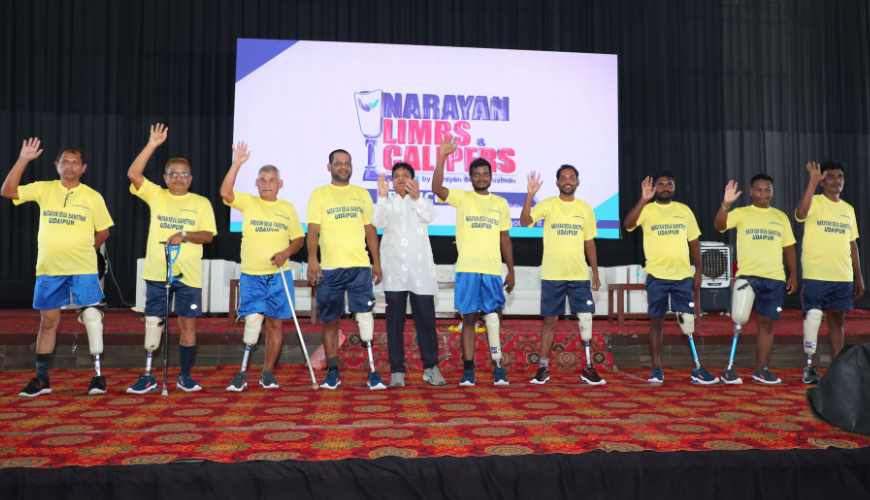
A prosthetic limb does more than replace a missing body part. It helps individuals regain the ability to move, work, learn, and participate in society.
This is what makes artificial limb donation different from many other forms of healthcare assistance.
Rather than addressing a temporary need, mobility support often provides benefits that continue for years.
Recipients frequently experience improvements in:
- Independence
- Mobility
- Employment opportunities
- Social participation
- Emotional well-being
These long-lasting outcomes explain why artificial limb donation is often considered a transformative healthcare investment.
Restoring Everyday Functionality
Many people living with limb loss face challenges performing routine activities.
Simple tasks such as walking, traveling, shopping, or attending appointments may require significant effort without proper mobility support.
Through artificial limb donation, recipients gain access to prosthetic devices that help them perform daily activities with greater ease.
Increased Mobility
A prosthetic limb can improve movement and allow individuals to navigate their environments more independently.
Greater Self-Reliance
Many recipients become less dependent on caregivers and family members for assistance.
Improved Participation
Enhanced mobility encourages involvement in education, employment, and community activities.
The ability to regain everyday functionality is one of the most important benefits of artificial limb donation.
The Economic Benefits of Prosthetic Limb Donation
The impact of prosthetic limb donation extends beyond healthcare and into economic empowerment.
Many individuals with limb loss possess valuable skills and talents but face mobility-related barriers that limit their opportunities.
A prosthetic limb can help recipients:
- Return to work
- Pursue education
- Participate in vocational training
- Start businesses
- Support their families
By improving mobility, artificial limb donation helps create opportunities for financial independence and long-term stability.
This contributes not only to individual success but also to stronger families and communities.
Supporting Emotional Well-Being
Physical recovery is only one aspect of rehabilitation.
Many individuals experience emotional challenges after limb loss, including reduced confidence and concerns about independence.
Access to a prosthetic limb often helps improve:
Self-Confidence
Greater mobility allows recipients to participate more actively in daily life and social situations.
Motivation
Individuals may feel encouraged to pursue new goals and opportunities.
Optimism
Improved independence often creates a more positive outlook on the future.
These emotional benefits are another reason why artificial limb donation is considered one of the most impactful healthcare donations.
The Importance of Rehabilitation
A successful mobility journey involves more than receiving a prosthetic device.
Rehabilitation programs help individuals adapt to their new limbs and maximize their independence.
These programs often include:
- Physical therapy
- Walking and mobility training
- Strength-building exercises
- Balance improvement
- Ongoing support and adjustments
Combining prosthetic care with rehabilitation significantly enhances the outcomes of artificial limb donation and helps recipients achieve lasting success.
How Narayan Sewa Sansthan Is Making an Impact
Narayan Sewa Sansthan has dedicated decades to supporting differently-abled individuals through healthcare, rehabilitation, and mobility initiatives.
By helping provide prosthetic limbs and rehabilitation services, Narayan Sewa Sansthan enables beneficiaries to regain independence and improve their quality of life.
The organization's work demonstrates how artificial limb donation can create meaningful and sustainable change for individuals facing mobility challenges.
Many supporters choose to contribute because they recognize the transformative impact that mobility support can have on a person's future.
Through its continued efforts, Narayan Sewa Sansthan helps empower individuals to overcome barriers and pursue new opportunities.
Why People Choose to Donate Prosthetic Leg Support
Modern donors increasingly seek opportunities where their contributions create visible and lasting outcomes.
Programs that allow individuals to donate prosthetic leg support provide a direct way to help someone regain mobility and independence.
Donors often choose these initiatives because they:
- Restore movement
- Promote self-reliance
- Improve quality of life
- Support rehabilitation
- Create long-term opportunities
The measurable impact of prosthetic limb donation makes it one of the most meaningful forms of healthcare philanthropy.
The Ripple Effect of Mobility Support
The benefits of artificial limb donation extend far beyond the individual recipient.
When someone regains mobility:
- Families experience reduced caregiving responsibilities
- Communities benefit from increased participation
- Employers gain productive workers
- Society becomes more inclusive
This ripple effect amplifies the value of every contribution and demonstrates how mobility-focused healthcare donations can create widespread positive change.
Looking Toward the Future
Advancements in prosthetic technology continue to improve comfort, functionality, and accessibility.
However, millions of people still lack access to the mobility support they need.
Continued investment in artificial limb donation programs will remain essential for ensuring that more individuals can benefit from modern prosthetic care and rehabilitation services.
As awareness grows, more donors have the opportunity to support initiatives that create lasting improvements in health, independence, and quality of life.
Conclusion
Healthcare donations play an important role in improving lives, but few forms of philanthropy offer the long-term benefits of artificial limb donation. By restoring mobility, supporting rehabilitation, and creating opportunities for independence, prosthetic support empowers individuals to rebuild their lives and pursue their goals.
The impact of prosthetic limb donation extends beyond physical recovery, helping recipients achieve greater confidence, economic stability, and social inclusion.
Organizations such as Narayan Sewa Sansthan continue to make a significant difference through their commitment to mobility and rehabilitation programs.
Whether you choose to contribute financially, advocate for awareness, or donate prosthetic leg support through trusted initiatives, your involvement can help transform lives and create a lasting legacy of empowerment and hope.
