Why Are Waxes Important in Cosmetics and Personal Care?
Author : jack leo | Published On : 22 Jul 2026
Introduction
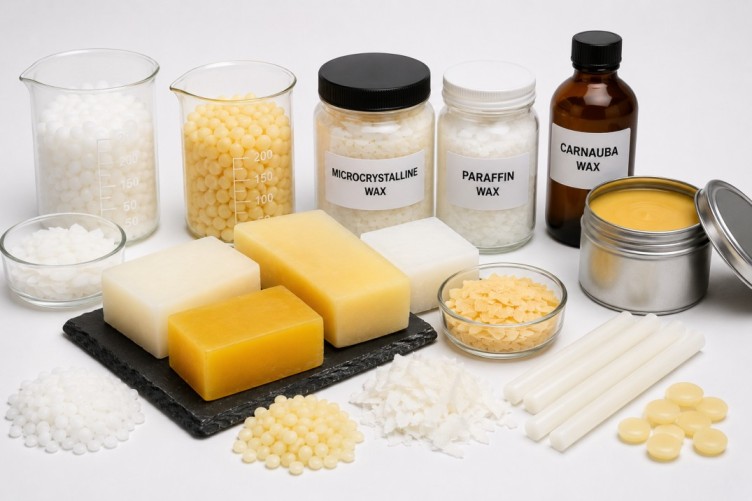
Waxes are important in cosmetics and personal care because they help improve texture, structure, stability, smoothness, protection, and product feel. From lip balms and creams to lotions, sticks, salves, hair products, and skincare formulas, waxes help create products that are easier to apply, more stable during storage, and more pleasant to use.
The Waxes category supports cosmetic and personal care formulation where natural and synthetic waxes are used to control hardness, melting behaviour, gloss, spreadability, and protective performance.
What Role Do Waxes Play in Cosmetics?
Cosmetic products need the right balance of softness, firmness, texture, and stability. Waxes help create this balance by adding body and structure to formulations.
They are commonly used in:
-
Lip balms
-
Creams and lotions
-
Body butters
-
Hair styling products
-
Mascara and colour cosmetics
-
Deodorant sticks
-
Salves and ointments
-
Skincare balms
-
Protective creams
Without waxes, many cosmetic products would be too thin, unstable, oily, runny, or difficult to apply.
How Do Waxes Improve Product Texture?
Texture is one of the main reasons waxes are used in personal care. A good cosmetic product should feel smooth, spread evenly, and stay consistent during use.
Waxes can help make a cream feel richer, a balm feel smoother, and a stick product hold its shape. They also help reduce watery or greasy textures by giving the formula more structure.
For example, beeswax may add body and a natural feel, while carnauba wax can increase hardness and shine. Softer waxes may improve spreadability, while harder waxes can improve shape and firmness.
Why Are Waxes Useful in Lip Balms and Sticks?
Lip balms, deodorants, solid perfumes, and cosmetic sticks need enough hardness to remain solid, but they must also soften during application. Waxes help create this controlled melting and glide.
A formula with too little wax may collapse, melt too easily, or feel greasy. A formula with too much wax may feel hard, drag on the skin, or become difficult to apply.
This is why formulators adjust wax type and level carefully to achieve the right balance between structure and comfort.
How Do Waxes Help with Skin Protection?
Many waxes form a light protective layer on the skin. This layer can help reduce moisture loss, improve smoothness, and protect the skin surface from dryness.
In skincare products, waxes may support:
-
Barrier protection
-
Soft skin feel
-
Moisture retention
-
Smoother application
-
Improved product hold
-
Better texture stability
This makes waxes useful in balms, creams, ointments, cold-weather skincare, hand care, and protective personal care products.
How Do Waxes Work with Fragrance Ingredients?
Many cosmetic and personal care products include fragrance or aroma components. Waxes can help support fragrance release, product texture, and formula stability, especially in solid perfumes, balms, creams, and scented sticks.
The Aroma Chemicals category connects with this area because fragrance and formulation ingredients must be selected carefully to support scent quality, product consistency, and stable performance.
When waxes and aroma ingredients are used together, formulators need to check compatibility, odour balance, melting point, and storage stability.
Why Are Waxes Important for Cosmetic Packaging?
Some wax-based personal care products need suitable containers that protect texture, prevent contamination, and support easy use. Creams, balms, salves, and solid cosmetic products are often stored in jars, pots, or small containers.
The Cosmetic jar category supports packaging needs for creams, jars, pots, and personal care products where appearance, protection, and practical storage matter.
Good packaging helps preserve the formula and improves the user experience. A product may have a strong formulation, but poor packaging can still cause leakage, contamination, drying, or messy handling.
How Does Accurate Handling Improve Cosmetic Formulation?
Cosmetic formulas often require careful measuring of waxes, oils, liquids, fragrance ingredients, and active materials. Small changes in quantity can affect final texture, hardness, and stability.
The Liquid Handling category supports accurate measuring, dispensing, dosing, filling, and transferring of liquids in laboratory and production workflows.
Accurate handling is especially important when preparing trial batches, scaling up formulas, or adjusting wax-oil ratios for better texture and performance.
How Are Waxes Tested in Personal Care Formulas?
Before a cosmetic product is approved, formulators need to check whether it stays stable and performs as expected. Waxes affect melting point, hardness, viscosity, spreadability, appearance, and storage behaviour.
The Measuring Instruments category supports testing and monitoring workflows where weight, temperature, viscosity, pH, density, and other measurements may be important.
Testing helps confirm whether a wax-based formulation remains smooth, stable, and usable under normal storage and handling conditions.
Why Is Clean Processing Important?
Cosmetic and personal care products must be prepared in clean conditions to reduce contamination risk. Waxes, oils, jars, mixing tools, and filling equipment should be handled carefully during formulation and packaging.
The Cleaner & Care category supports cleaning and maintenance workflows where work surfaces, tools, glassware, and equipment need to stay clean and ready for reliable use.
Clean processing helps protect product quality and improves consistency between batches.
What Should Formulators Check Before Choosing a Wax?
Before selecting a wax, formulators should review the final product goal.
Melting Point
The wax should remain stable during storage but soften correctly during application.
Hardness
Harder waxes improve structure, while softer waxes improve flexibility and skin feel.
Compatibility
The wax should blend well with oils, butters, fragrance ingredients, pigments, and active materials.
Appearance
Colour, odour, gloss, and clarity can affect the final product.
Skin Feel
The wax should support smooth application without making the product too greasy, sticky, or hard.
Stability
The formula should resist separation, graininess, melting, cracking, or texture changes.
Common Wax Formulation Problems
Wax-based cosmetic products can fail if the formulation is not balanced correctly.
Common issues include:
-
Grainy texture
-
Product melting too quickly
-
Balm becoming too hard
-
Poor spreadability
-
Fragrance instability
-
Separation of oils
-
Weak structure
-
Cloudy appearance
-
Inconsistent batches
Small trial batches and stability testing can help identify these problems before full production.
Conclusion
Waxes are important in cosmetics and personal care because they improve texture, structure, stability, skin feel, protection, and product performance. They help creams feel richer, balms stay smooth, sticks hold their shape, and protective products form a useful barrier on the skin.
The right wax depends on the product type, melting point, hardness, compatibility, fragrance needs, packaging style, and stability requirement.
By choosing suitable waxes, measuring ingredients accurately, using clean formulation practices, and testing product performance, cosmetic and personal care manufacturers can create smoother, more stable, and more reliable products.
