Why Are the Stones Around Your Fireplace Surround Becoming Loose?
Author : Claus Chimney Pros | Published On : 03 Nov 2026
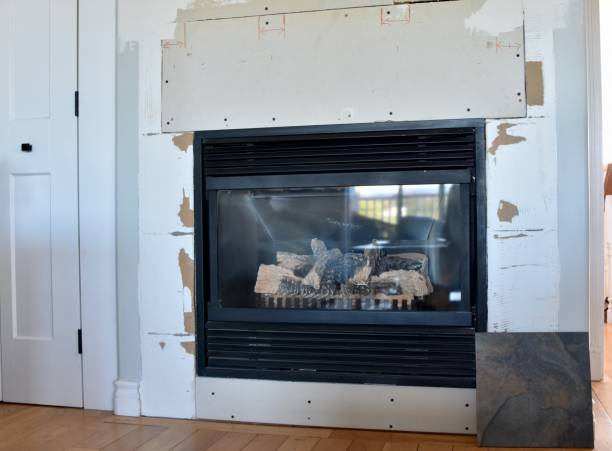
A fireplace adds warmth, comfort, and style to a home. The stones around the fireplace surround also play an important role in its overall appearance. Whether your fireplace has a natural stone, brick, or decorative stone finish, the surrounding materials help create a strong and attractive focal point. However, over time, you may notice that some stones are becoming loose, shifting out of place, or separating from the surface.
Loose fireplace stones should not be ignored. Even a small gap between stones can become a bigger problem if the underlying issue is not addressed. Changes in temperature, moisture, aging mortar, and poor installation can all affect how well the stones stay attached. Understanding the reasons behind this problem can help you take the right steps to protect your fireplace and avoid more expensive repairs.
In this guide, we will explain why the stones around your fireplace surround become loose, what warning signs to look for, and how professional repairs can help restore the safety and appearance of your fireplace.
Common Reasons Why Fireplace Surround Stones Become Loose
Several factors can cause the stones around a fireplace to lose their grip. Some problems develop slowly, while others may happen because of sudden damage or changes in the surrounding structure.
1. Heat and Temperature Changes
Fireplaces are regularly exposed to high temperatures, especially during colder months. When the fireplace heats up, the surrounding materials expand. As they cool down, they contract again. This repeated movement can put pressure on the mortar and adhesive holding the stones in place.
Over time, this constant expansion and contraction may weaken the bond between the stones and the surface behind them. You may notice small gaps, loose edges, or stones that move slightly when touched.
Using the fireplace regularly without checking its condition can allow this damage to become worse. A professional inspection can help identify whether heat exposure has affected the surrounding materials.
2. Deteriorating Mortar
Mortar holds many stone fireplace surrounds together. It fills the spaces between individual stones and helps create a stable structure. However, mortar does not last forever. Age, heat, moisture, and normal wear can cause it to crack, crumble, or lose its strength.
When mortar starts breaking down, the stones may no longer have enough support. Some stones may begin shifting, while others may develop visible gaps around their edges.
If you notice loose mortar or small pieces falling from the fireplace surround, it is worth having the area inspected. Replacing damaged mortar and securing affected stones can help prevent further movement.
3. Moisture and Water Damage
Moisture is another common reason fireplace stones become loose. Water can enter through damaged chimney flashing, cracks in the chimney structure, roof leaks, or other openings. Once moisture reaches the fireplace surround, it can affect the mortar and materials behind the stones.
Repeated exposure to water may weaken the bonding materials and cause them to break apart. In colder conditions, trapped moisture can freeze and expand, putting additional pressure on the surrounding materials.
Look for warning signs such as water stains, damp patches, discoloration, crumbling mortar, or a musty smell. These signs may indicate a moisture problem that needs attention beyond the visible fireplace surface.
4. Poor Installation
The quality of the original installation can also affect how long fireplace stones remain secure. If the wrong adhesive or mortar was used, or the surface was not prepared correctly, the stones may not have a strong bond.
Incorrect spacing, uneven surfaces, and insufficient support can also lead to movement over time. In some cases, stones may start coming loose only a few years after installation.
Professional repair may involve removing unstable stones, preparing the surface properly, and using suitable materials to secure them again.
5. Structural Movement Around the Fireplace
Homes naturally experience some movement as building materials settle and respond to changes in temperature and moisture. However, significant movement can place stress on a fireplace surround.
If the wall behind the fireplace shifts, develops cracks, or experiences settlement, the stones attached to it may also become loose. Wide cracks, uneven stone placement, and repeated separation may indicate a deeper issue.
In this situation, simply adding new mortar may not solve the problem. The underlying cause should be identified before repairs begin.
Warning Signs That Your Fireplace Surround Needs Attention
Loose stones are not always easy to notice at first. Some may shift only slightly, while others may become visibly separated from the surrounding surface.
Watch for these common warning signs:
-
Stones that move or wobble when lightly touched.
-
Cracks appearing between individual stones.
-
Mortar that looks cracked, powdery, or missing.
-
Small pieces of stone or mortar falling near the fireplace.
-
Gaps forming between the stones and the wall.
-
Stones that appear uneven or have started sticking out.
-
Water stains or discoloration around the fireplace.
If you notice any of these problems, avoid pulling, pushing, or attempting to remove the loose stones yourself. A professional can check the condition of the surround and determine whether the damage is limited to a few stones or affects a larger section.
Can You Repair Loose Fireplace Stones Yourself?
Minor cosmetic issues may sometimes appear simple to fix, but loose fireplace stones can indicate a problem beneath the surface. Applying ordinary glue or filling visible gaps with new mortar may not provide a lasting solution.
Before starting any repair, it is important to understand what caused the stones to become loose. If moisture is responsible, the water entry point must be addressed. If the mortar has deteriorated, the damaged material may need to be removed and replaced. If the wall or supporting structure has moved, that issue should be evaluated first.
Professional repairs may include:
-
Removing loose or damaged stones carefully.
-
Cleaning away old and deteriorated mortar.
-
Checking the surface behind the stones for damage.
-
Identifying moisture problems or structural movement.
-
Applying suitable bonding materials.
-
Repositioning and securing the stones properly.
-
Restoring damaged joints for a clean finish.
For safety, avoid using the fireplace until a professional has checked any significantly loose stones, especially if the damage is near the firebox or other heat-exposed areas.
How Professional Fireplace Renovation Can Help
When several stones become loose or the fireplace surround shows signs of aging, a larger renovation may be a better option than repairing individual sections. A professional assessment can help determine whether the existing stonework can be restored or whether some parts need replacement.
A proper renovation focuses on both appearance and functionality. It may involve repairing damaged masonry, replacing worn materials, improving the finish, and addressing problems that could affect the fireplace over time.
Professional fireplace renovation services can help restore the appearance of an outdated fireplace while addressing visible damage. The right approach depends on the condition of the existing surround, the type of stone, and the reason the materials have become loose.
A fireplace renovation can also improve the overall look of your living space. Updated stonework, repaired joints, and a cleaner finish can make the fireplace a more attractive feature in your home.
How to Prevent Fireplace Stones from Becoming Loose Again
Although some wear is unavoidable, regular care can help reduce the chances of future damage. Homeowners should pay attention to small changes around the fireplace instead of waiting until stones begin falling away from the surface.
- Here are some simple maintenance steps to follow:
-
Schedule regular inspections: Have your fireplace and chimney checked to identify loose stones, cracked mortar, and other signs of deterioration.
-
Control moisture problems: Check for roof leaks, damaged flashing, and water entering through the chimney structure.
-
Avoid excessive heat exposure: Follow the fireplace manufacturer's operating instructions and avoid using unsuitable fuels.
-
Check mortar joints: Look for missing, cracked, or crumbling mortar around the stones.
-
Address small problems early: Repair minor damage before it affects larger sections of the fireplace surround.
-
Keep the fireplace clean: Remove dust and debris using cleaning methods suitable for the stone material.
Another important step is to pay attention to the overall condition of your chimney. Problems such as water leaks, damaged masonry, and deteriorating chimney components can affect the fireplace surround as well.
Can Fireplace Renovation Improve Your Home's Value?
A well-maintained fireplace can make a home more attractive to potential buyers. It often serves as a central feature in the living room, adding character and creating a welcoming atmosphere.
However, loose stones, cracked mortar, and visible damage can make the fireplace look neglected. These issues may also raise concerns about maintenance and possible repair costs.
Restoring the fireplace can improve its appearance and help maintain the condition of the surrounding structure. Depending on the home's condition and the quality of the renovation, it may also support its overall appeal in the property market.
You can learn more about how chimney renovations can boost home value and why maintaining your chimney and fireplace is a worthwhile investment.
When Should You Contact a Fireplace Professional?
You should arrange a professional inspection if you notice stones moving out of position, large cracks, missing mortar, or signs of moisture around your fireplace. Damage that continues to return after previous repairs also needs further investigation.
Homeowners looking for fireplace repair in Elizabeth should consider a professional assessment to understand the extent of the damage and choose the right repair approach. Local support is available through Fireplace Repair Elizabeth, helping homeowners address fireplace problems before they become more serious.
A professional can inspect the stonework, check the surrounding masonry, and recommend whether minor repairs or a complete renovation would be more suitable.
Final Thoughts
Loose stones around your fireplace surround can result from temperature changes, deteriorating mortar, moisture damage, poor installation, or structural movement. While the problem may initially seem like a minor cosmetic issue, ignoring it can lead to further damage and more expensive repairs.
Regular inspections and timely maintenance can help keep your fireplace in good condition. If you notice shifting stones, cracked joints, or missing mortar, it is best to have the problem checked before it spreads.
With professional care and the right repair methods, you can restore your fireplace's appearance, improve its condition, and enjoy a more attractive living space for years to come.
