Why Are Security Seals for Containers Essential for Global Trade Compliance?
Author : HitokaCece HitokaCece | Published On : 10 Aug 2026
Introduction
In over two decades of working in international trade and logistics, I have seen the regulatory landscape transform dramatically. What was once a best practice has become a legal requirement. Today, security seals for containers are not optional—they are essential for global trade compliance. Customs programs around the world, including C-TPAT in the United States and AEO in the European Union, require the use of high-security seals that meet or exceed ISO 17712 standards. Failure to comply can result in delayed shipments, customs penalties, invalidated insurance claims, and damaged business relationships. Shandong Shengtang Intelligent Technology Co., Ltd. manufactures disposable security seals that meet ISO 17712 and C-TPAT requirements, including bolt seals, cable seals, and other high-security sealing solutions. Having worked with importers, exporters, and logistics providers on compliance issues, I have seen the consequences of inadequate sealing practices. In this article, I want to explain why security seals for containers are essential for global trade compliance and what you need to do to stay compliant.
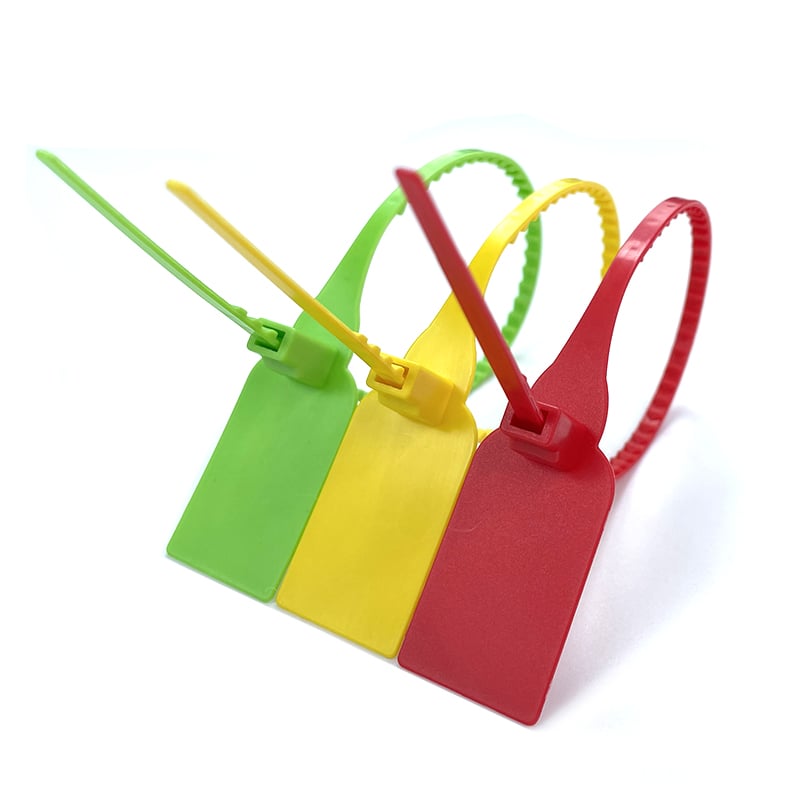
Container Security Seal ISO 17712 Classification Requirements
The foundation of container security seal compliance is the ISO 17712 classification system. This international standard defines three classes of seal strength: "I" for Indicative, "S" for Security, and "H" for High Security. For containerized cargo moving in international trade, C-TPAT requires the use of "H" class high-security seals. These seals must achieve a tensile strength of over 10 kilonewtons and must be tested by independent third-party laboratories to validate their classification. The high-security requirement is not arbitrary—it is based on the need to prevent unauthorized access to containers carrying goods in international commerce. The ISO mechanical seal standard ISO 17712:2013, which relates to evidence of tampering, has come into full effect and is mandatory for all U.S. Customs C-TPAT Program members. When selecting container security seals, ensure that they are clearly marked with their ISO classification and that the classification has been validated by independent testing. I have worked with importers who assumed their seals were compliant, only to discover during a customs audit that they were not. The consequences included delayed shipments, fines, and a damaged compliance record. Verifying ISO 17712 compliance is not optional—it is essential.
Container Security Seal Application and Documentation Best Practices
Even with the right seals, compliance requires proper application and documentation. Seals must be applied immediately upon completion of container stuffing, before the container leaves the point of origin. The seal number must be recorded on the shipping documents, including the bill of lading, and must be included in the electronic data transmitted to customs. The seal must be inspected upon arrival to verify that it is intact and that the number matches the documentation. Any discrepancy must be investigated immediately. This documentation creates a chain of custody that demonstrates the cargo has not been tampered with during transit. Failure to properly document seals can result in customs delays and fines. I have worked with logistics providers who implemented rigorous seal documentation procedures and dramatically reduced customs delays and compliance issues. The documentation is not just paperwork—it is proof of compliance and a defense against liability claims.
Container Security Seal Consequences of Non Compliance
The consequences of non-compliance with container sealing requirements can be severe. A compromised or non-compliant seal can invalidate insurance claims, leaving the shipper responsible for the full value of lost or damaged cargo. Customs penalties can add thousands of dollars to the cost of a shipment. Delays caused by seal issues can disrupt supply chains, leading to lost sales and damaged customer relationships. In some cases, repeated non-compliance can result in loss of C-TPAT or AEO certification, which can have long-term consequences for a company's ability to trade internationally. I have worked with companies that experienced all of these consequences because they failed to take container sealing seriously. The cost of compliance—a few dollars per seal—is negligible compared to the cost of non-compliance. Investing in high-quality, compliant security seals and proper seal management procedures is not just about following the rules—it is about protecting your business from significant financial and reputational risk.
Conclusion
Security seals for containers are essential for global trade compliance, and understanding the requirements is critical for any company involved in international shipping. By selecting high-security seals that meet ISO 17712 "H" classification standards, applying them properly and documenting the seal number, and ensuring that seals are inspected upon arrival, you can maintain compliance with customs programs like C-TPAT and AEO. In an era of increasing regulatory scrutiny and supply chain security threats, compliant container sealing is not just a requirement—it is a competitive advantage that demonstrates your commitment to security and integrity.
