Why Are Plastic Jars a Practical Choice for Controlled Storage?
Author : jack leo | Published On : 20 Aug 2026
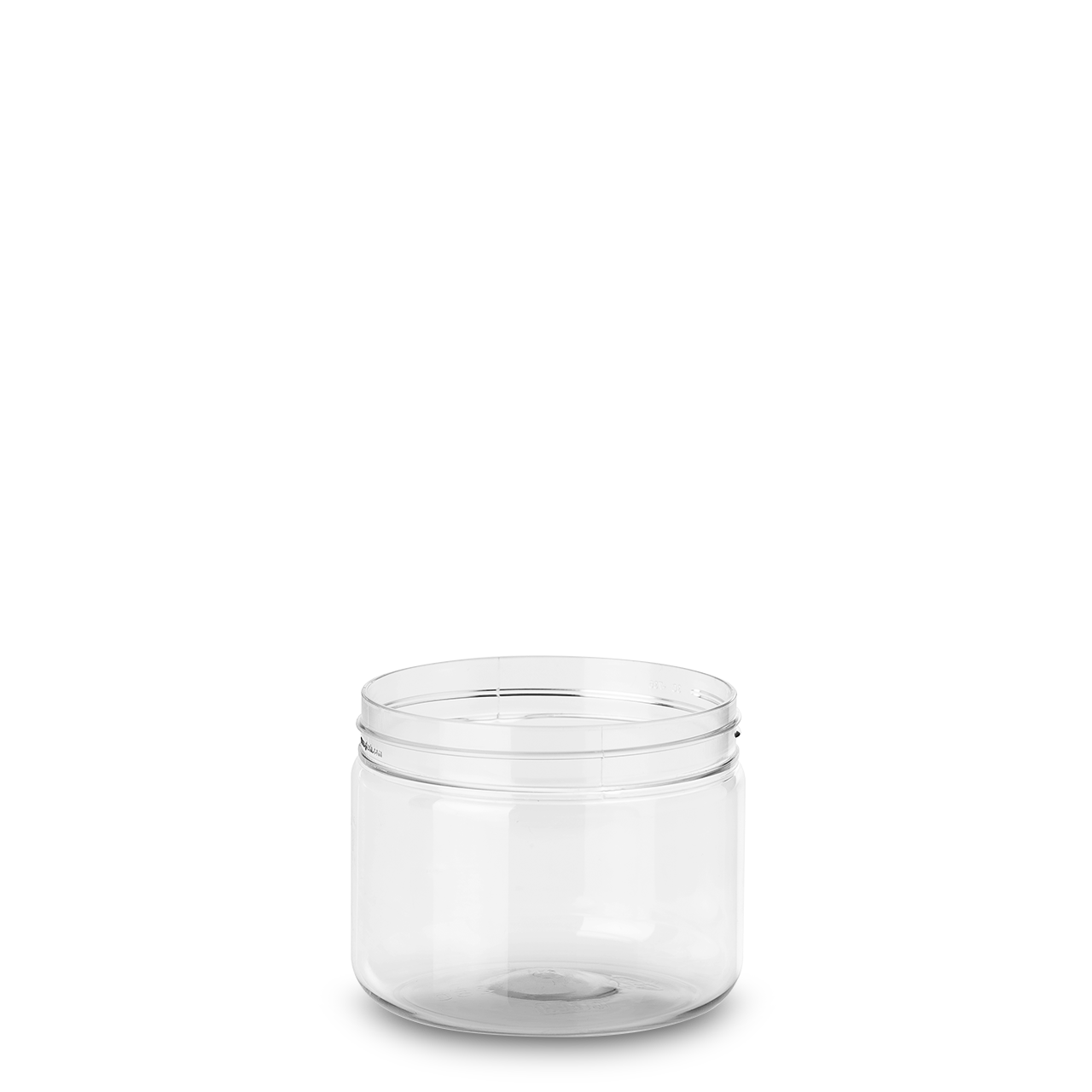
Lightweight Containers for Organised Filling, Handling and Distribution
Packaging decisions affect far more than appearance. The correct container must accommodate the product’s physical properties, remain compatible with its contents and support efficient filling, closing, labelling and transport. AlliedChemi’s Plastic Jars category provides polypropylene container formats for storing and packaging selected powders, granules, pastes, samples and other compatible materials.
Available capacities and closure designs allow businesses to match the container to the quantity being handled. However, material type and volume should never be considered in isolation. Product compatibility, tamper evidence, opening dimensions and distribution conditions all contribute to reliable packaging performance.
What Makes Plastic Jars Useful?
Plastic jars combine a wide opening with a comparatively lightweight construction. The opening makes it easier to fill and remove materials that may not pass efficiently through a narrow bottle neck. This can be useful for powders, tablets, granules, thick compounds and products retrieved with a scoop or spatula.
Their lower weight can simplify manual handling and reduce the weight of completed cartons. Plastic construction also removes the breakage risk associated with glass, although jars may still crack, deform or lose their seal if exposed to unsuitable substances, temperatures or impact.
Plastic jars can potentially support:
- Laboratory sample organisation
- Dry chemical and ingredient storage
- Granular or powdered materials
- Industrial pastes and compounds
- Small-component packaging
- Product development and retention samples
- Controlled batch quantities
- Compatible food, cosmetic or pharmaceutical applications
- Workshop and manufacturing consumables
These are potential uses rather than automatic approvals. Buyers must confirm the jar’s material specification and regulatory status for their exact application.
Why Is Polypropylene Commonly Used?
The current plastic-jar selection includes containers made from polypropylene, commonly abbreviated as PP. This polymer provides a useful combination of low weight, rigidity and resistance to many everyday substances. It is therefore frequently considered for packaging products that require a practical and reusable container format.
Polypropylene is not resistant to every chemical. Strong oxidising agents, selected hydrocarbons, essential oils, solvents and concentrated formulations may affect the container or closure. The severity of an interaction can depend on concentration, temperature, contact time and mechanical stress.
Compatibility trials should evaluate the complete filled package for:
- Softening, swelling or distortion
- Stress cracking around the neck
- Colour or odour transfer
- Weight loss through permeation
- Closure loosening
- Product contamination
- Surface staining
- Reduced impact strength
- Changes after warm or cold storage
A general material-resistance chart may help with preliminary selection, but it should not replace testing with the actual product.
How Does Tamper-Evident Packaging Support Control?
Some packaging workflows require visible evidence that a container may have been opened. Products within the Can of Originality range include threaded and slip-lid polypropylene formats designed for use with tamper-evident closure arrangements.
Tamper evidence can strengthen stock control, batch handling and customer confidence by showing that a closure system has been disturbed. It is particularly valuable when products pass through several storage, distribution or handling stages.
However, tamper-evident does not necessarily mean child-resistant, airtight, leakproof or approved for dangerous goods. These are separate performance characteristics that must be confirmed individually. The tamper feature should also remain clearly visible after filling, packing and transportation.
Should You Choose a Threaded or Slip-Lid Jar?
The preferred closure style depends on how frequently the product will be accessed and the level of control required.
Threaded jars use rotational engagement between the container and cap. They can support repeatable opening and closing, provided that the threads, sealing surfaces and applied torque are appropriate. Operators should avoid both under-tightening, which can compromise the seal, and excessive tightening, which may damage the closure or make it difficult to open.
Slip-lid containers use a press-fit closure. They can be efficient where fast filling and closing are priorities, but the fit must remain secure throughout handling. Product trapped around the rim can prevent full engagement, so the sealing surface should be inspected before closing.
The wider Closures category can help packaging teams compare closure types for compatible cans, bottles, buckets and canisters. Where other container systems require opening evidence, suitable options may also be evaluated within Originality Lock. Thread size, neck finish and material compatibility must always be checked before combining separately sourced components.
How Should the Correct Capacity Be Selected?
Choosing a jar purely by its stated volume can produce filling and sealing problems. Nominal volume does not necessarily represent the safe working fill for every substance. Powders may settle, pastes may trap air and warm-filled products may expand or contract as their temperature changes.
The Plastic Jars range includes sizes suited to different workflows, from compact containers to jars exceeding one litre. Buyers should compare capacity with opening diameter, external dimensions, product density and required headspace.
A suitable selection review should address:
- Target net weight or volume
- Product density and settling behaviour
- Required headspace
- Filling nozzle or scoop dimensions
- Closure depth inside the jar
- Label space
- Carton dimensions
- Pallet arrangement
- Manual handling requirements
- Quantity used during each opening
Smaller jars can support portion control and reduce repeated exposure of the remaining stock. Larger formats may reduce the number of containers required but can become less convenient when the contents are dense or used in small quantities.
How Can Filling and Closing Be Standardised?
Repeatable packaging depends on a documented process. Empty jars should be inspected for damaged rims, contamination, deformation and moulding defects before filling. The product should then be transferred under conditions appropriate to its viscosity, dust level and contamination sensitivity.
A controlled filling procedure may define:
- Jar and closure inspection criteria
- Product temperature
- Tare-weight method
- Target fill quantity
- Acceptable filling tolerance
- Headspace requirement
- Rim-cleaning procedure
- Closure application method
- Torque or press-fit verification
- Final visual inspection
For products sold or controlled by weight, an appropriate balance can confirm net content. Jar tare variation should be considered when setting up the weighing procedure.
Hot filling, steam exposure, freezing and sterilisation should never be assumed safe simply because the container is polypropylene. The precise jar, lid and tamper feature must be validated for the intended process conditions.
Why Is Clear Labelling Essential?
A secure container becomes difficult to manage if its contents cannot be identified confidently. Labels may need to communicate the product name, batch number, fill date, expiry or retest date, quantity, storage conditions and hazard information.
The Marking category provides access to labelling and identification solutions for laboratory, warehouse and industrial environments. The selected label should adhere to the jar surface and tolerate expected exposure to moisture, oils, chemicals and temperature variation.
Before production, teams should test labels on the filled container. A label that adheres to a clean, empty jar may lift after exposure to dust, condensation or oily product residues. Barcodes and small text should also remain readable after transport and routine handling.
What Testing Should Be Completed Before Distribution?
Filled-container testing should reproduce the conditions that the package may experience during storage and delivery. A jar that performs correctly on a stationary shelf may behave differently when stacked, vibrated or exposed to changing temperatures.
A packaging validation programme may include:
- Upright and inverted leakage checks
- Closure-retention testing
- Drop and impact assessment
- Carton compression trials
- Vibration testing
- Warm and cold storage
- Temperature cycling
- Label-adhesion checks
- Tamper-feature inspection
- Product compatibility monitoring
Ordinary plastic jars must not be used to ship regulated dangerous goods unless the complete packaging system carries the required approval for that substance, quantity and transport method. Businesses handling regulated materials should compare purpose-designed Bottles and Containers Approved for Transport and verify all applicable transport requirements.
When Is Another Container Format More Suitable?
Plastic jars are effective when wide access is important, but another container type may deliver better performance in certain workflows.
Products that must be poured or dispensed through a controlled opening may be better matched to Plastic Bottles. Larger quantities may require containers from the Plastic Buckets range, particularly where handles and greater working capacities are needed.
Glass may be preferred when visibility, a different barrier profile or heat performance is required. Suitable Canning Jars can be compared for applications that specifically require compatible glass containers and closure systems. Nevertheless, glass should not automatically be considered chemically or thermally suitable without product-specific verification.
The broader Cans and Jars category allows buyers to compare plastic, cosmetic and canning formats before choosing a packaging direction.
What Should Buyers Confirm Before Ordering Plastic Jars?
A focused purchasing review should cover:
- Jar material and colour
- Nominal and practical filling capacity
- External and opening dimensions
- Threaded or slip-lid design
- Closure and tamper-feature compatibility
- Chemical-resistance requirements
- Filling and storage temperatures
- Required certifications or declarations
- Labelling area and surface condition
- Pack quantity and production demand
- Transport and secondary packaging
- Waste, reuse and recycling arrangements
Food, pharmaceutical and cosmetic applications may require specific declarations, migration testing and regulatory documentation. A container’s shape or material alone does not establish suitability for these regulated uses.
Building a Dependable Plastic-Jar Packaging Process
Plastic jars offer a lightweight and accessible storage format for many compatible materials. Their value comes from combining a suitable polypropylene body with the correct capacity, closure, tamper feature and identification system.
Reliable results require more than selecting a convenient size. Formula compatibility, headspace, filling accuracy, closure application and transport performance should be tested as one complete system. When these factors are properly validated, plastic jars can support organised storage, efficient handling and consistent product presentation across laboratory and industrial workflows.
