Why are intramedullary nails preferred for limb fracture treatment?
Author : HitokaCece HitokaCece | Published On : 08 Jun 2026
Long bone fractures of limbs are frequent orthopedic injuries. The choice of internal fixation devices directly affects healing speed and limb function recovery. Intramedullary nails including pfna nails and humeral nails have become mainstream solutions for limb fracture surgery. Understanding their clinical advantages helps medical buyers and hospitals make rational procurement decisions.
Intramedullary Nail Central Fixation Structure
Intramedullary nails adopt intramedullary central fixation mode, which is different from traditional external plate fixation. The nail body is placed inside the medullary cavity of long bones, bearing the main stress of limbs. This central stress bearing mode disperses force evenly and greatly reduces the risk of postoperative deformation and angulation. Products such as pfna nails and humeral nails are optimized for femur humerus and other parts. The overall structure is streamlined to adapt to the anatomical shape of long bones. The locking screw system fixes the nail body and fracture segments firmly, avoiding displacement during patient movement.
Intramedullary Nail Minimally Invasive Advantage
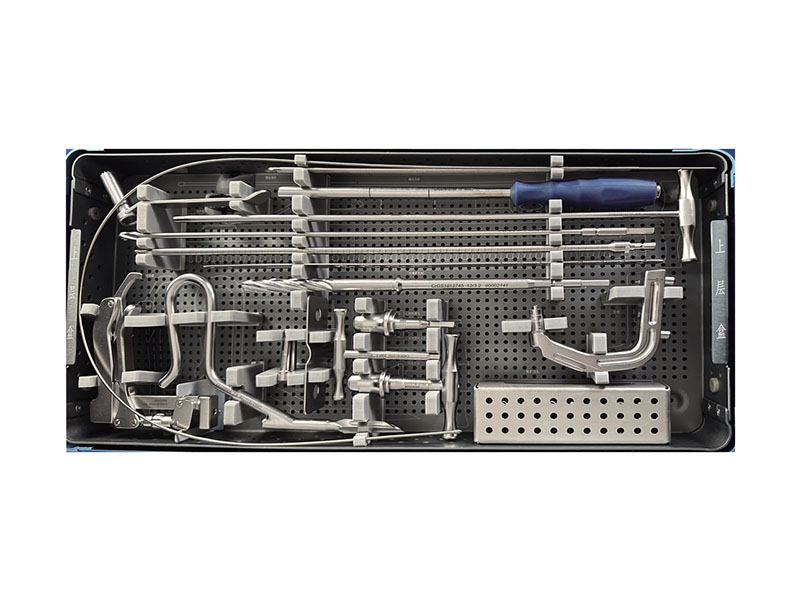
Most intramedullary nail operations adopt minimally invasive surgical approaches. Small surgical incisions reduce trauma to soft tissues and muscles around fractures. It lowers intraoperative blood loss and postoperative pain of patients. The recovery cycle is shortened obviously compared with traditional open surgery. The brand designs dedicated surgical instruments matched with intramedullary nails, ensuring accurate implantation. The surface of nail body is processed smoothly to reduce friction with bone cavity. For elderly patients and patients with poor physical tolerance, minimally invasive implantation brings higher safety.
Intramedullary Nail Postoperative Rehabilitation Effect
Reasonable structural design creates good conditions for early rehabilitation. After operation, patients can carry out gradual weight bearing and functional exercises earlier. It prevents joint stiffness muscle atrophy and other complications caused by long term bed rest. All intramedullary nails are made of medical titanium alloy with high toughness and fatigue resistance. They can withstand repeated stress during rehabilitation exercises. Multiple specifications cover femur humerus tibia and other long bones. Complete quality inspection ensures long term stable use after implantation.
