Why Are Bees Gathering Around Your Eaves and Roof Tiles?
Author : Bees Melbourne | Published On : 13 Nov 2026
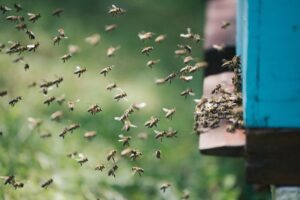
Noticing bees gathering around your eaves or roof tiles can be a sign that they have found a suitable place to shelter or establish a nest. While a few bees flying around the roof may not indicate a serious problem, regular activity near the same opening deserves attention.
Melbourne homes can provide several features that attract bees, including sheltered roof spaces, small gaps in eaves, wall cavities and protected areas beneath tiles. Understanding why bees are gathering in these locations can help homeowners decide whether the activity is temporary or whether a colony may be establishing itself inside the property.
Why Do Bees Gather Around Roof Tiles?
Roof spaces can offer bees protection from rain, wind and direct sunlight. Small gaps beneath roof tiles or along the edges of roofing materials may provide access to sheltered areas where a colony can develop.
When scout bees locate a suitable nesting location, they may return with other bees. If the location meets the colony's needs, the bees may begin establishing a nest nearby.
Common reasons bees gather around roof tiles include:
-
Shelter: Roof cavities offer protection from changing weather conditions.
-
Suitable entry points: Small openings around tiles, flashing and roofing joints can provide access.
-
Protection from disturbance: Elevated roof spaces are often less exposed to people and pets.
-
Available nesting space: Cavities can provide room for a colony and its developing honeycomb.
-
Nearby food sources: Gardens, flowering plants and trees may provide nectar and pollen.
Repeated activity around one particular roof section may indicate that bees are investigating or using an opening.
Why Are Bees Flying Around Your Eaves?
Eaves are another common area where bees may gather. The underside of a roof can contain small gaps, joints and sheltered spaces that make suitable entry points.
If bees are repeatedly flying towards the same section of an eave, they may be entering a cavity behind the external surface. You might notice individual bees approaching the opening, disappearing inside and returning a short time later.
This pattern can be different from general garden activity, where bees move between flowers and plants without consistently visiting one location.
Homeowners should avoid blocking the opening or disturbing the bees. Sealing an active entry point can trap bees inside the structure and potentially cause them to find another way into the building.
Signs That Bees May Be Building a Hive in Your Roof
Not every group of bees near a roof means a hive is present. However, several signs may suggest that a colony has started nesting.
Repeated Flight Towards One Opening
One of the clearest signs is consistent movement towards a particular gap beneath a roof tile or along an eave. Bees may follow a similar flight path throughout the day.
Increased Bee Activity
A growing number of bees entering and leaving the same location may indicate that a colony is becoming established. Activity can change depending on the weather and time of day.
Buzzing Sounds Inside the Roof
A persistent buzzing sound coming from a ceiling or roof cavity may suggest activity within the structure. However, other insects or environmental noises can produce similar sounds, so identification is important.
Visible Swarming Behaviour
A temporary cluster of bees around a roof edge or nearby branch may be a swarm looking for a new nesting location. A swarm does not always mean that bees have entered the roof, but it should be observed from a safe distance.
Do Bees Prefer Certain Types of Roof Spaces?
Bees may investigate different roof structures depending on the available shelter and access points. Older homes can have gaps around roofing materials, while newer properties may still have openings around vents, flashing or other structural features.
Areas worth observing include:
-
Gaps between roof tiles and fascia boards.
-
Openings around roof vents and pipes.
-
Spaces beneath loose or damaged roofing materials.
-
Joints where eaves meet external walls.
-
Small gaps around roof flashing.
These locations can provide access to enclosed spaces. However, homeowners should not climb onto the roof or remove tiles to investigate suspected bee activity.
Can Bees Cause Problems Inside Roof Cavities?
An established hive inside a roof cavity can create several practical concerns. As a colony develops, bees may build honeycomb and store honey within the available space.
If the hive is left inside the structure, honeycomb can become a concern when the colony dies or moves away. Honey may leak into insulation or ceiling materials, potentially causing staining, unpleasant odours and attracting other insects.
A hive may also become more difficult to access if it grows behind roofing materials or inside an enclosed cavity. Early professional assessment can help determine the location and extent of the activity before more complicated access work is required.
What Should You Do If Bees Are Gathering Around Your Roof?
If you notice repeated bee activity around your eaves or roof tiles, take a cautious approach.
-
Observe the bees from a safe distance.
-
Note the exact area where they appear to enter or gather.
-
Keep children and pets away from the active location.
-
Avoid spraying chemicals or using smoke to disturb the bees.
-
Do not block gaps or attempt to remove roof tiles.
-
Arrange a professional assessment if activity continues or a hive is suspected.
A professional bees inspection Melbourne service can help identify the species, assess the nesting location and determine whether removal or another management approach is appropriate.
Why Professional Bee Identification Matters
Different bee species have different nesting habits, and not all bees require removal. Some native Australian bees are important pollinators and may be harmless when left undisturbed.
Correct identification helps determine whether the activity involves honeybees, native bees or another insect. It also helps establish whether the bees are forming a permanent colony or simply investigating the area.
For example, carpenter bees may use timber for nesting, while honeybees can establish colonies in enclosed roof cavities. The appropriate response depends on the species and the condition of the nesting site.
Can You Prevent Bees From Returning to Your Roof?
Preventative maintenance can reduce the number of potential nesting entry points around a property. Once any active colony has been appropriately managed, homeowners can consider:
-
Repairing damaged roof tiles and loose roofing materials.
-
Maintaining fascia boards and eaves.
-
Checking roof vents and external openings.
-
Repairing gaps around pipes and roof fixtures.
-
Keeping roof areas in good structural condition.
Any repairs to an active nesting area should be completed only after the bees have been safely managed. Blocking an opening while bees are still inside can make the situation more complicated.
When Should You Arrange Professional Bee Removal?
If bees continue gathering around the same section of your roof, regularly enter a gap or appear to be forming a colony, professional advice is recommended. A technician can assess the activity and explain the safest way to manage it.
The required work may involve identifying the species, locating the nest, assessing access to the roof cavity and determining whether honeycomb removal is necessary. The final approach will depend on the property and the type of bees involved.
If you are noticing similar activity in other parts of Melbourne, professional services may also be available for bees removal East Melbourne and bees removal Box Hill.
Keep Your Roof Space Safe and Protected
Bees gathering around eaves and roof tiles may simply be exploring a sheltered area, but repeated activity around one opening can indicate that a colony is establishing itself. Paying attention to their movement and avoiding disturbance can help prevent unnecessary risks.
If you suspect bees have entered your roof, arrange a professional assessment rather than attempting to investigate the cavity yourself. Correct identification and an appropriate removal plan can help address the activity while considering the safety of occupants and the bees.
