White Background Product Photography & Product Photography Pricing: A Practical Guide for Brands
Author : Aarti Rane | Published On : 21 Apr 2026
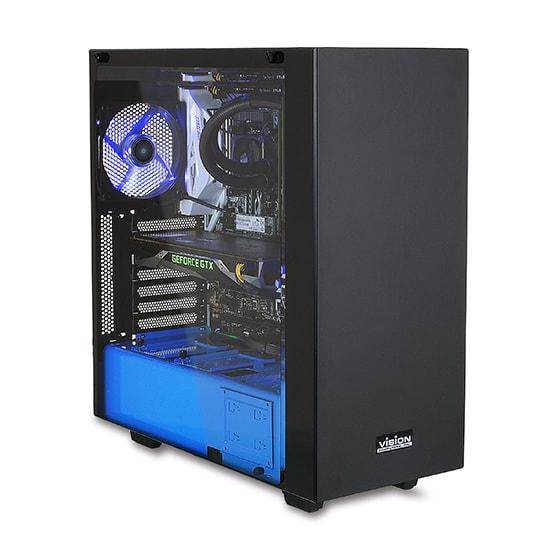
In today’s competitive online marketplace, product visuals can make or break a sale. Clean, crisp, and distraction-free images are no longer optional—they’re essential. Combined with a clear understanding of photography pricing, businesses can create a strong visual identity while staying within budget.
What is White Background Product Photography?
White background product photography is a style where products are photographed against a pure white backdrop. This technique removes distractions and places full focus on the product itself.
Why is it so popular?
E-commerce ready: Platforms like Amazon and Flipkart often require white backgrounds
Professional appearance: Clean visuals boost credibility.
Consistency: Helps maintain a uniform catalog look.
Easy editing: Simplifies retouching and background adjustments.
This style is widely used across industries—fashion, electronics, cosmetics, and more—because it highlights product details clearly and effectively.
How Does White Background Photography Work?
While it may look simple, achieving perfect white background images requires skill and proper setup.
Key elements include:
- Lighting setup: Softbox lights or diffused lighting eliminate shadows
- Background material: Seamless white paper or acrylic surfaces
- Camera settings: Proper exposure to avoid overexposure or dull tones
- Post-processing: Editing tools ensure the background is pure white (#FFFFFF)
Professional photographers focus on balancing light and shadows to create sharp, appealing images that look natural—not flat.
What Factors Influence Product Photography Pricing?
Understanding product photography pricing helps businesses plan their budgets effectively.
1. Number of Products
The more items you need photographed, the more cost-effective it becomes per image. Bulk projects often receive discounted rates.
2. Complexity of the Shoot
Simple white background shots cost less
Styled shoots with props and models cost more
3. Editing Requirements
Basic retouching is usually included, but advanced editing (like reflections, shadows, or composites) may increase the price.
4. Photographer’s Experience
Highly experienced professionals charge more due to their expertise, equipment, and portfolio quality.
5. Location
Studio shoots are generally cheaper
On-location shoots may add travel and setup costs
Typical Pricing Models
Product photography pricing can be structured in different ways:
- Per Image Pricing
- Ideal for small businesses
- Cost ranges from affordable to premium depending on quality
- Per Hour or Day Rate
- Suitable for large shoots
- Gives flexibility for multiple products
- Package Pricing
- Bundled services (shoot + editing)
Often the best value for e-commerce brands
How to Choose the Right Option?
- When selecting a photography service, consider:
- Your brand needs: Basic vs premium visuals
- Platform requirements: Marketplace guidelines
- Budget: Balance cost with quality
- Turnaround time: Faster delivery may cost extra
Don’t just go for the cheapest option—low-quality images can hurt sales more than they save money.
Final Thoughts
Background product photography remains the gold standard for clean, professional product images. It enhances clarity, builds trust, and aligns perfectly with modern e-commerce needs. At the same time, understanding photography pricing ensures you invest wisely without compromising quality.
By choosing the right approach and photographer, you can create visuals that not only look great but also convert viewers into customers.
