When Should You Visit a Physiotherapist in Chhatrapati Sambhajinagar? 10 Warning Signs You Shouldn't
Author : Dr. Kalyani Toshniwal Modani | Published On : 20 Jul 2026
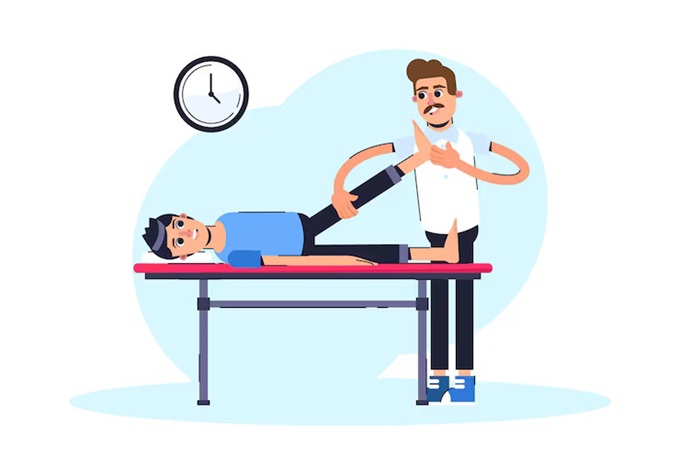
Many people ignore pain, stiffness, or reduced mobility, assuming these problems will resolve on their own. While minor aches may improve with rest, persistent discomfort or movement limitations often indicate an underlying issue that requires professional attention. Delaying treatment can allow the condition to worsen, making recovery longer and more challenging.
Consulting a Physiotherapist in Chhatrapati Sambhajinagar at the right time can help identify the root cause of your symptoms, reduce pain, restore movement, and prevent future complications. Physiotherapy is a safe, evidence-based approach that focuses on improving function through manual therapy, therapeutic exercises, movement education, and personalized rehabilitation programs.
In this guide, we'll discuss 10 warning signs that indicate it's time to visit a physiotherapist, explain why early treatment matters, describe what happens during your first consultation, and answer frequently asked questions.
Why Early Physiotherapy Matters
Many musculoskeletal and neurological conditions respond better when treated early. Seeking physiotherapy before symptoms become severe can:
- Reduce pain more effectively
- Prevent chronic problems
- Improve mobility and flexibility
- Speed up recovery after injury
- Reduce dependence on pain medication
- Lower the risk of surgery in some conditions
- Help you return to work, sports, and daily activities sooner
Early intervention also helps identify movement problems before they lead to long-term joint or muscle damage.
1. Persistent Pain That Lasts More Than a Few Days
Occasional muscle soreness after physical activity is normal. However, pain that continues for several days or keeps returning should not be ignored.
Common Causes
- Muscle strain
- Ligament injury
- Poor posture
- Joint dysfunction
- Tendon injuries
- Early arthritis
Symptoms
- Constant back pain
- Neck pain
- Shoulder pain
- Knee pain
- Hip pain
How Physiotherapy Helps
A Physiotherapist in Chhatrapati Sambhajinagar will identify the source of pain and develop a personalized treatment plan that may include:
- Manual therapy
- Stretching exercises
- Strengthening programs
- Posture correction
- Movement retraining
2. Reduced Mobility or Difficulty Moving
If you're finding it difficult to bend, walk, climb stairs, or move your joints normally, physiotherapy can help restore movement.
Warning Signs
- Difficulty reaching overhead
- Trouble getting up from a chair
- Limited shoulder movement
- Difficulty bending forward
- Stiff joints
Treatment Options
- Joint mobilization
- Flexibility exercises
- Functional movement training
- Progressive strengthening
3. Numbness or Tingling in the Arms or Legs
Numbness or tingling may indicate nerve irritation or compression and should be assessed promptly.
Possible Causes
- Sciatica
- Herniated disc
- Cervical radiculopathy
- Peripheral nerve compression
Symptoms
- Pins and needles
- Burning sensation
- Weakness
- Pain radiating into the arms or legs
How Physiotherapy Helps
Treatment may include:
- Nerve mobilization exercises
- Posture correction
- Core strengthening
- Manual therapy
- Education on movement modifications
Important: Sudden numbness or weakness, especially when accompanied by facial drooping, speech difficulty, or loss of bladder/bowel control, requires immediate emergency medical evaluation.
4. Sports Injuries That Affect Performance
Whether you're a professional athlete or enjoy recreational sports, injuries should be evaluated early to prevent further damage.
Common Sports Injuries
- Muscle strains
- Ligament sprains
- Tendinitis
- Runner's knee
- Tennis elbow
- Ankle sprains
Physiotherapy Treatment
- Sports-specific rehabilitation
- Balance training
- Strength development
- Return-to-sport programs
- Injury prevention strategies
Early rehabilitation often reduces downtime and helps prevent recurring injuries.
5. Frequent Headaches Caused by Neck Problems
Not all headaches originate in the head. Poor posture and neck dysfunction can contribute to cervicogenic headaches.
Symptoms
- Pain starting in the neck
- Headaches after desk work
- Reduced neck movement
- Shoulder tightness
Treatment
A physiotherapist may recommend:
- Neck mobility exercises
- Manual therapy
- Postural correction
- Ergonomic advice
- Strengthening exercises
Persistent or severe headaches should also be evaluated by a medical doctor to rule out other causes.
6. Stiffness After a Fracture or Cast Removal
After a fracture heals, stiffness and muscle weakness are common due to immobilization.
Common Problems
- Joint stiffness
- Muscle weakness
- Swelling
- Difficulty walking
- Reduced flexibility
Physiotherapy Goals
- Restore movement
- Improve strength
- Reduce stiffness
- Improve balance
- Return to normal activities safely
Following the rehabilitation plan consistently can significantly improve recovery.
7. Balance Problems or Frequent Falls
Poor balance increases the risk of injury, especially in older adults.
Causes
- Neurological conditions
- Inner ear disorders
- Muscle weakness
- Joint problems
- Stroke
Warning Signs
- Feeling unsteady while walking
- Frequent stumbling
- Fear of falling
- Difficulty standing on one leg
Physiotherapy Treatment
- Balance exercises
- Walking training
- Strengthening
- Coordination exercises
- Fall prevention education
8. Recovery After Surgery
Many surgeries require structured rehabilitation to achieve the best possible outcome.
Common Surgeries
- Knee replacement
- Hip replacement
- ACL reconstruction
- Rotator cuff repair
- Spine surgery
Physiotherapy Focus
- Pain management
- Mobility restoration
- Muscle strengthening
- Walking retraining
- Functional recovery
Starting rehabilitation at the appropriate time, as advised by your surgeon and physiotherapist, can improve long-term results.
9. Work-Related Pain
Long hours of sitting, repetitive movements, or physically demanding jobs can lead to musculoskeletal problems.
Common Workplace Issues
- Neck pain
- Lower back pain
- Wrist pain
- Shoulder pain
- Postural fatigue
Physiotherapy Can Help By
- Improving posture
- Teaching ergonomic techniques
- Prescribing stretching routines
- Strengthening weak muscles
- Preventing recurring pain
Small changes in workplace ergonomics combined with exercise can make a significant difference.
10. Chronic Joint Pain
Joint pain lasting more than a few weeks should be professionally evaluated.
Common Causes
- Osteoarthritis
- Rheumatoid arthritis
- Previous injuries
- Overuse
- Joint degeneration
Symptoms
- Morning stiffness
- Swelling
- Reduced mobility
- Pain while walking
- Difficulty climbing stairs
Physiotherapy Treatment
- Joint mobility exercises
- Strengthening programs
- Activity modification
- Low-impact exercise
- Pain management strategies
Regular physiotherapy can help improve function and reduce discomfort even in long-term conditions.
What Happens During Your First Physiotherapy Consultation?
Many people are unsure what to expect during their first visit to a Physiotherapist in Chhatrapati Sambhajinagar. A typical consultation includes:
1. Medical History
Your physiotherapist will ask about:
- Your symptoms
- Medical conditions
- Previous injuries or surgeries
- Medications
- Lifestyle and activity level
2. Physical Examination
This may include:
- Posture assessment
- Joint movement testing
- Muscle strength evaluation
- Balance assessment
- Walking analysis
- Functional movement tests
3. Diagnosis and Goal Setting
Based on the assessment, the physiotherapist will explain:
- The likely cause of your symptoms
- Factors contributing to the problem
- Short-term and long-term goals
4. Personalized Treatment Plan
Your plan may include:
- Manual therapy
- Therapeutic exercises
- Stretching
- Strengthening
- Balance training
- Home exercise program
- Ergonomic and lifestyle advice
How Personalized Treatment Improves Recovery
Every patient is different. Factors such as age, occupation, activity level, medical history, and personal goals influence recovery.
A personalized physiotherapy plan helps by:
- Addressing the root cause of symptoms
- Progressing exercises at the right pace
- Reducing the risk of re-injury
- Monitoring improvement regularly
- Adjusting treatment as your condition changes
This individualized approach often leads to better long-term outcomes than generic exercise programs.
Tips to Prevent Future Injuries
- Exercise regularly.
- Maintain good posture while sitting and standing.
- Stretch before and after physical activity.
- Strengthen your core muscles.
- Lift heavy objects correctly.
- Take movement breaks during prolonged sitting.
- Wear appropriate footwear.
- Follow your physiotherapist's home exercise recommendations.
Frequently Asked Questions
When should I visit a Physiotherapist in Chhatrapati Sambhajinagar?
You should consider visiting a physiotherapist if you have persistent pain, stiffness, reduced mobility, balance issues, recurring sports injuries, or difficulty performing daily activities.
Can physiotherapy help without surgery?
Many musculoskeletal conditions improve with physiotherapy, reducing pain and improving function. However, some conditions may still require surgery based on a doctor's evaluation.
Is physiotherapy only for injuries?
No. Physiotherapy also helps with chronic pain, neurological conditions, arthritis, posture correction, post-operative rehabilitation, and preventive care.
How many physiotherapy sessions will I need?
The number of sessions depends on your diagnosis, symptom severity, recovery goals, and how consistently you follow your home exercise program.
Can physiotherapy help with work-related neck and back pain?
Yes. Physiotherapists can identify posture and movement issues, recommend ergonomic adjustments, and prescribe exercises to reduce pain and prevent recurrence.
Is physiotherapy painful?
Some treatments or exercises may cause mild temporary discomfort, but therapy should be tailored to your tolerance and recovery goals. Always discuss any pain with your physiotherapist.
What should I wear to my appointment?
Wear loose, comfortable clothing that allows easy movement and provides access to the affected area if needed.
Can physiotherapy help older adults?
Yes. Physiotherapy can improve balance, mobility, strength, and independence while reducing the risk of falls and supporting healthy aging.
What should I bring to my first physiotherapy visit?
Bring any relevant medical records, imaging reports (such as X-rays or MRI scans if available), a list of medications, and wear comfortable clothing suitable for movement assessment.
How can I improve my recovery?
Attend your scheduled sessions, perform your prescribed home exercises, maintain good posture, stay physically active within your therapist's recommendations, and communicate openly about your progress or concerns.
Conclusion
Recognizing the early warning signs of musculoskeletal or neurological problems can make a significant difference in your recovery. Persistent pain, reduced mobility, numbness, balance issues, sports injuries, post-surgical weakness, or chronic joint pain should never be ignored. Consulting a qualified Physiotherapist in Chhatrapati Sambhajinagar allows for a thorough assessment, an accurate understanding of the problem, and a personalized rehabilitation plan designed to restore movement and improve quality of life.
The sooner you begin appropriate physiotherapy, the better your chances of preventing long-term complications, reducing pain, and returning to your normal activities with confidence. If you're experiencing any of the warning signs discussed in this article, consider scheduling a comprehensive physiotherapy assessment to take the first step toward a healthier, more active future.
Author: Dr. Kalyani Toshniwal Modani
Who We Are
Welcome to Advance Physiotherapy Clinic, where compassionate care meets cutting-edge physiotherapy and specialized back pain treatment. Led by Dr. Kalyani Toshniwal Modani, our clinic is committed to providing evidence-based, personalized treatment to help individuals regain strength, flexibility, and comfort in their daily lives. With a focus on holistic healing, we treat a wide range of musculoskeletal conditions through a combination of manual therapy, movement science, and advanced modalities.
We proudly offer state-of-the-art physiotherapy and chiropractic services, including therapies like dry needling, cupping, shock wave therapy, TECAR, and Class 4 laser, Whether you're recovering from an injury, managing chronic pain, or simply looking to improve your physical well-being, our goal is to support your journey with care that’s effective, empathetic, and tailored to you. Conveniently located in Vijay Nagar, we serve patients from nearby areas such as Seven Hills, Gajanan Maharaj Mandir Road, and CIDCO, ensuring expert physiotherapy is always within reach.
Contact Us
Advance Physiotherapy Clinic - Dr. Kalyani Toshniwal Modani
PLOT NO.73, VIJAY NAGAR, GAJANAN MAHARAJ MANDIR TO SEVEN HILLS ROAD, BELOW NATKHAT SHOP, GARKHEDA, Chhatrapati Sambhajinagar, Maharashtra, 431009, India
+91 84089 99939
https://advancephysiotherapyclinics.in/
