When Should You Calibrate a Torque Wrench? 7 Signs to Watch For
Author : Ncqc laboratory | Published On : 23 Sep 2026
A torque wrench is widely used in automotive, manufacturing, engineering, maintenance, and assembly work to tighten fasteners to a specified torque. Getting the torque right is important because both under-tightening and over-tightening can affect the performance and reliability of an assembly.
Like any measuring instrument, a torque wrench can lose accuracy over time. Regular use, wear, accidental damage, improper handling, and operating conditions can all affect its performance. Knowing when to have a torque wrench checked can help prevent inaccurate measurements and maintain consistent work quality.
Here are seven signs that your torque wrench may need verification or torque wrench calibration.
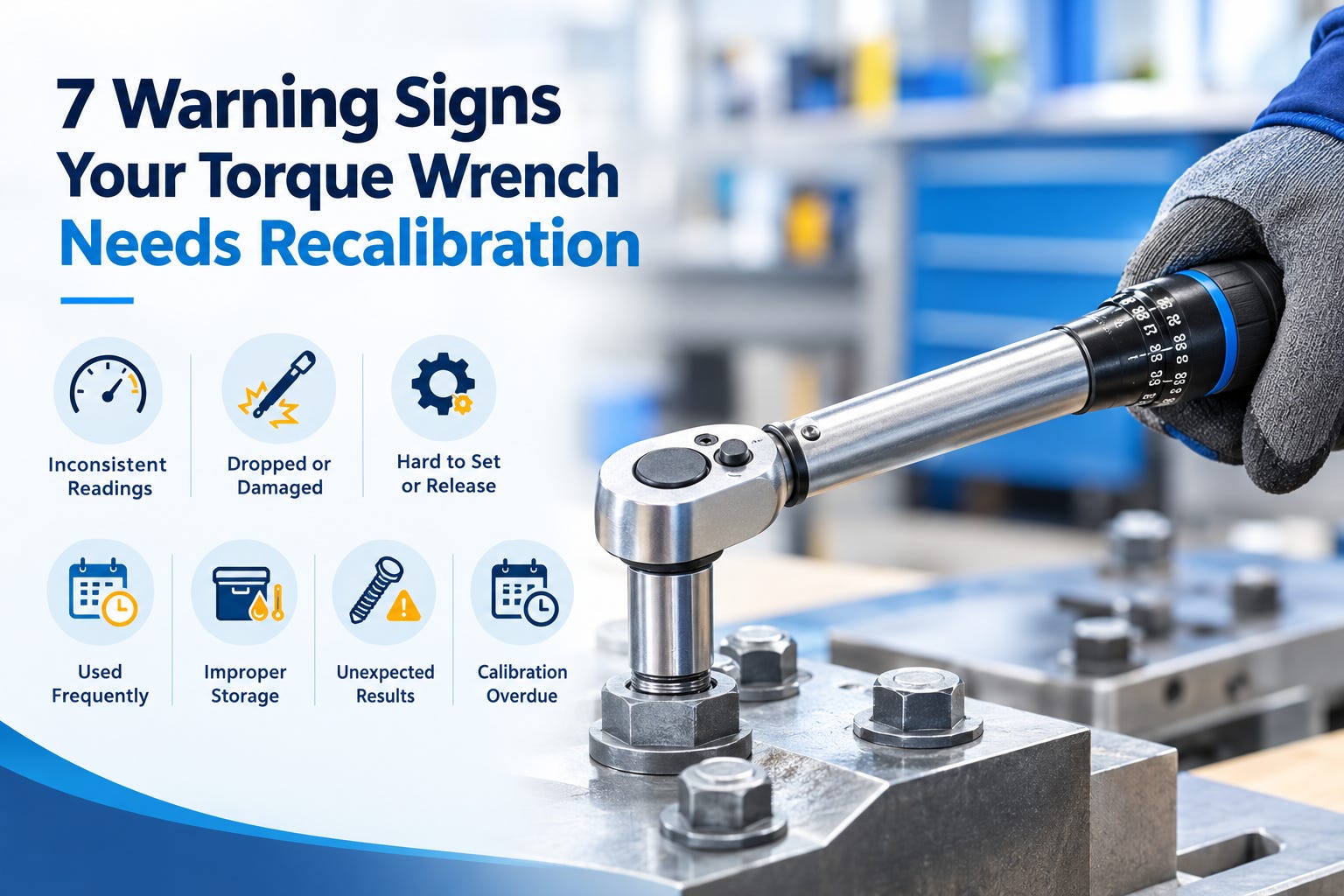
1. Inconsistent Torque Readings
If the same torque setting produces noticeably different results during repeated checks, it may be a sign that the wrench is no longer performing consistently.
Inconsistent readings can make it difficult to control the tightening process and may affect assembly quality. Verification or calibration can help determine whether the wrench is still operating within its required accuracy.
2. The Torque Wrench Has Been Dropped
A torque wrench that has been dropped or subjected to a significant impact should be checked before being used again. Even when there is no visible damage, an impact can affect internal components and measurement accuracy.
Following a significant drop or impact, verification or calibration can help confirm whether the instrument remains suitable for use.
3. Visible Damage or Excessive Wear
Regularly inspect the torque wrench for cracks, loose components, corrosion, damaged parts, or signs of excessive wear. These conditions may affect how the instrument operates and measures torque.
Physical inspection alone cannot always show whether the accuracy has changed. A proper calibration can provide documented information about the instrument’s measurement performance.
4. Unusual Mechanical Behaviour
Has the wrench started feeling different during use? Stiffness, looseness, irregular movement, or other unusual behaviour can indicate that the instrument needs attention.
If a torque wrench does not operate as expected, it is better to have it inspected before using it for applications where accurate torque is important.
5. Calibration Is Overdue
A torque wrench should be calibrated according to the organization’s calibration schedule, manufacturer recommendations, application requirements, and previous calibration history.
There is no single calibration interval that suits every torque wrench. Frequency of use, operating conditions, previous calibration results, and the importance of the measurement should all be considered when establishing an appropriate interval.
6. The Wrench Has Failed Verification
If an internal check or verification shows that the torque wrench is outside the specified acceptance limits, further evaluation may be required.
Calibration can determine the measurement deviation at defined torque points and provide documented results for quality records. If the instrument requires adjustment or repair, these activities may be performed separately from calibration.
7. It Is Used Frequently for Critical Applications
A torque wrench used regularly or for critical assembly work deserves particular attention. Frequent use can contribute to wear and changes in measurement performance over time.
Regular verification and calibration can help identify measurement changes and provide greater confidence in torque readings, especially when accurate tightening is important to product or process quality.
Conclusion
A torque wrench can appear to work normally even when its accuracy has changed. Inconsistent readings, significant impacts, visible damage, unusual operation, overdue calibration, failed verification, and frequent use in critical applications are important signs that should not be ignored.
Regular inspection, appropriate verification, and professional torque wrench calibration can help maintain reliable measurements and support consistent assembly and quality-control processes.
