When Should Measuring Instruments Be Calibrated? A Practical Guide
Author : Ncqc laboratory | Published On : 18 Nov 2026
Measuring instruments play an essential role in maintaining accuracy and quality across industrial operations, laboratories, and manufacturing processes. Instruments such as pressure gauges, temperature sensors, and weighing balances must provide reliable readings for effective decision-making. However, regular use, environmental conditions, and mechanical wear can affect their accuracy over time. Timely calibration helps maintain measurement reliability, prevent errors, and ensure consistent product quality.
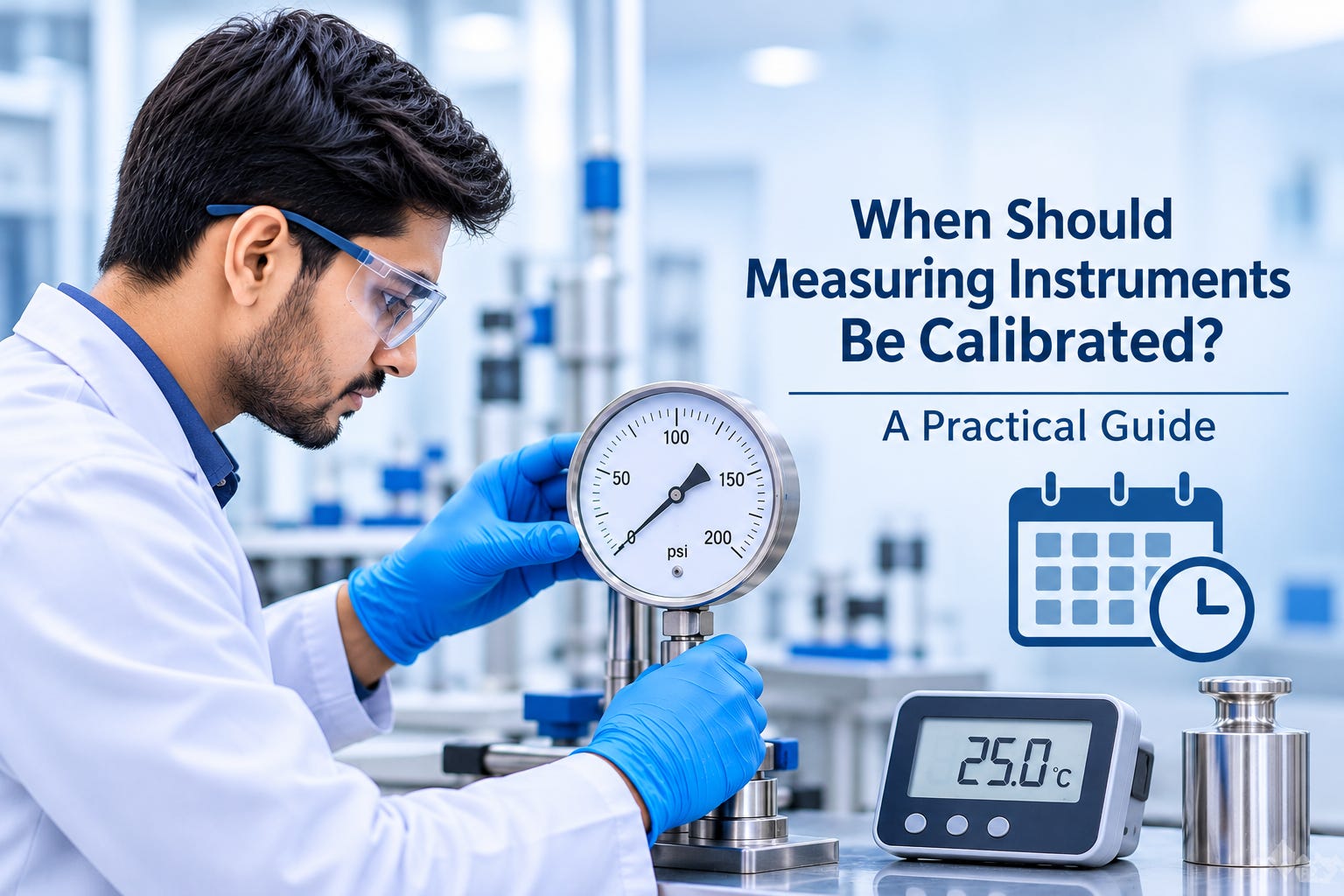
What Determines When Measuring Instruments Should Be Calibrated?
Several factors influence timing. The manufacturer’s recommended interval provides an initial reference, but organizations should also consider instrument usage, operating environment, and accuracy requirements.
Equipment exposed to high temperatures, humidity, vibration, dust, or frequent handling may need more frequent calibration. Previous results, including the size and direction of measurement deviations, help evaluate instrument stability and whether existing intervals remain suitable. Instruments used for critical measurements need closer monitoring because errors affect quality.
Key Situations When Measuring Instruments Require Calibration
Organizations should consider calibration in these situations:
· Before First Use: Newly purchased instruments should be checked for their intended use. Arrange calibration when needed before critical use. Organizations looking to purchase measuring and testing instruments can also explore NCQC’s measuring and testing instruments.
· At Scheduled Intervals: Follow a planned schedule based on usage, performance history, manufacturer guidance, and measurement risks.
· After Repair or Adjustment: Maintenance, component replacement, or adjustment can affect accuracy. Calibration determines whether the instrument meets required specifications.
· After Physical Damage: Equipment exposed to impact, mishandling, or abnormal conditions should be assessed before reuse.
· When Results Become Inconsistent: Unexpected readings, failed verification checks, or unexplained variations may indicate a performance change that requires investigation.
· Before Critical Measurements: Instruments used for critical testing or inspection should have a current calibration status to support reliable results.
How to Decide the Right Calibration Frequency
There is no universal calibration interval for every instrument. Determine suitable frequencies by considering instrument type, usage, operating conditions, historical performance, manufacturer recommendations, and consequences of errors.
A frequently used instrument in demanding conditions may need a shorter interval than equipment used occasionally under controlled conditions. Review calibration results and intermediate checks for recurring deviations. Adjust intervals when documented evidence supports a change. A written schedule, assigned responsibilities, and reminders help prevent overdue equipment from being used.
Warning Signs That an Instrument Needs Calibration
Unusual or fluctuating readings, failed verification checks, visible damage, measurements outside expected tolerances, and operating changes are reasons to investigate. A failed intermediate check may require more than calibration. Assess whether adjustment, repair, replacement, or recalibration is necessary. Until suitability is confirmed, restrict the instrument from critical measurement tasks.
Importance of Choosing a Reliable Calibration Laboratory
A suitable laboratory should have competent personnel, reference standards, procedures, and traceability. Organizations may choose an NABL-accredited laboratory when the required service falls within its accredited scope. Check the scope, measurement range, and uncertainty information to confirm suitability. Review and retain calibration certificates as part of equipment records.
Conclusion
Timely calibration supports dependable measurements, consistent product quality, and effective process control. By considering instrument use, environmental conditions, historical results, and measurement risks, organizations can establish suitable intervals and respond to warning signs. Working with a competent calibration laboratory helps maintain confidence in measurement results and supports effective equipment management.
