When Should a Homeowner Choose Chimney Rebuilding Instead of Repair?
Author : Claus Chimney Pros | Published On : 28 Oct 2026
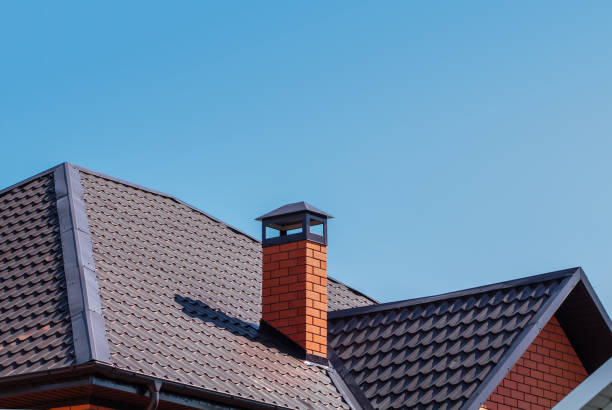
A chimney plays an important role in keeping a home warm, directing smoke outside, and supporting the safe operation of a fireplace or heating appliance. Over time, exposure to rain, snow, temperature changes, moisture, and regular use can weaken chimney materials. Small cracks, loose mortar joints, damaged bricks, and deteriorating masonry may develop gradually, making it important for homeowners to recognize problems before they become more extensive.
When chimney damage appears, one of the first questions homeowners face is whether a repair will be sufficient or whether the entire chimney, or a substantial portion of it, needs to be rebuilt. The answer depends on the chimney's structural condition, the extent of the damage, the materials involved, and whether previous repairs have addressed the underlying cause.
Chimney repair is often appropriate when the damage is limited to a particular area and the surrounding structure remains sound. However, rebuilding may be the better long-term solution when deterioration is widespread, the chimney is unstable, or essential components have suffered significant damage.
Understanding the differences between these options can help homeowners make informed decisions, protect their property, and maintain a safer fireplace system. A professional assessment from an experienced chimney contractor can determine the most suitable approach for the home's specific needs.
Understanding the Difference Between Chimney Repair and Rebuilding
Chimney repair and chimney rebuilding both address damage, but they differ in the amount of work required and the condition of the existing structure.
Chimney repair focuses on correcting specific problems while preserving most of the original chimney. For example, a contractor might replace a few damaged bricks, repair deteriorated mortar joints, seal appropriate masonry surfaces, or replace a damaged chimney cap. These solutions can be effective when the underlying structure remains stable.
Chimney rebuilding involves reconstructing a larger section of the chimney or, when necessary, the entire structure above the roofline or extending through the building. The contractor removes severely deteriorated materials and rebuilds the affected portion using suitable materials and construction methods.
Homeowners considering more extensive improvements can explore professional chimney renovation services. Depending on the chimney's condition, renovation may involve masonry restoration, component replacement, or substantial reconstruction.
The most appropriate option is not necessarily the one involving the least work initially. A minor repair may be sufficient for isolated damage, but repeatedly repairing a chimney with widespread structural problems can lead to additional expenses and ongoing safety concerns.
Signs That Chimney Rebuilding May Be Necessary
Not every chimney crack or damaged brick requires rebuilding. However, certain warning signs suggest that the deterioration may extend beyond the surface and require a more comprehensive solution.
1. Extensive Brick and Mortar Deterioration
Brick chimneys depend on strong masonry and properly maintained mortar joints to remain stable. Over time, moisture can penetrate porous materials, and repeated freezing and thawing can cause bricks to crack, flake, or break apart.
Mortar may also become loose, crumble, or separate from the surrounding bricks. When deterioration affects only a small area, repointing or replacing individual bricks may restore the masonry.
However, if numerous bricks are deteriorating across multiple sides of the chimney, the damage may indicate a more extensive problem. A contractor must determine whether the remaining masonry can safely support the structure or whether rebuilding a substantial section is necessary.
Rebuilding becomes more likely when the bricks have lost their integrity, mortar joints have deteriorated extensively, or earlier repairs have failed to restore structural stability.
2. A Leaning or Unstable Chimney
A chimney should remain properly aligned and securely supported. If it begins leaning, shifting, or separating from the surrounding structure, the issue deserves prompt professional attention.
A leaning chimney may indicate foundation movement, deteriorated masonry, damaged structural connections, or another underlying problem. The visible angle alone cannot establish the cause.
Small surface cracks may sometimes be repaired, but a chimney that has shifted significantly could require partial or complete rebuilding. Simply filling cracks without correcting the underlying movement will not resolve the structural concern.
Homeowners should avoid attempting to straighten or stabilize a visibly leaning chimney themselves. A qualified contractor should assess its condition and determine whether it can be safely repaired or needs reconstruction.
3. Large or Widespread Cracks
Hairline cracks can develop in chimney masonry because of normal weathering, temperature changes, and material movement. Some can be addressed through localized repairs after the cause has been identified.
Larger cracks, recurring cracks, or multiple cracks extending across the chimney may indicate more serious deterioration. Horizontal cracks, separation between the chimney and the house, and cracks accompanied by bulging masonry are particularly important warning signs.
If the cracking affects a substantial portion of the structure, rebuilding may provide a more appropriate solution than patching individual areas.
The contractor should also determine whether water intrusion, foundation movement, corrosion of internal components, or other conditions contributed to the damage. Addressing those causes is essential to prevent the same problem from returning.
4. Bulging or Separating Masonry
Bulging bricks or masonry that appears to push outward can indicate that the chimney has lost some of its structural integrity. Separation may also occur where the chimney meets the roof or exterior wall.
These problems should not be treated as cosmetic defects. They may result from moisture damage, failing mortar, structural movement, or deteriorated connections.
A contractor must assess whether the affected masonry can be stabilized or whether it needs to be dismantled and reconstructed. When large sections have shifted or become unstable, rebuilding may be necessary to restore the chimney's alignment and strength.
5. Repeated Repairs Have Not Solved the Problem
Repeated maintenance can extend the life of a chimney, but ongoing deterioration may indicate that earlier work addressed only the visible symptoms.
For example, homeowners might repeatedly pay to replace damaged bricks, fill cracks, or renew mortar joints. If similar damage continues to appear in different locations, the contractor should investigate the underlying cause.
Previous repairs may also have used unsuitable materials or failed to address persistent moisture intrusion. In some cases, the original masonry has deteriorated too extensively to support further localized repairs.
Before investing in another repair, ask a chimney professional to evaluate the entire structure. A partial rebuild may provide a better long-term solution when deterioration is concentrated in the upper chimney, while more extensive damage could justify a complete rebuild.
6. Significant Damage Following a Storm or Other Event
Severe weather, falling branches, lightning strikes, and earthquakes can damage chimney masonry or weaken its connections to the building.
After such an event, homeowners may notice displaced bricks, new cracks, loose chimney components, or visible changes in the structure's alignment. Damage may also exist in concealed areas that cannot be identified from the ground.
Minor damage can sometimes be repaired, but extensive displacement or structural instability may require rebuilding. A professional assessment can establish whether the existing masonry can be retained safely.
If the chimney appears unstable or pieces of masonry are falling, keep people away from the affected area and arrange a professional evaluation before using the fireplace.
When Is Chimney Repair Still the Better Choice?
Rebuilding is not necessary for every chimney problem. If the structure remains stable and the damage is localized, targeted repairs may be more practical and preserve more of the existing materials.
Common situations in which repair may be sufficient include:
-
Minor mortar deterioration: Repointing can renew damaged mortar joints when the bricks remain sound and the deterioration is limited.
-
A few cracked or damaged bricks: Individual bricks can be replaced when the surrounding masonry is stable.
-
A damaged chimney crown: A deteriorated crown may be repairable or replaceable without reconstructing the entire chimney.
-
Defective flashing: Repairing or replacing flashing can help stop water from entering around the roof-to-chimney connection.
-
A damaged chimney cap: Replacing a worn or broken cap may help prevent rain, debris, and animals from entering the flue.
The important distinction is whether the damage affects individual components or compromises the stability of the larger structure. An experienced contractor can identify which materials can be preserved and which require replacement.
Homeowners can also learn about common warning signs through this guide to signs that a chimney needs repair. Recognizing deterioration early can help prevent manageable maintenance issues from developing into more extensive structural problems.
Partial Chimney Rebuilding vs. Complete Chimney Rebuilding
When rebuilding is necessary, homeowners may not need to replace the entire chimney. The appropriate scope depends on how far the damage extends and whether the remaining structure is sound.
Partial Chimney Rebuilding
Partial rebuilding involves removing and reconstructing a damaged section while retaining masonry that remains structurally sound.
This approach is often considered when deterioration is concentrated above the roofline, where the chimney is particularly exposed to rain, wind, snow, and temperature fluctuations.
For example, if the upper section has widespread crumbling mortar and broken bricks but the lower structure is stable, a contractor may recommend rebuilding the upper portion.
The work must create a sound connection between the new masonry and the retained structure. Proper materials, construction details, flashing, and weather protection are important to the finished result.
Complete Chimney Rebuilding
Complete rebuilding may be necessary when structural deterioration extends throughout the chimney or when the existing structure cannot be safely restored through partial reconstruction.
This is a more extensive project because it may involve dismantling and rebuilding much of the chimney, coordinating work around the roof and interior, and ensuring that the flue system is appropriate for the intended appliance.
A complete rebuild may also be considered when extensive damage makes the retention of existing masonry impractical.
The contractor should explain why a full rebuild is necessary rather than a partial one. The assessment should consider the chimney's foundation, structural support, masonry, flue, and connections to the building, rather than focusing exclusively on visible damage.
How Moisture Contributes to Chimney Deterioration
Moisture is one of the most common contributors to chimney damage. Rain can enter through open mortar joints, cracks in the crown, damaged flashing, or an inadequately protected flue.
Once water penetrates the masonry, it can weaken mortar and damage porous bricks. In colder climates, repeated freezing and thawing can worsen existing defects. Condensation inside the flue may also contribute to deterioration, depending on the chimney's construction and use.
Homeowners should look for water stains near the fireplace, white mineral deposits on masonry, crumbling mortar, damaged roof flashing, and persistent dampness around the chimney.
These symptoms do not automatically mean rebuilding is necessary. The source of the moisture must be identified first. A localized leak may require a straightforward repair, while prolonged water intrusion that has weakened extensive sections of masonry may require reconstruction.
During rebuilding, appropriate materials and weatherproofing details help protect the restored structure. Addressing moisture entry is essential to reduce the risk of recurring damage.
Comparing the Cost of Repairing and Rebuilding a Chimney
Cost is an important consideration, but the cheapest initial option is not always the most economical over time.
Localized repairs generally involve less labor and fewer replacement materials than rebuilding. However, repeated repair bills can accumulate if the chimney continues to deteriorate or if the underlying structural problem remains unresolved.
Rebuilding usually requires more labor, material removal, masonry work, and coordination with roofing or other trades. The final price depends on the chimney's height, accessibility, extent of damage, materials, labor requirements, and whether the work affects the flue or interior structure.
Before making a decision, homeowners should request a written estimate that explains:
-
The damage identified during the inspection.
-
Whether the recommended work involves repair, partial rebuilding, or complete rebuilding.
-
Which existing materials can remain and which must be replaced.
-
The materials and construction methods proposed.
-
Whether flashing, the crown, the flue, or other components need attention.
-
Any permits, access equipment, or additional professional assessments required.
Comparing estimates based on the same scope of work can help homeowners understand the value of each proposal. The goal should be to restore the chimney's safety and function without replacing sound materials unnecessarily.
Why Professional Chimney Inspection Matters
Choosing between repair and rebuilding requires more than looking at the chimney from the ground. Some problems are visible on the exterior, while others involve the flue, internal masonry, roof connections, or structural support.
A professional inspection helps establish the extent of deterioration and identify the work needed to restore the chimney. Depending on the circumstances, the contractor may recommend further evaluation by a structural engineer, particularly when the chimney is leaning, separating from the building, or showing signs of foundation movement.
Homeowners should also discuss whether the chimney is suitable for continued use during the assessment and repair process. If structural instability or a flue defect creates a safety concern, stop using the fireplace until a qualified professional determines that it is safe.
For homeowners seeking local assistance, chimney services in Elizabeth provide a starting point for exploring available chimney maintenance and repair options in the area.
Regular inspections and timely maintenance can help identify deterioration before it becomes severe. Although not every chimney can be preserved through minor repairs, an informed assessment can help homeowners avoid unnecessary reconstruction while addressing serious problems appropriately.
How to Help Prevent Future Chimney Damage
Once a chimney has been repaired or rebuilt, regular maintenance can help protect the investment and extend the life of the structure.
Consider the following practices:
-
Schedule regular inspections: Have the chimney and fireplace system inspected according to professional recommendations and applicable safety guidance.
-
Keep the chimney cap in good condition: A suitable cap helps limit rain entry and prevents animals and debris from entering the flue.
-
Address water leaks promptly: Repair defective flashing, damaged crowns, and open masonry joints before moisture causes further deterioration.
-
Arrange chimney sweeping when needed: Remove accumulated soot and creosote as appropriate for the appliance and fuel type.
-
Monitor visible changes: Watch for new cracks, loose bricks, crumbling mortar, damp patches, or changes in chimney alignment.
-
Use appropriate materials: Ensure repairs and rebuilding use materials compatible with the existing masonry and the chimney's intended function.
Maintenance cannot eliminate every risk, particularly when a chimney is old or has experienced significant structural damage. However, it can help identify emerging problems and reduce the likelihood of repeated deterioration.
Frequently Asked Questions
1. How do I know if my chimney needs rebuilding instead of repair?
A chimney may need rebuilding when it has widespread brick deterioration, deep mortar damage, significant cracks, bulging masonry, or structural movement. If damage is limited to a few bricks or mortar joints and the structure remains stable, repairs may be sufficient. A professional inspection is necessary to determine the appropriate solution.
2. Can a leaning chimney be repaired without rebuilding?
It depends on the cause and severity of the movement. Minor defects that do not compromise structural stability may be repairable. However, significant leaning, shifting, or separation can indicate a serious structural problem that requires partial or complete rebuilding. The underlying cause must be addressed rather than simply filling visible cracks.
3. Is partial chimney rebuilding possible?
Yes. Partial rebuilding may be suitable when damage is concentrated in a specific section, such as the upper chimney above the roofline, and the remaining structure is sound. The contractor must ensure that the reconstructed section is properly connected to the retained masonry.
4. Does water damage always mean a chimney needs rebuilding?
No. Water damage can sometimes be corrected by repairing flashing, replacing a damaged crown, renewing mortar joints, or addressing other points of water entry. Rebuilding may be necessary when prolonged moisture exposure has severely weakened the masonry or compromised structural stability.
5. Is rebuilding a chimney more expensive than repairing it?
Rebuilding generally costs more upfront because it involves removing damaged materials and reconstructing part or all of the structure. However, repeated repairs to extensively deteriorated masonry may become more expensive over time. The best option depends on the chimney's condition, the scope of work, and the expected durability of the proposed solution.
6. How long does chimney rebuilding take?
The duration depends on the chimney's size, height, accessibility, weather conditions, extent of deterioration, and whether the project involves partial or complete reconstruction. A contractor can provide a more accurate timeline after inspecting the chimney and defining the work required.
7. Can I continue using my fireplace if the chimney is damaged?
Not always. If the chimney has structural instability, damaged flue components, significant cracking, or other safety concerns, discontinue use until it has been assessed by a qualified professional. Exterior damage can sometimes indicate problems that affect the safe passage of smoke and combustion gases.
8. How can homeowners prevent the need for chimney rebuilding?
Regular inspections, appropriate sweeping, prompt repairs, effective water protection, and monitoring for structural changes can help reduce deterioration. Although maintenance cannot prevent every problem, addressing defects early may preserve sound masonry and limit the need for extensive reconstruction.
Conclusion
Deciding whether to repair or rebuild a chimney depends on the severity of the damage, the stability of the existing structure, and the effectiveness of potential repairs. Minor mortar deterioration, isolated brick damage, and certain waterproofing problems can often be resolved without extensive reconstruction. Widespread masonry failure, significant leaning, recurring structural cracks, and severe deterioration may make partial or complete rebuilding the more appropriate option.
Homeowners should avoid basing this decision solely on the appearance of the chimney or the initial price of a repair. A professional assessment can identify the underlying causes, establish which materials can be preserved, and explain the most suitable approach.
With experienced workmanship, appropriate materials, and regular maintenance, homeowners can protect their chimney, maintain fireplace safety, and make informed decisions about long-term property care.
