When Should a Commercial Roll-Up Door Receive a Professional Safety Inspection?
Author : Pop's Garage Doors | Published On : 28 Oct 2026
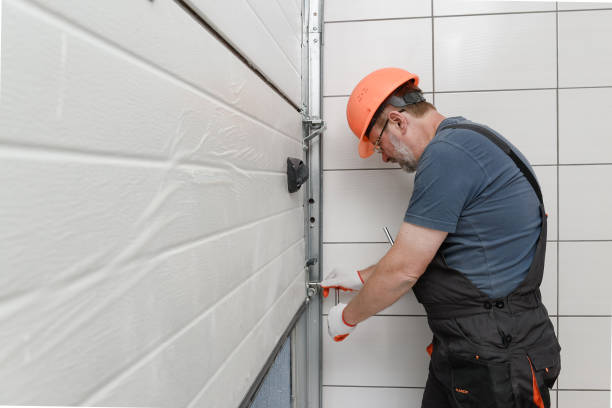
Commercial roll-up doors play an important role in protecting warehouses, retail stores, distribution centers, industrial facilities, and commercial garages. They provide controlled access, help secure valuable inventory, and allow employees and delivery vehicles to move in and out of a building efficiently. Because these doors are used frequently and contain heavy moving components, regular safety inspections are essential for maintaining reliable operation and protecting people on the premises.
A commercial roll-up door may appear to be working properly while developing problems with its springs, tracks, guides, bottom bar, locking mechanism, or operating system. Small issues can gradually become more serious, potentially causing unexpected downtime, property damage, or injuries. A professional safety inspection helps identify these concerns before they interfere with daily business operations.
Knowing when to schedule an inspection is just as important as understanding what the inspection involves. Businesses should consider their door's usage, age, operating environment, maintenance history, and any changes in performance when deciding how frequently to arrange professional service.
Why Are Professional Safety Inspections Important for Commercial Roll-Up Doors?
Commercial roll-up doors are designed to withstand repeated opening and closing cycles. However, constant movement places stress on mechanical components, and environmental conditions can accelerate wear. Dust, moisture, temperature fluctuations, vehicle impacts, and poor maintenance can all affect how a door operates.
A professional inspection evaluates the door's condition and checks whether its components are functioning as intended. Technicians can identify visible damage, unusual movement, worn parts, and potential operational hazards that may not be obvious during everyday use.
Safety inspections are particularly important in workplaces where roll-up doors serve as primary entrances for delivery trucks, forklifts, employees, or customers. A door that closes unevenly, reverses unexpectedly, or becomes stuck can disrupt business activities and create hazardous conditions.
Regular inspections also help businesses plan maintenance and repairs. Addressing a worn component early may prevent more extensive damage to the door system. Instead of waiting for a complete breakdown, property managers can use inspection findings to prioritize repairs and budget for future maintenance.
Although an inspection does not guarantee that a mechanical failure will never occur, it provides a practical way to identify risks and maintain a safer working environment.
When Should a Commercial Roll-Up Door Receive a Safety Inspection?
There is no single inspection schedule that suits every commercial property. The appropriate frequency depends on the door's design, usage, operating conditions, manufacturer recommendations, and applicable safety requirements. The following situations are especially important times to arrange a professional assessment.
1. Before Problems Become Noticeable
One of the best times to schedule an inspection is before the door begins showing obvious signs of trouble. Waiting until a door stops working can lead to unexpected business interruptions and potentially more expensive repairs.
Routine inspections allow technicians to examine components that experience repeated mechanical stress. These may include springs, cables where fitted, rollers, guides, brackets, fasteners, and the door's lifting mechanism.
A technician may identify early signs of corrosion, loose hardware, uneven movement, or worn components. Correcting these problems before they progress can help preserve the door's performance and reduce the likelihood of an unexpected breakdown.
Businesses should establish a preventive maintenance schedule based on manufacturer guidance, operating frequency, and a professional assessment of their specific door system.
2. When the Door Is Used Frequently Throughout the Day
A roll-up door in a busy distribution center may open and close dozens or even hundreds of times during a working day. A door used only occasionally in a small storage building may experience considerably less wear.
High-cycle operation places additional demands on springs, bearings, guides, motors, and other moving parts. Over time, repeated movement can cause components to loosen, wear down, or lose their intended adjustment.
Facilities with heavy daily traffic should consider more frequent inspections than businesses with low door usage. A professional can help determine an appropriate maintenance interval by reviewing the door's cycle count, operating conditions, and service history.
Inspections should also be considered after periods of unusually heavy use, such as seasonal inventory changes, warehouse expansions, or increased delivery activity.
3. When Unusual Noises or Movements Appear
Changes in how a commercial roll-up door sounds or moves can indicate developing mechanical problems. Grinding, scraping, banging, squealing, or repeated clicking should not automatically be dismissed as normal operating noise.
Other warning signs include jerky movement, slow opening, uneven closing, excessive vibration, and a door that appears to lean to one side.
These symptoms can result from worn rollers, damaged guides, misalignment, loose hardware, motor problems, or issues with the counterbalance system. The exact cause depends on the door's construction and operating mechanism.
A professional safety inspection should be arranged when these changes first appear. If the door is visibly unstable, has come off its guides, or appears likely to fall, stop using it and keep people away until it has been assessed.
Employees should never attempt to compensate for unusual movement by forcing the door open or closed.
4. After a Door Impact or Accidental Collision
Commercial roll-up doors can be struck by delivery vehicles, forklifts, pallet jacks, or other equipment. Even a relatively minor collision may bend a guide, distort a panel, damage mounting brackets, or affect the door's alignment.
Damage is not always obvious from the outside. A door may continue operating even when one of its supporting components has been weakened.
After a collision, arrange a professional inspection before returning the door to normal service if its structural integrity or safe operation may have been affected. The technician should assess the visible impact area, tracks or guides, mounting points, lifting mechanism, and operating controls as applicable.
Do not assume that a door is safe simply because it still opens and closes. Continuing to operate a damaged system may increase the extent of the damage and expose employees to avoidable risks.
5. After Severe Weather or Water Exposure
Strong winds, flooding, hail, and severe storms can affect commercial roll-up doors and their supporting structures. Wind pressure may cause damage or misalignment, while flooding can introduce moisture, debris, and corrosion into mechanical or electrical components.
Businesses should arrange an immediate professional evaluation after a significant weather event if their doors may have been affected. Industry guidance from the Door and Access Systems Manufacturers' Association recommends evaluating rolling doors after events such as high winds, earthquakes, or flooding, regardless of the date of the previous inspection.
The inspection should identify visible structural damage, problems with the door's guides and mounting points, and any electrical or operating issues caused by the event.
Avoid operating a door that has been damaged by severe weather until a qualified technician determines that it is safe to use.
6. Before and After Commercial Door Installation
A newly installed commercial roll-up door should be inspected and tested to confirm that the installation follows the manufacturer's instructions and the applicable safety requirements.
Before accepting the installation, a business owner or facility manager should confirm that the door moves correctly, its operating controls function as intended, and the necessary safety devices have been checked.
Professional installation is particularly important because commercial roll-up doors contain heavy components and may rely on spring counterbalance assemblies, powered operators, and specialized mounting hardware.
Businesses planning a new door or replacing an older unit can learn more about commercial roll-up door installation and the importance of having the system installed by qualified professionals.
An inspection should also be arranged after substantial repairs, component replacement, or modifications that may affect the door's operation. This helps verify that the system is functioning properly before regular use resumes.
7. When a Door Has Been Out of Service for an Extended Period
A commercial roll-up door that has remained unused for several months may develop problems even if it worked correctly before being taken out of service.
Dust and debris can accumulate around the guides, moisture can contribute to corrosion, and mechanical components may deteriorate while the door remains stationary. Electrical controls and safety devices may also require testing before the door returns to regular operation.
Before restarting an unused door, arrange an assessment if its condition is uncertain, particularly when it has been exposed to moisture, extreme temperatures, or other unfavorable conditions.
A professional can determine whether cleaning, lubrication, adjustment, repairs, or additional testing is necessary. This is especially important in facilities where a malfunctioning door could affect employees, customers, or material-handling equipment.
8. When the Door Is a Fire-Rated Rolling Door
Fire-rated rolling doors require special attention because they are designed to help protect building occupants and limit the spread of fire when properly installed and maintained.
These doors may be connected to fire alarm systems, automatic release mechanisms, or other devices that allow them to close during an emergency. A malfunction in the release mechanism or a door that cannot close completely may compromise its intended protective function.
According to industry guidance, rolling steel fire doors should receive an annual inspection and drop test in accordance with the manufacturer's instructions and applicable fire safety requirements. The inspection and test should be documented, and any deficiencies should be addressed by qualified personnel.
Fire-door testing should never be improvised by untrained employees. The process must follow the door's specific testing and resetting procedures.
How Often Should a Commercial Roll-Up Door Be Professionally Inspected?
For many commercial rolling doors, a useful starting point is a professional inspection at least once a year, or more frequently when the manufacturer recommends it. High-use doors and those operating in demanding environments may require shorter maintenance intervals.
The following table provides a general planning guide rather than a universal requirement.
|
Door usage or condition |
Recommended approach |
|
Normal daily use |
Schedule professional inspection at least annually, subject to manufacturer guidance. |
|
Heavy daily use |
Ask a technician to establish a more frequent inspection and maintenance schedule. |
|
Unusual noises or uneven movement |
Arrange an inspection promptly; stop using the door if safety may be compromised. |
|
Vehicle impact or visible damage |
Obtain a professional assessment before resuming use if structural or operational safety is uncertain. |
|
Severe weather or flooding |
Arrange an immediate evaluation if the door may have been affected. |
|
Fire-rated rolling door |
Follow the applicable annual inspection and testing requirements and manufacturer instructions. |
|
After major repairs or modifications |
Have the affected functions checked before returning the door to normal service. |
Businesses should also conduct routine visual observations during normal operations. Employees can report visible damage, unusual noises, obstructions, and changes in performance, but these observations do not replace professional inspections.
What Does a Professional Roll-Up Door Safety Inspection Include?
A professional inspection should assess the components and operating functions relevant to the door's design. The precise procedure varies by model, manufacturer, and whether the door is manually operated, motorized, or fire-rated.
Common inspection areas include the following.
Door curtain and slats: The technician checks for bent, cracked, corroded, or damaged sections that may interfere with movement or compromise the door's integrity.
Guides, tracks, and mounting hardware: The inspection looks for misalignment, loose fasteners, damaged brackets, obstructions, and other conditions that could prevent smooth operation.
Springs and counterbalance components: Where fitted, these components are examined for signs of wear or damage. Spring tension and related adjustments should be handled only by trained technicians because stored mechanical energy can cause serious injuries.
Operating mechanism and motor: For powered doors, the technician assesses the operator, drive components, controls, and relevant operating limits.
Safety devices: Depending on the system, this may include checking sensing edges, photoelectric sensors, braking functions, and other protective features.
Locking mechanisms: Locks and related hardware should operate correctly and secure the door as intended.
Emergency and fire safety functions: Where applicable, the technician checks the required release, closing, and resetting functions according to the manufacturer's instructions and relevant standards.
The technician should explain any identified deficiencies and recommend appropriate corrective action. A written inspection report is useful because it records the door's condition, repairs performed, outstanding concerns, and the next maintenance date.
Warning Signs That Require Immediate Attention
Some conditions should not wait for the next scheduled maintenance appointment. Recognizing these warning signs helps employees and property managers respond before a minor problem becomes a serious safety concern.
Arrange professional assistance if you notice:
-
A door that drops, slams shut, or moves unexpectedly.
-
A visibly bent curtain, damaged guide, or loose mounting bracket.
-
A motor that strains, overheats, or repeatedly stops during operation.
-
A door that becomes stuck or moves unevenly.
-
Damaged electrical wiring or malfunctioning controls.
-
A locking mechanism that fails to secure the door.
-
A fire-rated door that fails its required test or does not close completely.
If a door appears unstable or presents a risk of falling, crushing, or electrical injury, stop using it, keep people clear of the opening, and arrange qualified service. Do not attempt to repair springs, adjust counterbalance systems, bypass safety devices, or force a damaged door to operate.
For businesses experiencing these problems, commercial roll-up door repair can help address mechanical faults and restore safe operation after the necessary assessment and repairs.
How Can Businesses Prepare for a Safety Inspection?
Preparing for an inspection can help technicians evaluate the door efficiently and understand its maintenance history.
Facility managers should keep the area around the doorway clear and provide safe access to the door's operating components. They should also share any recurring issues reported by employees, including unusual sounds, inconsistent movement, or intermittent control failures.
It is helpful to maintain records of previous inspections, repairs, replacement parts, and manufacturer maintenance instructions. These records allow the technician to identify recurring problems and determine whether an existing component requires further attention.
Businesses should also establish a reporting process so employees know how to communicate damage or operating concerns. Staff should understand that they must not stand beneath a moving door, enter its path while it is operating, or attempt unauthorized repairs.
Where several commercial doors are installed across a facility, a maintenance log can track each door's location, inspection date, identified defects, and service history. This makes it easier to plan maintenance without overlooking doors that receive less frequent use.
Why Denver Businesses Should Prioritize Commercial Door Safety
Commercial facilities throughout Denver rely on roll-up doors for warehouse access, loading areas, storage units, workshops, and retail operations. These doors may be exposed to changing temperatures, wind, snow, moisture, and frequent vehicle traffic, depending on the location and use.
Such conditions make it important to monitor door performance and arrange professional inspections when needed. Businesses should pay particular attention to weather-related damage, corrosion, alignment problems, and components that experience heavy daily use.
Property owners seeking local assistance can explore garage door services in Denver, CO to learn about service options for commercial and other garage door needs.
A maintenance plan tailored to the facility's operating conditions can help reduce unexpected interruptions and support safer access for employees, delivery personnel, and visitors.
Frequently Asked Questions
1. How often should a commercial roll-up door receive a professional safety inspection?
A professional inspection at least once a year is a useful baseline for many commercial rolling doors. However, the manufacturer's instructions, operating frequency, environmental conditions, and applicable safety requirements may call for more frequent inspections.
2. Can a commercial roll-up door be dangerous even when it still works?
Yes. A door may continue operating despite worn springs, damaged guides, loose hardware, or malfunctioning safety devices. Continued operation does not necessarily mean the door is safe. Suspected defects should be evaluated by a qualified technician.
3. What should I do if my commercial roll-up door makes grinding or banging noises?
Stop using the door if the noise suggests a mechanical fault or if its movement appears abnormal. Keep people away from the opening and arrange a professional inspection. Avoid forcing the door to operate or attempting repairs yourself.
4. Does a newly installed commercial roll-up door need an inspection?
Yes. The installation should include appropriate operational checks and verification that the door and its safety features function according to the manufacturer's instructions. Additional inspection is advisable after major repairs or modifications that affect operation.
5. Do fire-rated roll-up doors need special inspections?
Yes. Fire-rated rolling doors have specific inspection, testing, documentation, and maintenance requirements. Annual inspection and drop testing are generally required under applicable NFPA 80 provisions, subject to the relevant code, door classification, and manufacturer's instructions. Testing should be performed by qualified personnel.
6. Can employees perform their own commercial roll-up door safety inspections?
Employees can carry out routine visual observations and report problems. However, these checks do not replace a professional inspection. Repairs, adjustments to spring tension, and work on hazardous mechanical or electrical components should be handled by appropriately trained technicians.
7. What happens if a commercial roll-up door fails an inspection?
The technician should document the identified defects and explain the recommended corrective actions. If the door presents a safety hazard, it should be taken out of service until the necessary repairs and checks have been completed. Fire-rated doors may also require additional testing and documentation before being returned to service.
8. Is professional inspection necessary after a vehicle hits a roll-up door?
Yes, if the impact may have affected the door's structure, alignment, mounting hardware, or operating mechanism. Even if the door still moves, hidden damage can create safety risks. Arrange a professional assessment before returning a potentially damaged door to normal operation.
9. What factors determine the cost of a commercial roll-up door inspection?
Costs can depend on the door's size, design, accessibility, condition, operating mechanism, and the scope of testing required. Additional repairs, replacement components, and specialized fire-door testing may affect the total service cost. Requesting an assessment and a clear explanation of the work required can help with budgeting.
10. Should a commercial roll-up door be inspected after a storm?
Yes, if severe wind, flooding, or another weather event may have affected the door. An immediate evaluation can identify damage that may not be apparent during a basic visual check. Do not operate a door that appears unstable or damaged until a qualified technician has assessed it.
Conclusion
A commercial roll-up door should receive a professional safety inspection regularly and whenever damage, unusual movement, severe weather, or other concerning changes occur. For many rolling doors, annual professional maintenance is a reasonable starting point, but high-traffic facilities and specialized fire-rated doors may require additional inspections or testing.
By monitoring warning signs, keeping maintenance records, and arranging timely professional service, businesses can identify potential hazards, reduce unexpected downtime, and support safer daily operations.
Whether a facility needs routine maintenance, a new installation, or repairs to an existing door, working with qualified professionals helps ensure that the system is assessed and serviced according to its design and applicable requirements.
