What You Need to Know About Futsal and Padel Courts
Author : HitokaCece HitokaCece | Published On : 26 Feb 2026
Futsal and padel are rapidly gaining popularity worldwide, attracting sports enthusiasts and casual players alike. As urban spaces become more crowded and traditional sports facilities become scarce, the demand for specialized courts has surged. Futsal courts, in particular, offer a unique and engaging environment for players to hone their skills and enjoy the game. In this article, we will explore the essential aspects of futsal and padel courts, highlighting their benefits and the reasons behind their increasing appeal.
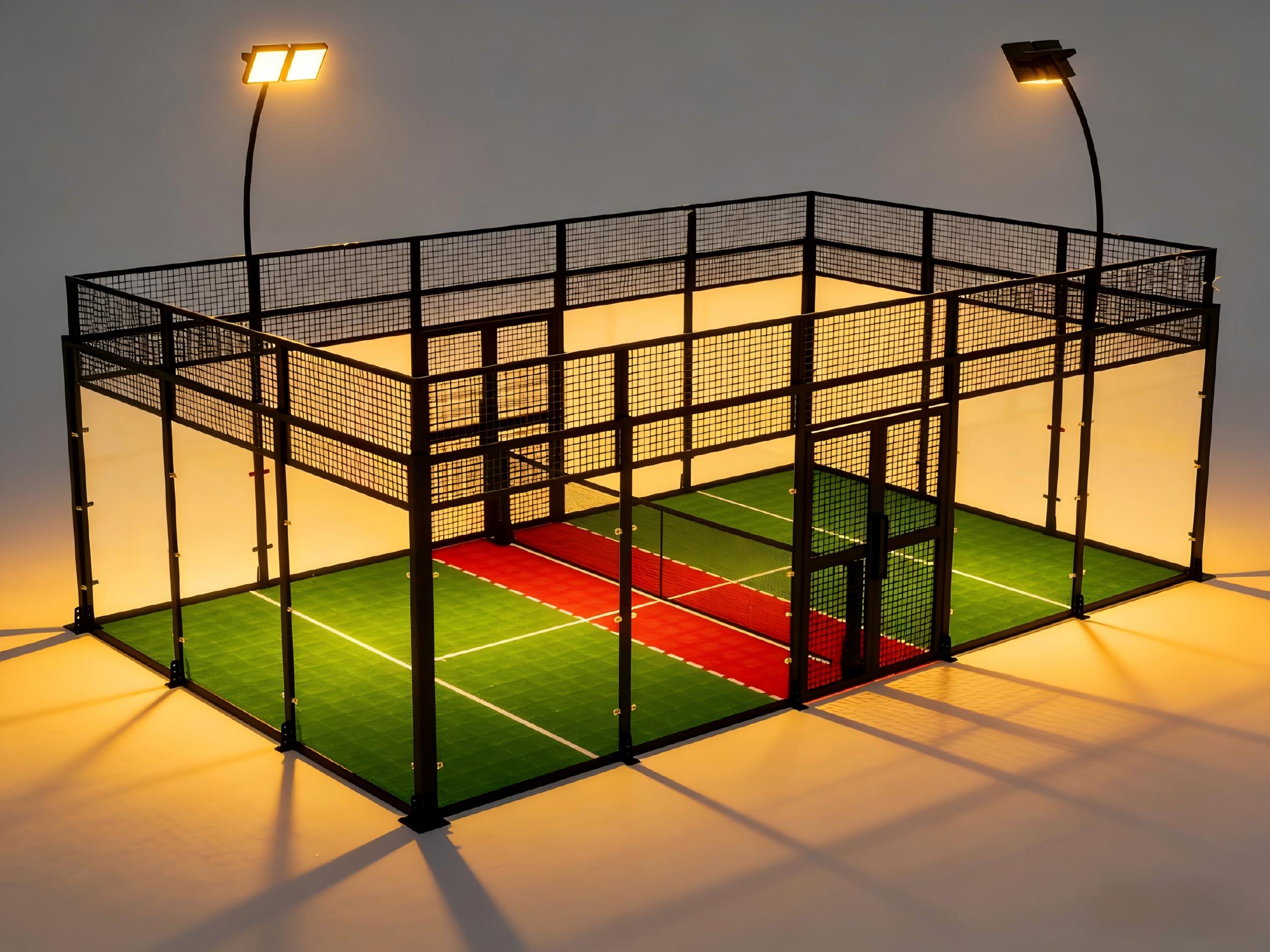
Futsal is a variant of soccer played on smaller, indoor courts, typically measuring 25-42 meters in length and 16-25 meters in width. The design of futsal courts emphasizes ball control and quick decision-making, making it an excellent training ground for players of all ages. The surface of a futsal court is usually made of hardwood or synthetic materials, providing optimal traction and safety for players. With its smaller goals and fewer players on the field, futsal encourages teamwork and strategic play, making it a fantastic choice for those looking to improve their soccer skills.
Padel, a racquet sport that combines elements of tennis and squash, is also experiencing a surge in popularity. Padel courts are typically enclosed with glass walls, allowing for exciting rallies and dynamic gameplay. The dimensions of a padel court are 20 meters long and 10 meters wide, making it accessible for players of all skill levels. The social aspect of padel, often played in doubles, fosters a sense of community among players. As more people seek engaging and social sports activities, the demand for padel courts continues to grow, complementing the existing futsal infrastructure in many urban areas.
Benefits of Futsal and Padel Courts
Investing in futsal and padel courts can provide numerous benefits for communities and sports organizations. These courts promote physical activity and healthy lifestyles, catering to individuals of all ages. They can also serve as venues for local tournaments and events, generating revenue and fostering community spirit. Furthermore, the relatively compact size of futsal and padel courts allows for their installation in urban settings where space is limited. This adaptability makes them an attractive option for city planners and sports developers looking to enhance recreational facilities.
In conclusion, futsal and padel courts represent a growing trend in the world of sports, offering unique opportunities for players to engage in physical activity and develop their skills. As the demand for these specialized courts continues to rise, understanding their features and benefits becomes essential for communities and sports organizations. Investing in futsal courts not only enhances local sports culture but also contributes to the overall well-being of the community. Whether you are a player, coach, or sports enthusiast, embracing the futsal and padel movement can lead to a more active and connected lifestyle.
