What to Wear to a Mehendi Ceremony? Easy Indian Outfit Ideas for Women
Author : Asrumo Clothing | Published On : 23 Sep 2026
A Mehendi ceremony is one of the more relaxed events in an Indian wedding, but that does not mean your outfit has to look ordinary. The challenge is finding something that feels festive without becoming uncomfortable after a few hours.
Unlike the wedding ceremony, Mehendi celebrations often have a more playful atmosphere. Guests may spend time sitting together, taking photographs, meeting relatives and enjoying music. Your outfit needs to keep up with all of that.
If you are wondering what to wear to a Mehendi ceremony, start by thinking about three things: the time of the event, the fabric of your outfit and how much movement you expect.
Choose Colours That Feel Festive
Mehendi is a colourful celebration, so it gives you plenty of freedom with colour. Green is an obvious choice because of its association with henna, but you can also wear yellow, pink, orange, peach, blue or combinations of several shades.
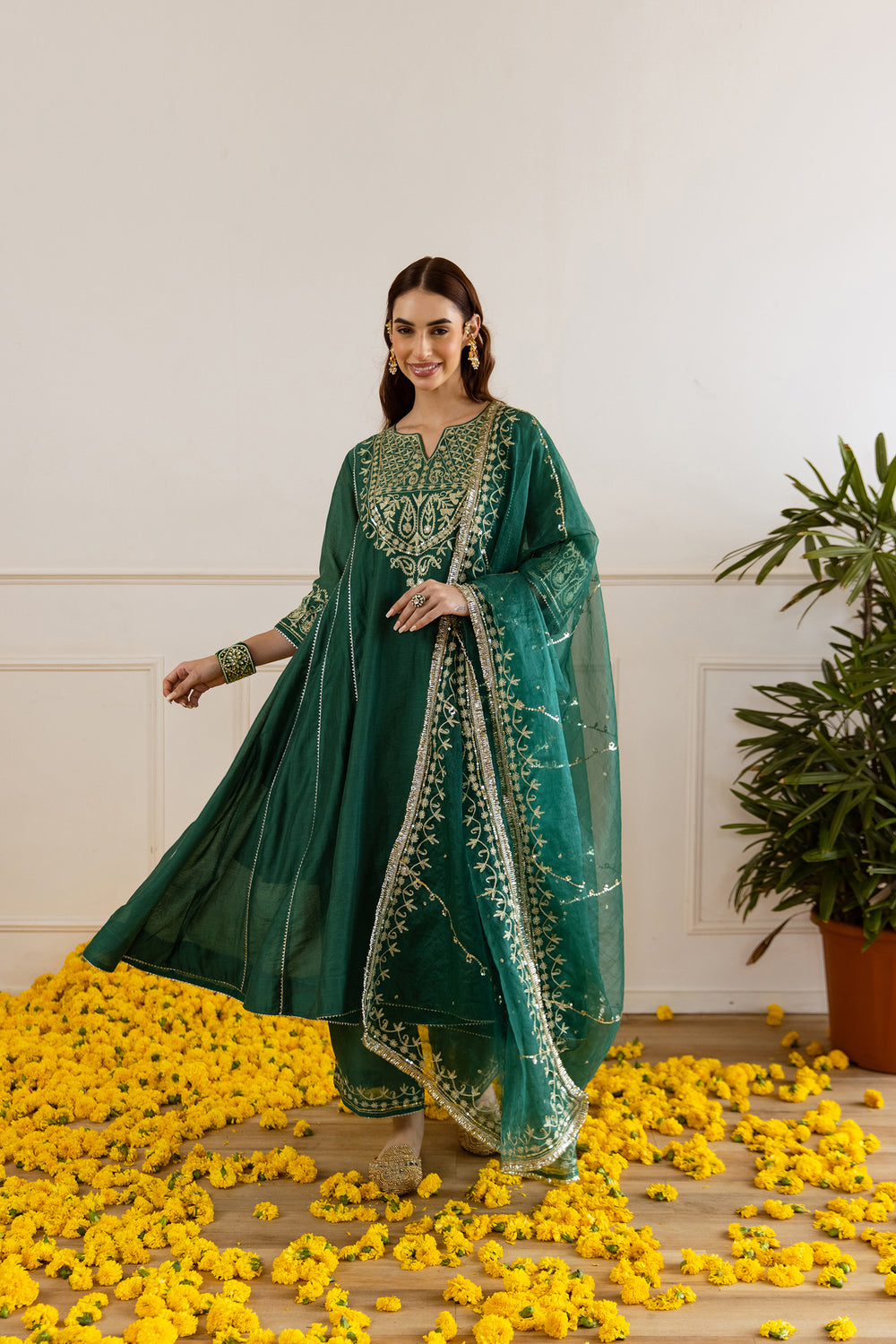
Pastels work particularly well for daytime functions. A soft peach kurta with an embroidered dupatta can look festive without being too formal. If the function is in the evening, stronger colours such as emerald, fuchsia, wine or deep green can create a more dramatic appearance.
You do not need to follow a fixed colour rule. Instead, choose a shade that works with the rest of your wardrobe and accessories.
Consider a Kurta Set
A kurta set is one of the most practical Indian wedding outfits for women. You get the complete look without having to coordinate multiple separate pieces.
For a Mehendi, look for printed, embroidered or textured sets. A straight kurta gives a clean appearance, while an A-line or three-kali silhouette adds movement.
Asrumo's kurta-set range includes straight, A-line, palazzo and three-kali silhouettes in fabrics such as Chanderi, cotton and linen.
This variety makes it easier to choose an outfit according to the formality and timing of the function.
Try a Lightweight Anarkali
An Anarkali suit can be a good alternative if you want more volume and movement.
For Mehendi, you do not necessarily need a heavily embroidered designer Anarkali. A printed or lightly embellished design can be enough. Floral motifs, small embroidery details or a contrasting dupatta can make the look feel special.
Choose the length and flare carefully if you know you will be sitting on the floor or moving around frequently.
Go for Prints
Prints can make a Mehendi outfit look interesting without requiring a lot of accessories.
Floral prints are an obvious option, but traditional Indian prints can work just as well. Leheriya, Bandhej-inspired patterns, block prints and geometric motifs can all add personality to a simple silhouette.
One advantage of a printed outfit is that you can keep your accessories minimal. Statement earrings and comfortable footwear may be all you need.
Choose Breathable Fabrics
Fabric can make a surprisingly big difference during a wedding function.
For daytime Mehendi ceremonies, cotton can be a comfortable choice, especially in warm weather. Chanderi can add a more festive finish while remaining relatively light. Other fabrics can work too, depending on the weather and venue.
The important thing is to consider how long you will be wearing the outfit. A dress that feels comfortable for an hour may feel very different after five hours of celebrations.
Add One Strong Accessory
One common mistake with Indian ethnic outfits is adding too many accessories.
If your outfit already has embroidery, printed details or a statement dupatta, you can let those elements stand out. Choose one main accessory such as oversized jhumkas, a statement necklace, colourful bangles or a decorated potli.
This approach keeps the outfit visually balanced.
Think About Your Footwear
Mehendi is not the time to wear footwear that you cannot walk in.
Juttis, embellished flats and low block heels can all work depending on the venue. If the event is outdoors, comfortable footwear becomes even more important.
Choose something that complements the outfit but allows you to move easily.
Keep Your Hands Comfortable
There is another practical consideration with Mehendi that is easy to forget: your hands will be occupied.
If you are getting Mehendi applied yourself, avoid wearing too many tight bangles or accessories before the design is finished. Loose sleeves can also make the process easier.
A kurta with comfortable sleeves and practical details can be more convenient than an outfit with complicated layers.
What About Jewellery?
Gold-toned jewellery works well with warm festive colours, while silver or oxidised jewellery can give printed outfits a more contemporary appearance.
For a simple cotton set, you could use larger earrings to create interest. With an embroidered Chanderi outfit, smaller jewellery may be enough.
Fresh flowers can also work beautifully for a daytime Mehendi. A floral hair accessory or small gajra can add a traditional touch without making the look feel overly formal.
Dress According to the Venue
An outdoor garden Mehendi and an evening banquet Mehendi can call for completely different outfits.
For a daytime outdoor celebration, choose lighter fabrics, comfortable footwear and colours that photograph well in natural light. For an evening event, you can bring in richer colours, embroidery and more noticeable jewellery.
Think about the environment before deciding on the outfit.
Build an Outfit You Can Wear Again
Wedding clothes do not have to be one-time purchases.
A versatile kurta set can be worn later for festivals, family celebrations, dinners or smaller wedding functions. You can change the dupatta, jewellery or footwear to make the same outfit feel different.
This is one reason simple silhouettes can be more useful than extremely occasion-specific pieces.
Final Thoughts
There is no single correct Mehendi dress for women. A good outfit is one that matches the celebration while allowing you to move, sit, eat, talk and enjoy the occasion comfortably.
Whether you choose a floral kurta set, a Chanderi Anarkali, a colourful printed outfit or an embroidered three-kali set, focus on the combination of fabric, colour and silhouette rather than following a strict formula.
Asrumo's approach to Indian ethnic wear combines traditional textile influences with contemporary silhouettes and practical details, making pieces suitable for occasions where women want festive clothing that remains wearable beyond one event.
