What to Know Before Choosing Dentures Treatment: Types, Costs, Comfort, and Long-Term Care
Author : HASH CLINICS | Published On : 22 Oct 2026
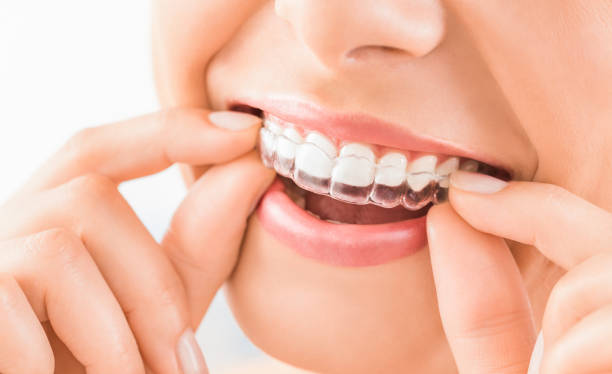
Dentures treatment is a common dental solution for people who have lost some or all of their natural teeth. Missing teeth can affect eating, speaking, smiling, and overall confidence. Dentures help replace missing teeth and support a more natural appearance. Before choosing dentures treatment, it is important to understand the available types, expected costs, comfort, and long-term care requirements.
Every patient has different dental needs. Some people need to replace only a few teeth, while others require a complete set of artificial teeth. A dentist can examine the mouth, check the condition of the gums, and recommend suitable dentures treatment according to the patient's needs.
Learning about dentures treatment before starting can help patients make informed decisions and prepare for the adjustment period. With proper fitting, regular cleaning, and professional guidance, dentures can support daily activities and improve quality of life.
What Are Dentures and How Do They Work?
Dentures are removable dental appliances designed to replace missing natural teeth. They are made using materials such as acrylic resin and other dental materials selected for strength, appearance, and comfort. Modern dentures are designed to look natural and fit the shape of the mouth as closely as possible.
Dentures treatment usually begins with a dental examination. The dentist checks the gums, remaining teeth, jaw structure, and oral health. Impressions or digital measurements may be taken to prepare dentures that fit the patient's mouth.
After the dentures are made, the dentist checks their fit and makes adjustments when necessary. Patients may need several appointments to achieve a comfortable result. The mouth also requires time to adapt to the new appliance, particularly during the first few weeks.
Types of Dentures Treatment
Understanding the different types of dentures treatment can help patients choose an appropriate option.
Complete Dentures
Complete dentures replace all the teeth in the upper jaw, lower jaw, or both. They are generally recommended for people who have lost all their natural teeth in a particular jaw.
Complete dentures rest on the gums and are designed to restore the appearance of a full smile. Their stability depends on the shape of the jaw, the condition of the tissues, and the quality of the fit. Lower dentures may require additional adjustments because the tongue and jaw movements can affect their stability.
Partial Dentures
Partial dentures replace several missing teeth when some natural teeth remain. They may use a metal or acrylic framework to hold the replacement teeth in place.
This type of dentures treatment can help restore chewing ability and prevent some of the difficulties associated with missing teeth. The dentist must check the remaining teeth and gums to ensure they can support the appliance safely.
Immediate Dentures
Immediate dentures are prepared before natural teeth are removed and inserted shortly after extraction. They allow patients to avoid spending the healing period without replacement teeth.
However, the shape of the gums changes as the mouth heals. Immediate dentures may therefore need adjustments, relining, or replacement later. Patients should discuss these additional requirements with their dentist before selecting this option.
Implant-Supported Dentures
Implant-supported dentures are attached to dental implants placed in the jawbone. They can provide greater stability than conventional removable dentures in suitable patients.
This dentures treatment requires surgery, sufficient bone support, and careful assessment of general and oral health. It may also involve a longer treatment period and higher costs. The dentist can explain whether implant-supported dentures are appropriate for the patient's situation.
What Determines the Cost of Dentures Treatment?
The cost of dentures treatment depends on several factors, so there is no single price suitable for every patient. The type of dentures is one of the most important considerations. Complete dentures, partial dentures, and implant-supported dentures involve different materials, procedures, and appointment requirements.
The materials used to make dentures can also influence the total cost. Basic options may be more affordable, while customized dentures designed for particular comfort or appearance needs may cost more.
Other factors include the dentist's experience, laboratory charges, the complexity of the case, and the number of adjustments required. Patients who need tooth extractions, gum treatment, or other dental procedures may have additional expenses.
Before starting dentures treatment, patients should request a clear treatment plan and cost estimate. They should ask whether the quoted amount includes examinations, impressions, fitting appointments, adjustments, repairs, and follow-up visits. Understanding the full cost can help avoid unexpected expenses later.
How to Choose Comfortable Dentures
Comfort is an important part of successful dentures treatment. Dentures should fit securely without causing persistent pain, rubbing, or significant difficulty during daily activities.
The dentist should consider the shape of the jaw, the condition of the gums, and the patient's ability to manage the appliance. Accurate measurements and professional fitting help reduce movement and irritation.
New dentures may initially feel unusual. Some patients experience extra saliva, mild soreness, or difficulty speaking clearly. These issues may improve as the mouth adapts. Practising speaking slowly and eating soft foods in small pieces can help during the adjustment period.
However, persistent pain, bleeding, sores, or dentures that repeatedly slip should not be ignored. Patients should visit their dentist for an assessment rather than attempting to reshape the appliance themselves.
Eating and Speaking With Dentures
Eating with new dentures requires patience. During the first few days, soft foods such as eggs, yogurt, cooked vegetables, and soft fish may be easier to manage. Patients should take small bites and chew slowly using both sides of the mouth when possible.
Hard, sticky, or very chewy foods can be difficult during the adjustment period. As comfort improves, patients can gradually introduce a wider range of foods according to their dentist's advice.
Speaking may also feel different at first. Reading aloud and practising commonly used words can help improve speech. If dentures continue to move while talking, a dental adjustment may be necessary.
Successful dentures treatment involves more than replacing teeth. It also requires learning how to use and maintain the appliance during everyday activities.
Long-Term Care for Dentures
Proper cleaning helps maintain dentures and supports good oral health. Dentures should be cleaned daily using a suitable denture brush and a product recommended for the material. Ordinary toothpaste may be too abrasive for some dentures.
Removable dentures should generally be taken out at night unless a dentist gives different instructions for a specific clinical reason. They should be stored appropriately to prevent drying or damage, following the manufacturer's or dentist's guidance.
Patients should also clean their gums, tongue, and any remaining natural teeth. Regular dental visits allow the dentist to check the condition of the mouth, identify irritation, and assess whether the dentures still fit correctly.
Over time, the gums and jawbone can change shape, causing dentures to become loose. Relining, repairs, or replacement may then be needed. Patients should never use household glue to repair damaged dentures.
Possible Problems and Important Precautions
Although dentures treatment can improve daily comfort and appearance, some problems may occur. Poorly fitting dentures can cause sore spots, mouth irritation, difficulty chewing, and changes in speech. Food may become trapped underneath the appliance, especially when the fit is not secure.
Patients with diabetes, gum disease, dry mouth, or other oral health concerns may require additional monitoring. Any persistent mouth sores, unusual swelling, bleeding, or sudden changes in fit should be assessed by a dentist.
Good hygiene, regular appointments, and timely adjustments can reduce many common problems. Patients should also follow professional instructions about adhesives and avoid relying on adhesive products to compensate for severely loose dentures.
Who Should Consider Dentures Treatment?
Dentures treatment may be suitable for adults who have lost teeth because of decay, gum disease, injury, or other dental conditions. The best option depends on the number of missing teeth, the health of the gums, the condition of the jawbone, and personal preferences.
Some patients may benefit from partial dentures, while others may need complete or implant-supported options. A dentist can explain the advantages, limitations, maintenance requirements, and expected costs of each choice.
Patients should discuss their daily habits, comfort concerns, budget, and expectations during the consultation. This helps create a treatment plan that supports both oral health and long-term satisfaction.
Conclusion
Choosing the right dentures requires careful consideration of fit, appearance, comfort, cost, and ongoing maintenance. Patients should understand the differences between complete, partial, immediate, and implant-supported options before making a decision. Professional fitting and regular dental reviews are essential for maintaining comfort and identifying problems early.
Author Web Page : https://hashclinics.pk/
