What to Do in Jawai If You Don't Spot a Leopard
Author : shivtara resort jawai | Published On : 20 Nov 2026
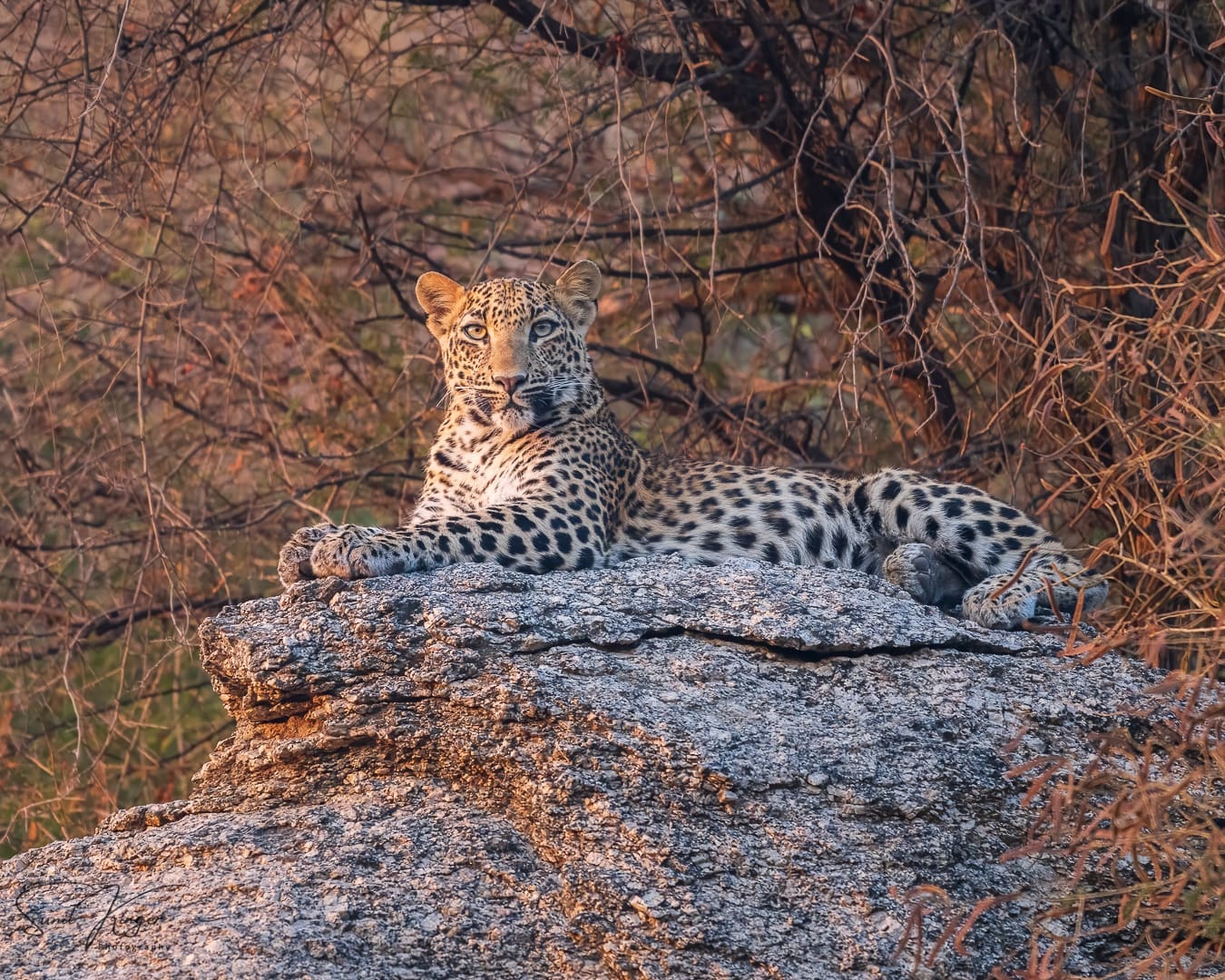
Jawai, located in Rajasthan's Pali district, has become one of India's most fascinating wildlife destinations. Known for its ancient granite hills, leopard habitats, and traditional Rabari villages, the region attracts travelers hoping to witness leopards in their natural surroundings.
However, wildlife sightings are unpredictable. Even during a well-planned Jawai leopard safari, these elusive predators may remain hidden inside rocky caves or move through areas inaccessible to visitors.
Does that mean your Jawai trip is unsuccessful? Absolutely not.
Beyond leopard sightings, Jawai offers remarkable experiences involving birdwatching, crocodile observation, village exploration, landscape photography, and cultural discovery.
If your safari ends without a leopard sighting, here are several rewarding ways to experience the region's natural beauty and rural heritage.
1. Discover the Birdlife Around Jawai Dam
One of the most rewarding alternatives to leopard spotting is birdwatching around Jawai Dam.
The reservoir and surrounding wetlands attract resident and migratory birds, making the area interesting for nature enthusiasts.
Depending on the season and water conditions, visitors may observe flamingos, bar-headed geese, cranes, herons, egrets, and kingfishers.
Winter, particularly from November to February, can provide opportunities to observe seasonal migratory birds.
Early mornings are often suitable for birdwatching because temperatures are comfortable and many birds become active.
Carrying binoculars and exploring with a knowledgeable local guide can make the experience more educational.
Unlike leopard sightings, birdwatching encourages visitors to appreciate the smaller details of Jawai's ecosystem.
2. Explore Jawai's Ancient Granite Hills
Jawai's enormous granite formations are among the region's most distinctive natural attractions.
These rocky hills have been shaped by geological processes over millions of years, creating dramatic boulders, natural caves, and unusual landscapes.
While many visitors associate the formations with leopard habitats, they also provide shelter for birds, reptiles, and smaller mammals.
The surrounding scrublands and open countryside create striking contrasts against the ancient rocks.
Visitors interested in geology, nature photography, or landscape appreciation can enjoy observing these formations from permitted locations.
However, entering caves or climbing isolated wildlife habitats without proper guidance should be avoided.
The hills are important natural shelters, and responsible exploration helps protect their ecological value.
3. Experience the Traditional Rabari Village Lifestyle
Jawai's cultural heritage is closely connected to the Rabari community, traditionally known for livestock rearing and pastoral livelihoods.
In villages surrounding the granite hills, visitors may observe shepherds guiding livestock through grazing areas and rural pathways.
Traditional clothing, jewellery, embroidery, and community customs contribute to the region's cultural identity.
A guided village experience can introduce travelers to local farming practices, livestock management, and the relationship between rural communities and wildlife.
Jawai is frequently described as an example of human-leopard coexistence, although livestock predation and changing land use create real challenges for residents.
Travelers should arrange village visits through knowledgeable local hosts and seek permission before photographing people.
Understanding these communities can provide a more meaningful travel experience than focusing exclusively on wildlife sightings.
4. Observe Crocodiles Near Jawai Dam
Jawai Dam is also known for its population of mugger crocodiles.
These freshwater reptiles inhabit suitable reservoirs, rivers, and wetlands across parts of India.
Visitors may occasionally observe crocodiles resting near the water or basking on exposed banks.
Their behavior provides an opportunity to learn about aquatic predators and the ecological importance of freshwater habitats.
However, crocodiles are powerful wild animals and must always be observed from safe distances.
Visitors should never enter the water, approach crocodiles, or attempt to attract them for photographs.
Guided observation from permitted locations is the safest approach.
5. Enjoy Sunrise and Sunset Photography
Jawai offers beautiful photographic opportunities even when leopards remain hidden.
During sunrise, warm sunlight gradually illuminates the granite hills, creating soft colors and long shadows.
The surrounding agricultural fields, scrub vegetation, and rural settlements add depth to landscape compositions.
Sunset brings another transformation as the rocks develop golden and copper tones.
Photographers can capture natural scenery, village landscapes, birds, and changing skies without depending on big-cat sightings.
Travelers searching for the Best Resort in Jawai for Stay may consider accommodation that provides convenient access to scenic countryside locations and guided nature experiences.
For landscape photography, a wide-angle lens can be useful, while binoculars or a telephoto lens help observe distant wildlife without disturbance.
6. Look for Wildlife Beyond Leopards
Leopards are not the only fascinating animals inhabiting Jawai.
The wider landscape supports several species, including striped hyenas, jackals, foxes, jungle cats, nilgai, and various reptiles.
Although sightings of many mammals are uncommon, learning about their behavior adds another dimension to a wildlife safari.
Striped hyenas play an important ecological role as scavengers, while foxes and jackals feed on smaller animals and available food sources.
Birds of prey also occupy the rocky surroundings and may be observed soaring above the hills.
An experienced naturalist can explain animal tracks, habitat characteristics, and ecological relationships even when larger mammals are not visible.
A wildlife safari becomes more rewarding when travelers appreciate the entire ecosystem rather than concentrating on a single species.
7. Discover Local Temples and Cultural Landmarks
Jawai's granite landscape also contains places associated with local religious traditions.
Temples and places of worship in the surrounding region reflect the relationship between communities, spirituality, and the natural environment.
Some religious sites are located near rocky formations, creating distinctive settings for cultural exploration.
Visitors can learn about local customs, architecture, and the spiritual significance of the landscape.
However, religious sites should be approached respectfully.
Travelers should follow dress requirements, respect ceremonies, and obtain permission before photographing worshippers.
Exploring Jawai's cultural landmarks offers an opportunity to understand Rajasthan beyond its famous forts and palaces.
8. Slow Down and Enjoy the Countryside
Not every memorable travel experience requires an activity-filled schedule.
Jawai's open landscapes and rural surroundings provide opportunities for relaxation, quiet observation, and reflection.
Travelers can spend time watching birds, appreciating the changing light across granite hills, or learning about the region from local hosts.
Those considering a Luxury Stay Resort in Jawai can plan a balanced holiday combining guided safaris, nature observation, and leisure.
Instead of immediately booking another safari after an unsuccessful sighting, visitors may enjoy spending a few hours exploring a different aspect of the destination.
This slower approach often creates a deeper connection with the surrounding landscape.
9. Consider Another Safari, but Keep Expectations Realistic
If spotting a leopard remains an important goal, travelers may consider booking another guided safari, depending on their schedule and budget.
Morning and evening drives can offer different lighting conditions and opportunities to observe wildlife activity.
However, additional safaris do not guarantee sightings.
Leopards are wild predators whose movements depend on natural conditions.
Visitors should choose authorized operators, respect wildlife-viewing distances, and avoid activities that disturb animals.
A successful safari should be measured by the overall experience, not only by the number of leopards photographed.
How to Plan a Rewarding Jawai Trip Without Guaranteed Sightings
A flexible itinerary can help visitors enjoy Jawai regardless of wildlife encounters.
For a two-night stay, travelers might schedule a guided leopard safari on the first evening, birdwatching near Jawai Dam the following morning, and a respectful village experience later in the day.
An additional safari can be included if time and budget permit.
The final morning can be reserved for landscape photography or relaxation before departure.
This approach provides a combination of wildlife, culture, and nature without making the entire holiday dependent on one sighting.
All excursions should follow applicable access restrictions, weather conditions, and local safety guidance.
Conclusion
Not spotting a leopard in Jawai does not mean missing the region's true beauty.
From the remarkable birdlife around Jawai Dam and ancient granite formations to Rabari villages, crocodile habitats, and peaceful countryside, Jawai offers experiences that extend well beyond big-cat photography.
The region's greatest appeal lies in the relationship between wildlife, natural landscapes, and traditional rural communities.
For travelers willing to explore with patience and curiosity, even a safari without a leopard sighting can become part of a meaningful Rajasthan journey.
Ultimately, Jawai is not simply about finding leopards. It is about discovering the extraordinary natural and cultural world that surrounds them.
