What to Do If Your Boiler Stops Working in Winter
Author : Plumr Uk | Published On : 14 Jul 2026
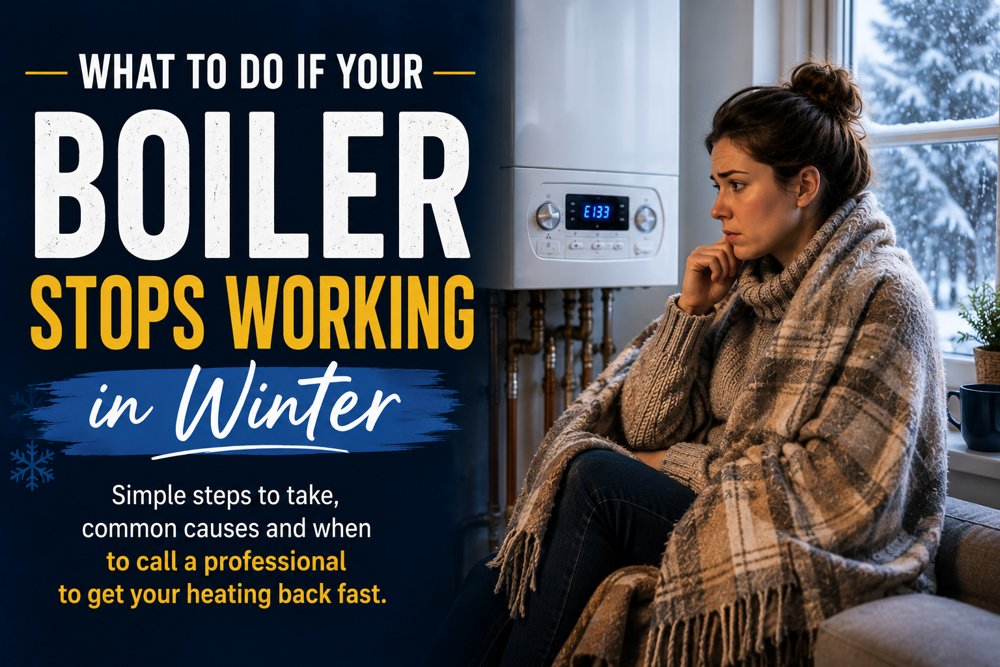
There’s never a good time for a heating system to fail, but if your boiler stops working in winter, it somehow feels even worse. You wake up expecting a warm shower, only to find icy water and cold radiators. It’s frustrating, especially when temperatures outside are close to freezing. Before assuming the worst, there are a few simple checks that could save you time and help you understand whether you’re dealing with a minor fault or something that needs professional attention.
Not every boiler breakdown means an expensive repair. Some issues can be resolved in minutes, while others need the experience of a qualified heating engineer. Knowing what to look for makes the situation a little less stressful.
Stay Calm and Check the Basics
It sounds obvious, though it's easy to panic when the house suddenly feels cold.
Start with the simple things first. Check that your thermostat is switched on and set to the correct temperature. Look at the boiler display for any warning lights or error codes. If your electricity supply has tripped or there's a power cut, that could also explain why the heating has stopped.
Sometimes the smallest things are responsible.
Check the Boiler Pressure
Low pressure is one of the most common reasons for a boiler not working properly.
Most modern boilers have a pressure gauge on the front. If the reading is below the recommended level shown in your manufacturer's instructions, the system may stop operating correctly.
Many boilers can be safely re-pressurised by following the manufacturer's guidance. If you're unsure, it's better to ask a qualified engineer rather than guessing.
Is the Condensate Pipe Frozen?
Cold weather brings its own plumbing challenges.
One issue that often appears during a boiler breakdown winter is a frozen condensate pipe. This external pipe carries waste water away from the boiler, and freezing temperatures can block it with ice.
Some boilers display a specific fault code when this happens.
Once the ice has safely thawed, the boiler may start working again without needing further repairs.
Look for Error Codes
Modern boilers are surprisingly good at telling you something is wrong.
Many models display fault codes on the control panel. These codes help identify issues such as ignition failures, pressure problems, or circulation faults.
Your user manual usually explains what each code means.
It's worth checking before making any assumptions.
Has Your Boiler Been Serviced Recently?
Regular servicing helps identify worn parts before they fail.
Many winter boiler problems happen because small faults have gradually developed over time without being noticed.
A yearly service keeps the heating system in good condition and reduces the chance of unexpected breakdowns during colder months.
It's one of those jobs people often remember after the boiler stops.
No Heating or Hot Water?
Finding no heating or hot water in the middle of winter is probably the situation homeowners dread most.
If neither is working, avoid repeatedly resetting the boiler. Multiple reset attempts may make diagnosing the original fault more difficult.
Instead, carry out the basic checks first and arrange professional assistance if the problem continues.
Patience usually saves time later.
Check Other Parts of the Heating System
Sometimes the boiler isn't actually the problem.
Faulty thermostats, heating controls, motorised valves, or circulation pumps can all affect how the system performs.
If the boiler appears to be running but radiators stay cold, another component within the heating system could be responsible.
Heating systems are a little more connected than many people realise.
Avoid DIY Boiler Repairs
It can be tempting to remove the boiler cover and have a closer look.
Don't.
Gas appliances should only be worked on by qualified professionals. Attempting repairs yourself can create safety risks and may even invalidate warranties.
Simple checks are fine.
Internal repairs are not.
When to Call a Professional
If the boiler still refuses to operate after basic troubleshooting, it's time to arrange emergency boiler repair.
A qualified boiler engineer London homeowners trust can safely diagnose faults, replace damaged parts, and confirm that the appliance is operating correctly.
Fast action becomes particularly important during freezing weather, especially where young children, elderly relatives, or vulnerable people are at home.
Boiler Repairs During Winter
Heating engineers are often busiest during the coldest weeks of the year.
Waiting until the boiler fails completely can sometimes mean longer appointment times, simply because demand increases so quickly.
If you notice unusual noises, inconsistent heating, or repeated pressure loss before winter arrives, arranging boiler repair South London services early may help avoid an unexpected breakdown later.
Small warning signs rarely disappear by themselves.
Prevent Future Breakdowns
A little preparation goes a long way before winter arrives.
Simple steps include:
-
Book an annual boiler service.
-
Bleed radiators if needed.
-
Keep the boiler pressure within the recommended range.
-
Insulate exposed pipework.
-
Check the thermostat regularly.
-
Keep external vents clear.
These small maintenance habits reduce the likelihood of facing common winter boiler problems when temperatures begin to fall.
Don't Wait Too Long
A heating failure isn't just inconvenient.
During very cold weather, indoor temperatures can drop surprisingly quickly. If your boiler refuses to restart after basic checks, arranging emergency heating repair as soon as possible helps restore warmth safely and reduces the risk of further damage to the heating system.
A warm home is something most of us barely think about.
Until it's suddenly gone.
FAQs
1. What should I do if my boiler stops working in winter?
Check the thermostat, power supply, boiler pressure, and any fault codes before contacting a qualified heating engineer.
2. Why has my boiler stopped working during cold weather?
Cold temperatures can freeze the condensate pipe, while pressure loss, electrical faults, or worn components may also cause the boiler to stop.
3. Can I restart my boiler myself?
Many boilers can be reset safely by following the manufacturer's instructions. If the fault returns, professional inspection is recommended.
4. Why do I have no heating or hot water?
This could be caused by low boiler pressure, a frozen condensate pipe, thermostat issues, or an internal boiler fault.
5. Is a frozen condensate pipe common in winter?
Yes. Freezing temperatures can block the condensate pipe and prevent the boiler from operating correctly.
6. When should I call an emergency boiler repair engineer?
If basic checks don't restore heating or hot water, or you suspect a gas-related fault, contact a qualified engineer immediately.
7. How can I prevent boiler problems in winter?
Annual servicing, maintaining correct boiler pressure, insulating pipework, and checking heating controls all help reduce the risk of winter breakdowns.
8. Is it safe to repair a boiler myself?
No. Internal boiler repairs should only be carried out by a Gas Safe registered engineer to protect your safety and comply with UK regulations.
