What Should You Never Put Down a Garbage Disposal?
Author : Zuta Appliance Repair | Published On : 06 Oct 2026
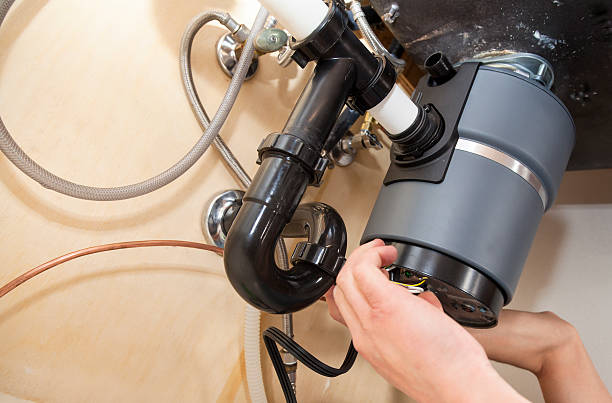
A garbage disposal makes kitchen cleanup easier by grinding food scraps before they move through the drain. It can handle many small food particles, but it is not designed to process everything that ends up on a plate or in a sink. Putting the wrong materials into it can lead to clogs, unpleasant smells, damaged parts, or drainage problems.
Knowing what should stay out of a garbage disposal can help keep the unit working properly and reduce avoidable repair needs. Some items can wrap around the blades, while others can expand, harden, or collect inside the drain. Even foods that seem harmless can cause trouble when they are put into the disposal regularly.
Here are the main things you should never put down a garbage disposal and what you can do instead.
Grease, Oil, and Fat
Grease, cooking oil, and fat should never be poured into a garbage disposal. These substances may be liquid when warm, but they can cool and become sticky inside the drain. Over time, they can collect on the sides of pipes and trap other food particles.
This buildup can slow drainage and eventually cause a blockage. Running hot water after pouring grease into the disposal does not remove the problem completely.
Instead, allow cooking grease and fat to cool and place them in a suitable container before disposing of them according to local waste guidelines.
Coffee Grounds
Coffee grounds may look small enough to pass through the disposal, but they can collect in the plumbing. Once mixed with grease and other food particles, they can form a thick layer that makes drainage more difficult.
Coffee grounds are better suited for composting where appropriate. Keeping them out of the disposal can help reduce buildup in the drain.
Eggshells
Eggshells are another item that should stay out of the garbage disposal. The thin membrane inside the shell can become caught around disposal components, while the crushed shell pieces may settle in the plumbing.
There is also little benefit to grinding eggshells in the unit. If you use eggs regularly, place the shells in the appropriate waste or compost container instead.
Bones
Garbage disposals are designed for small, soft food scraps, not large or hard bones. Bones can put excessive pressure on the grinding components and may cause damage or leave pieces that do not move through the plumbing easily.
Small food bones should be placed in the trash or handled according to local waste rules rather than being forced through the disposal.
Fruit Pits and Seeds
Fruit pits and hard seeds can be much tougher than they appear. Items such as peach pits, avocado pits, and other hard fruit seeds can damage the grinding components or become stuck inside the unit.
The same applies to large hard seeds from certain vegetables and fruits. Remove these items before placing the remaining edible material near the disposal.
Fibrous Vegetable Scraps
Some vegetables contain long, stringy fibers that can wrap around the grinding parts. Celery, corn husks, asparagus ends, onion skins, and similar scraps can create problems when pushed into the disposal.
The fibers may not break down easily. Instead, they can become tangled and interfere with the movement of the disposal.
If you are preparing vegetables, trim away fibrous portions and place them in the trash or compost rather than sending them through the disposal.
Pasta and Rice
Cooked pasta and rice can absorb water and expand after they enter the plumbing. Even small amounts can contribute to a thick mixture when combined with other food particles.
This material may become difficult to move through narrow drain passages. Pasta and rice are better handled through regular food waste disposal or composting when suitable.
Flour and Dough
Flour can create a sticky mixture when combined with water. When it enters the disposal and drain, it may collect with other food particles and contribute to a blockage.
Dough can create a similar problem. Sticky food mixtures do not belong in the garbage disposal because they can remain inside the drain rather than moving away freely.
Clean bowls, pans, and utensils carefully before rinsing them into the sink.
Potato Peels
Potato peels can be troublesome because they are thin and starchy. When a large amount is sent through the disposal, the peels can form a paste-like material that may collect in the drain.
A few small scraps may not cause an immediate issue, but putting large amounts of potato peels into the disposal is best avoided. Composting or placing them in the appropriate food waste container is a better option.
Banana Peels
Banana peels contain tough fibers that can be difficult for a disposal to process. Large pieces may become tangled around the grinding mechanism rather than being broken down properly.
Instead of putting banana peels into the disposal, place them in compost or regular waste as appropriate.
Corn Husks and Corn Silk
Corn husks and silk are highly fibrous. Their long strands can wrap around internal disposal components and make the unit work harder.
The edible corn kernels are generally much easier for a disposal to handle in small amounts, but the husks and silk should be kept out.
Seafood Shells
Shells from shrimp, crab, lobster, and similar seafood can be hard and abrasive. They may put unnecessary strain on the disposal and can leave sharp or difficult pieces behind.
Keep seafood shells out of the unit. Place them in the appropriate waste container instead.
Large Amounts of Food Waste
Even food that is generally suitable for a garbage disposal can cause trouble when too much is added at once. A disposal works best when small amounts of appropriate scraps are introduced gradually.
Overloading the unit can cause it to struggle, increase the chance of a clog, and place additional stress on the motor.
If you have a large amount of food waste after cooking, divide it into smaller portions and dispose of it through the appropriate waste method.
Non-Food Items
A garbage disposal is made for food scraps, not household objects. Plastic, glass, metal, paper towels, sponges, utensils, bottle caps, and other non-food materials should never be put into the unit.
Accidentally dropping an object into the disposal can damage internal parts or create a safety concern. Always check the sink before running the disposal, especially after washing dishes.
If a non-food item falls inside, turn the disposal off and avoid reaching into the opening. The power should be disconnected before any inspection or removal is attempted.
Harsh Chemicals
Drain cleaners and other strong chemical products should not be used casually with a garbage disposal. Some chemicals can damage disposal components, seals, or connected plumbing.
If the disposal is draining slowly or appears blocked, first identify the likely cause instead of immediately pouring a chemical cleaner into the sink.
A persistent drainage problem may require professional attention. When the issue involves the disposal or another connected appliance, professional appliance repair services piedmont can help identify the problem and determine the appropriate repair.
What Can Usually Go Into a Garbage Disposal?
A garbage disposal is generally intended for small amounts of soft food scraps. The exact materials a particular unit can handle may depend on its design and manufacturer instructions.
Suitable scraps may include small pieces of soft fruits and vegetables, provided they are introduced gradually and the disposal is operated correctly.
It is also helpful to run cold water while using the disposal. Continue running water briefly after the food has been ground so the particles can move through the drain.
Always follow the care and operating instructions provided with your specific unit.
How to Use a Garbage Disposal Properly
Good daily habits can help keep a garbage disposal in better working condition. Start by removing large scraps from plates before rinsing them into the sink.
Turn on cold water before operating the disposal. Add suitable food scraps gradually instead of filling the sink with a large amount at once.
Allow the disposal to finish grinding before switching it off, then let the water run briefly. This helps move the ground material farther through the drain.
It is also useful to keep the disposal clean. Food residue can create unpleasant odors and may collect around areas that are difficult to see. Follow the manufacturer's cleaning instructions rather than using harsh chemicals that may damage the unit.
What to Do If Something Wrong Goes Into the Disposal
Accidents happen. A small item may fall into the sink while you are washing dishes, or an unsuitable food may be added without realizing the possible effects.
If you suspect that something hard or non-food has entered the disposal, do not put your hand into the opening. Turn the unit off and disconnect its power before attempting any inspection.
If the disposal makes an unusual sound, fails to operate, drains poorly, leaks, or repeatedly stops, avoid repeatedly turning it on. Continued operation may make the problem worse.
For ongoing issues, appliance repair piedmont can provide professional help with diagnosing disposal-related problems and determining whether repair or replacement is the better option.
Signs Your Garbage Disposal May Need Attention
A disposal does not always stop working completely when something goes wrong. It may show smaller warning signs first.
Watch for unusual grinding sounds, slow drainage, leaks around the unit, unpleasant odors that remain after cleaning, frequent resets, or a motor that hums without grinding food.
A disposal that trips its electrical protection repeatedly may also need inspection. Continuing to use a malfunctioning unit can put additional stress on its motor and other components.
Home appliance repair piedmont can be useful when a disposal problem is part of a wider kitchen appliance or plumbing-related issue that needs professional assessment.
How to Reduce the Risk of Clogs
The best way to prevent disposal-related clogs is to control what enters the sink. Scrape plates into the trash or food waste container before rinsing them.
Keep greasy foods, fibrous scraps, hard materials, and expandable foods out of the disposal. Avoid putting large amounts of any food into the unit at once.
Regular cleaning can also help reduce odors and residue. However, cleaning cannot correct a damaged motor, worn components, or a blockage deeper in the plumbing.
If water continues to drain slowly after basic cleaning and careful use, the issue may be more than simple food buildup.
When Professional Repair May Be Needed
Some disposal problems can be prevented through proper use, but mechanical issues can still occur. A motor may stop working, internal components may become damaged, or a seal may begin to leak.
Professional service is a better choice when the unit repeatedly jams, leaks, makes unusual sounds, or fails to start after basic troubleshooting.
Trying to take apart the disposal without the right knowledge can create additional damage or expose you to electrical and mechanical hazards. A trained technician can inspect the appliance, identify the source of the problem, and explain the available repair options.
Final Thoughts
A garbage disposal can make kitchen cleanup much easier when it is used correctly. However, it should never be treated like a regular trash can. Grease, coffee grounds, bones, hard pits, fibrous scraps, shells, expandable foods, chemicals, and non-food objects can all create avoidable problems.
The easiest way to protect the unit is to be selective about what goes into it. Remove large scraps before washing dishes, introduce suitable food gradually, use water correctly, and follow the manufacturer's care instructions.
If the disposal develops repeated problems despite proper use, professional service can help determine what is causing the issue. Taking care of small problems early can help prevent more serious damage and keep your kitchen cleanup routine running smoothly.
Frequently Asked Questions
Can I put grease down a garbage disposal?
No. Grease, oil, and fat can collect inside the disposal and connected plumbing as they cool. This buildup can trap other food particles and contribute to slow drainage or blockages.
Are coffee grounds safe for a garbage disposal?
Coffee grounds are best kept out of the disposal. They can collect inside the drain and combine with grease and other debris. Using a composting or suitable waste method is a better option.
Can pasta and rice go into a garbage disposal?
It is best to avoid putting large amounts of pasta or rice into the disposal. These foods can absorb water and expand, creating a thick mixture that may contribute to drainage problems.
What should I do if a non-food item falls into the disposal?
Do not reach into the disposal while it is connected to power. Turn the unit off and disconnect its power before inspecting it. If the object cannot be safely removed, contact a qualified professional.
Why is my garbage disposal making a strange noise?
An unusual noise may indicate that something hard is stuck inside, or that an internal component has been damaged or worn. Stop using the unit and have it inspected if the noise continues.
Can I use chemical drain cleaner in a garbage disposal?
It is generally better to avoid harsh chemical cleaners unless the disposal manufacturer specifically approves their use. Some chemicals can damage components and may create additional problems.
How can I prevent garbage disposal clogs?
Keep grease, hard foods, fibrous scraps, expandable foods, and non-food objects out of the disposal. Feed suitable scraps gradually, use water while operating the unit, and maintain it according to manufacturer instructions.
