What Should You Know Before Building Custom Software?
Author : Deepak Singh | Published On : 24 Sep 2026
Custom Software Development involves creating software specifically around an organization's requirements instead of relying entirely on the capabilities of an existing product. Custom Web App Development applies this principle to applications delivered through web browsers. Before starting, businesses should define the problem, understand users, document essential workflows, assess integrations, and establish measurable outcomes. These steps help determine whether a tailored application is justified and what the first release should contain.
What is custom software development?
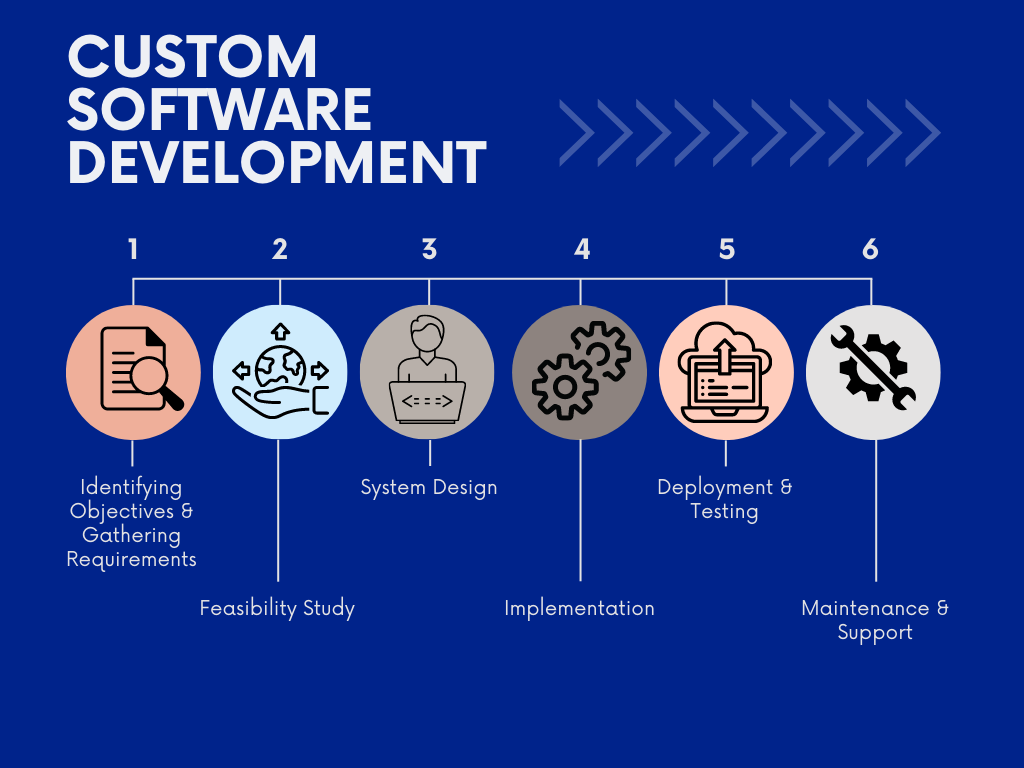
Custom software development is a complete process that can include requirements analysis, user experience design, architecture, programming, database development, integration, quality assurance, deployment, and maintenance. The resulting system is built for a particular business process, product, or audience.
The scope can vary considerably. One organization may require an internal approval platform, while another may need a customer-facing SaaS application. A healthcare organization may need role-based access and audit records, while a logistics business may prioritize scheduling, location information, and operational dashboards.
The defining characteristic is alignment with specific requirements. Instead of changing business processes simply to fit an existing application, custom development allows the technical workflow to reflect documented business rules.
However, customization does not automatically make software better. If requirements are unclear or the underlying process is inefficient, reproducing that process digitally can simply make the same problem faster. Discovery and process analysis should therefore happen before extensive coding.
What is custom web application development?
Custom web application development creates interactive software that users access through browsers. The application typically combines a frontend interface with backend logic, databases, authentication, APIs, and infrastructure.
What is the difference between a website and a web application?
A website primarily delivers information, while a web application enables users to perform actions and manage data. Examples include customer portals, online dashboards, booking platforms, project systems, marketplaces, and SaaS applications.
A training company, for example, could use a web application to manage students, courses, payments, assignments, instructors, and progress reports. Each user group can receive appropriate permissions while working with shared information.
Custom web app development tools can include frontend frameworks, backend technologies, database systems, cloud platforms, version-control systems, API services, and automated testing frameworks. Tool selection should follow project requirements rather than popularity alone.
How do you choose a custom software development company?
Selecting a development company requires more than comparing proposals. Businesses should assess relevant technical experience, communication processes, requirements analysis, quality assurance, security practices, documentation, deployment methods, and ongoing support.
A useful evaluation starts with questions about how the company handles discovery. Ask whether requirements are converted into user stories, specifications, prototypes, acceptance criteria, or other documented formats. Clear documentation creates a reference point for developers, testers, and stakeholders.
It is also important to discuss ownership and access. Confirm who controls source code repositories, cloud infrastructure, domains, databases, documentation, and third-party accounts. Establishing these details early can prevent operational problems later.
For organizations researching a custom software development company in India, compare engineering practices and project management methods alongside pricing and location. A lower initial quote does not necessarily represent lower total ownership cost.
What affects the cost and timeline of custom development?
Cost and timeline depend on application scope, number of users, complexity of workflows, integrations, design requirements, security controls, technology choices, testing depth, infrastructure, and support needs.
An application that requires several external integrations may involve more work than its visible interface suggests. Developers may need to handle authentication, API limitations, data mapping, synchronization failures, rate limits, webhooks, and error recovery.
The number of user roles can also affect complexity. Different permissions may require separate workflows, dashboards, approval rules, and access controls.
A phased approach can reduce unnecessary initial scope. Teams can identify essential functionality, release a focused first version, gather user feedback, and prioritize later enhancements using actual usage data.
Testing should be planned throughout development. Functional testing checks whether requirements work correctly, while performance, security, compatibility, and usability testing examine other risks. Critical workflows should be tested with realistic data and representative user scenarios.
When should a business build custom software?
Custom software can be appropriate when standard products cannot support critical requirements, when manual work creates measurable operational problems, or when a company needs functionality that forms part of its digital product.
Before committing, compare the expected benefits with the total ownership requirements. Consider development, infrastructure, maintenance, security, training, support, upgrades, and future changes.
Businesses should also avoid treating launch as the end of the project. Monitoring, backups, security updates, performance analysis, and user feedback help keep the application reliable as requirements evolve.
Conclusion
Custom software development should begin with a clearly defined business problem rather than a predetermined technology. Custom Web App Development can provide flexible browser-based workflows when users, data, permissions, and integrations need to work together. Careful discovery, realistic scope, transparent development practices, comprehensive testing, and lifecycle planning help businesses build systems that remain useful as their operations grow. Microlent Systems can be assessed against these practical factors when evaluating development options.
