What Should Engineers Check in a Switchboard Before Installation?
Author : HitokaCece HitokaCece | Published On : 21 Sep 2026
A switchboard is the central point where power is distributed to different circuits in a building or facility. It must be installed correctly the first time because mistakes can be dangerous and expensive to correct. A pre installation inspection catches problems while the switchboard is still on the floor, before cables are terminated and the system is energized.
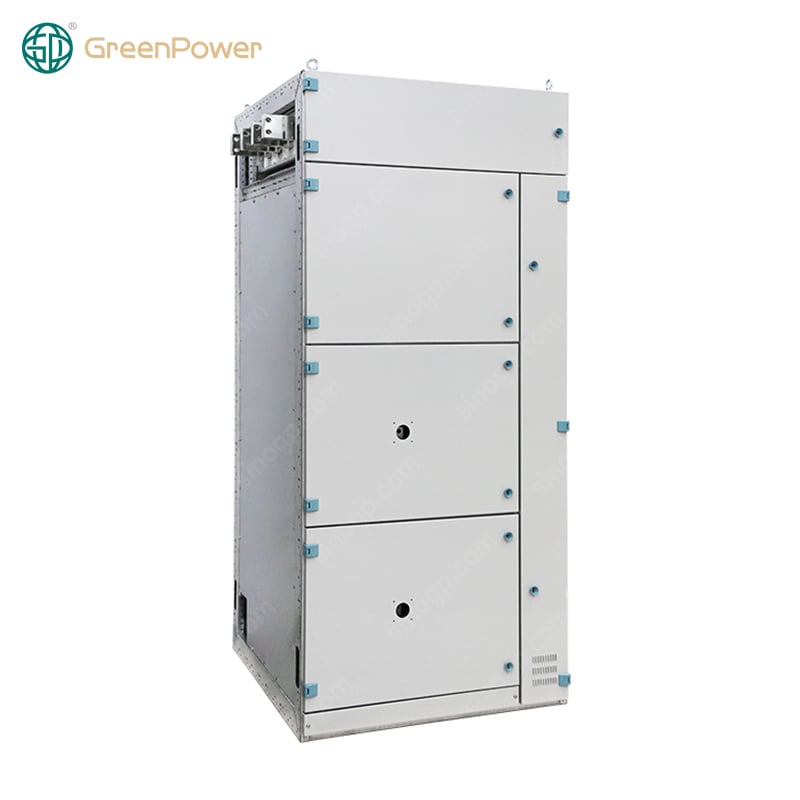
Switchboard Busbar and Mechanical Inspection
The first check is mechanical. The switchboard should be level and aligned with the foundation. Busbars should be straight, properly spaced, and securely bolted. The torque on busbar connections must match the manufacturer’s specification. A loose connection creates heat and can lead to a fire. The inspector should use a calibrated torque wrench and record the values.
Insulation resistance is the next check. Each phase and the neutral should be tested against earth and against each other. The readings should be within the manufacturer’s recommended range. A low reading indicates moisture, contamination, or damaged insulation. The switchboard should be clean and dry before testing. Heaters may be needed in humid conditions to prevent condensation.
Switchboard Protection and Labeling Checks
Protection devices must be checked before energization. Circuit breakers should be the correct rating and type for each circuit. Earth leakage devices should be tested with a tester to confirm they trip at the correct current. Surge protection devices should be installed if specified. The inspector should verify that the protection settings match the coordination study.
Labeling is a safety requirement. Every circuit should be labeled with a unique identifier that matches the distribution board schedule. Warning signs should be in place for live parts and arc flash hazards. Cable entries should be sealed to maintain the ingress protection rating. A switchboard that is well labeled is easier to maintain and safer to operate.
Switchboard Documentation and Energization Preparation
Documentation confirms that the switchboard was built and tested correctly. The inspector should review the test certificates, torque records, and insulation resistance results. The manufacturer’s instructions should be on site. A single line diagram and a circuit schedule should be available for the commissioning team.
Before energization, the area should be clean and access should be controlled. Only authorized personnel should be present. The energization procedure should be reviewed and agreed. The first energization should be done at no load to confirm that voltages are correct and protection devices are functioning. After that, loads can be added one by one. Following a structured checklist reduces risk and ensures the switchboard starts service safely.
Conclusion
Engineers should check busbar torque, insulation resistance, protection settings, labeling, and documentation before installing and energizing a switchboard. A structured inspection catches problems early and prevents dangerous failures. The effort invested before installation pays back in reliable, safe operation.
