What’s Really Causing That Poor Brass Response? Start With These Yamaha Replacement Parts
Author : Tope Band Supply Co | Published On : 17 Aug 2026
Introduction
A brass instrument can suddenly feel different even when there is no obvious damage. Valves may become slower, notes may feel less responsive, or the instrument may require more effort to play. Many musicians initially assume that the problem comes from their technique, but the real cause can often be a small mechanical component.
For regular players, band students, marching musicians, and professional performers, these small issues can become frustrating if they are ignored. The good news is that a poor response does not automatically mean you need to replace the entire instrument.
The right replacement component, proper cleaning, and professional inspection can often restore smooth operation.
When looking for yamaha euphonium parts, musicians should focus on compatibility, instrument configuration, and the specific problem affecting performance.
When Brass Performance Starts Changing
Imagine you're preparing for an important concert and suddenly notice that your euphonium's second valve isn't moving as smoothly as it used to.
You apply valve oil, practice again, and the problem seems better. A few days later, however, the valve begins sticking again.
This situation is common among frequently played brass instruments.
Some common warning signs include:
-
Valves moving more slowly than usual
-
A valve failing to return quickly
-
Unusual resistance while playing
-
Certain notes feeling difficult to produce
-
Inconsistent response between valves
-
Unusual mechanical sounds
-
Increased need for lubrication
-
A noticeable change in playing comfort
These symptoms shouldn't automatically be blamed on the player. A mechanical inspection can reveal whether a worn or damaged component is affecting the instrument.
Find the Cause Before Replacing Parts
The best repair strategy starts with diagnosis.
Instead of immediately replacing multiple components, examine the instrument systematically.
Step 1: Check the valve movement
Press each valve several times and compare its movement with the others.
Look for:
-
Slow movement
-
Uneven resistance
-
Sticking
-
Side-to-side movement
-
Failure to return completely
If only one valve behaves differently, that can provide an important clue.
Step 2: Inspect the valve components
Valve operation depends on several small components working together. Wear, dirt, damage, or incorrect installation can affect movement.
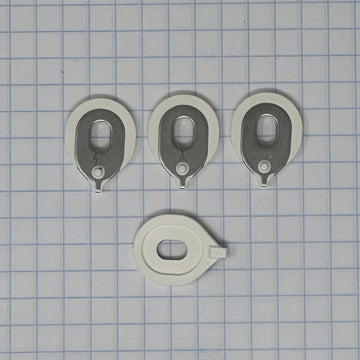
For musicians working with larger brass instruments, valve guides yamaha 3 or 4 valve tuba sousaphone others can be relevant when the problem involves valve positioning or movement.
The exact replacement should always be matched to the instrument rather than selected simply because it looks similar.
Step 3: Check cleaning and lubrication
Sometimes the problem isn't a damaged part at all.
Regular maintenance can help prevent:
-
Dirt accumulation
-
Excessive friction
-
Sluggish valve movement
-
Unnecessary component wear
Use maintenance products appropriate for the instrument and follow the manufacturer's care recommendations.
Step 4: Ask a repair professional when necessary
If the problem continues after basic maintenance, professional inspection is the safer option.
A qualified repair technician can determine whether the problem involves:
-
Valve guides
-
Springs
-
Valve stems
-
Valve alignment
-
Valve casing condition
-
Other internal components
Why the Correct Replacement Part Matters
A replacement component isn't simply something that needs to physically fit inside the instrument.
Its dimensions, construction, and compatibility can affect how the entire valve mechanism operates.
Choosing the correct component can help with:
-
Smooth valve movement
-
Proper alignment
-
Consistent response
-
Reliable mechanical operation
-
Reduced unnecessary wear
-
Easier routine maintenance
Using a part that is only “close enough” can potentially create additional problems. That's why musicians should confirm the instrument model and configuration before purchasing replacement components.
For example, musicians searching for yamaha euphonium 4 valve repair kits should verify that the kit corresponds to the specific instrument before beginning a repair.
A Small Issue With a Big Effect
Valve alignment is one of those technical details that players may not notice until something goes wrong.
When a valve isn't positioned correctly, the internal air passages may not line up as intended. The player may then notice changes in response or resistance.
Possible signs of alignment problems include:
-
Notes responding differently than expected
-
Increased playing resistance
-
Uneven valve action
-
Reduced comfort during fast passages
-
Changes in overall instrument response
This is particularly important for musicians who perform frequently because small mechanical inconsistencies can become much more noticeable during demanding performances.
Marching Instruments Need Extra Attention
Marching musicians deal with conditions that stationary concert players may not experience.
Instruments can be exposed to:
-
Frequent transportation
-
Outdoor temperatures
-
Dust
-
Repeated handling
-
Long rehearsals
-
Continuous performance use
For players searching for valve guides yamaha baritone marching, compatibility should be checked carefully before ordering a replacement.
A marching instrument needs dependable mechanical operation because a sticking valve during a performance can affect both timing and confidence.
How to Prevent Small Problems From Becoming Major Repairs
Good maintenance is one of the easiest ways to protect a brass instrument.
Make these habits part of your routine:
-
Clean the instrument regularly.
-
Lubricate valves appropriately.
-
Check valve movement before important performances.
-
Don't force a sticking valve.
-
Store the instrument safely.
-
Protect it during transportation.
-
Inspect components for visible wear.
-
Address unusual mechanical behavior early.
A five-minute inspection can sometimes identify a developing problem before it becomes a major repair.
What Musicians Should Look for When Buying Replacement Parts
Before ordering any replacement component, consider several important factors.
1. Instrument model
Make sure the component is intended for your particular instrument.
2. Valve configuration
The number and configuration of valves can affect compatibility.
3. Part specifications
Don't rely only on appearance. Dimensions and design can matter.
4. Condition of the original component
Compare the replacement requirement with the existing part and determine what actually needs to be replaced.
5. Professional advice
If you aren't sure about compatibility or installation, consult a brass repair technician.
Make Repairs Less Stressful
Many musicians delay repairs because they assume the process will be expensive or complicated.
However, identifying the problem early can make the repair process much simpler.
Instead of saying:
“My instrument doesn't sound right.”
Try describing the exact symptom:
-
“The third valve is slower than the others.”
-
“The valve sticks after several minutes of playing.”
-
“The response changed after transportation.”
-
“The valve doesn't return completely.”
-
“The instrument feels more resistant than before.”
Specific information gives a repair technician a much better starting point.
Why Small Parts Matter So Much
Brass instruments are made from many components that work together as a single system.
A small component can influence:
-
Valve movement
-
Alignment
-
Airflow
-
Playing response
-
Mechanical consistency
-
Player comfort
That is why replacing the right component can sometimes make a noticeable difference without requiring a complete instrument replacement.
The goal isn't simply to replace something that looks worn. The goal is to identify the actual cause of the performance problem.
FAQ
1. Why does my brass instrument have poor response?
Poor response can be caused by several factors, including dirty valves, insufficient lubrication, worn components, alignment issues, or mechanical damage. A proper inspection can help identify the specific cause.
2. Does poor valve movement always mean I need a new valve?
No. The problem may involve a smaller component or maintenance issue. Cleaning, lubrication, adjustment, or replacing a specific worn component may solve the problem.
3. Why is compatibility important when purchasing replacement parts?
Different instruments and configurations can require different components. A part that looks similar may not have the correct dimensions or design for your instrument.
4. How often should brass instruments be inspected?
The ideal frequency depends on how often the instrument is played. Musicians who practice or perform frequently should monitor valve movement and general condition regularly.
5. Can I install replacement parts myself?
Some basic maintenance can be performed by players, but complicated mechanical repairs are better handled by a qualified brass repair technician. Incorrect installation can create additional problems.
6. Can replacement parts extend the life of a brass instrument?
Yes. Replacing worn or damaged components can help restore mechanical performance and potentially extend the useful life of an otherwise serviceable instrument.
7. What should I do if my valve keeps sticking?
Start with appropriate cleaning and lubrication. If the valve continues sticking, avoid forcing it and have the instrument inspected to identify whether a component needs adjustment or replacement.
Conclusion
Poor brass response can be frustrating, especially when you're preparing for a performance. But a change in response doesn't necessarily mean your instrument has reached the end of its useful life.
The smarter approach is to identify the symptom, inspect the relevant components, verify compatibility, and replace only what is actually required. Regular maintenance and early attention to mechanical problems can also help prevent small issues from becoming expensive repairs.
For musicians looking for reliable Yamaha replacement solutions, Tope Band Supply Co. is a useful destination to explore Yamaha-related brass instrument components. Whether you're maintaining an instrument for everyday practice, preparing for a concert, or keeping a marching instrument ready for performance, choosing the appropriate replacement part can help keep your trusted instrument playing smoothly
