What Musicians Often Get Wrong About Instrument Care—and How to Fix It
Author : Tope Band Supply Co | Published On : 24 Aug 2026
Introduction
Musicians spend countless hours practicing scales, perfecting techniques, and preparing for performances, but there is one part of playing that is often overlooked: taking proper care of the instrument. A well-maintained instrument does more than look clean. It can respond better, remain reliable, preserve its tone, and potentially avoid unnecessary repair costs.
The biggest misconception is that instrument care only matters when something goes wrong. In reality, maintenance should be a regular part of every musician’s routine. Dust, moisture, temperature changes, friction, residue, and everyday handling can gradually affect an instrument even when there are no obvious warning signs.
This is particularly important for students, teachers, performers, bands, orchestras, and anyone who depends on an instrument regularly. Understanding what musicians commonly get wrong—and replacing those habits with practical solutions—can make a noticeable difference.
Where Musicians Commonly Go Wrong
Imagine a drummer arriving at rehearsal after transporting equipment in a vehicle. The cymbals have fingerprints, dust has collected around the hardware, and the drum surfaces have not been checked for several weeks. Everything appears playable, so the musician starts practicing.
Another musician may finish a violin lesson, place the instrument directly into its case, and forget about it until the next session. Over time, rosin residue can accumulate, strings can become dirty, and small areas of the instrument may receive little attention.
These situations are extremely common because musicians naturally prioritize playing over maintenance. However, postponing simple care can allow minor issues to become larger ones.
One of the most useful habits is to develop a quick post-playing routine. Wipe appropriate surfaces, inspect moving or contact points, check accessories, and store everything correctly. A few minutes of attention can be much easier than dealing with a damaged or poorly functioning instrument later.
The Problem With a “Clean It When It Looks Dirty” Approach
Visual appearance is not always a reliable indicator of an instrument’s condition. Some problems develop gradually and may not become obvious until they begin affecting performance.
For example, accumulated residue can interfere with smooth movement, while moisture may create long-term problems if an instrument is stored improperly. Accessories can also deteriorate without receiving attention, potentially affecting playability.
A better approach is preventive maintenance. Instead of asking, “Does my instrument look dirty?” ask, “What does my instrument need after regular use?”
For percussionists, regular cymbal and drum care cleaning can help remove unwanted buildup and keep surfaces in better condition. The appropriate cleaning method depends on the material and finish, so musicians should always follow manufacturer recommendations rather than applying household cleaners indiscriminately.
Small Accessories Can Make a Big Difference
Instrument maintenance is not limited to the main instrument. Small accessories often have an important role in keeping an instrument functional.
Consider a musician who suddenly finds that a joint, fitting, or mechanism is difficult to operate. The first reaction may be to force it or assume that professional repair is immediately necessary. In some situations, however, appropriate accessory care can prevent unnecessary stress on components.
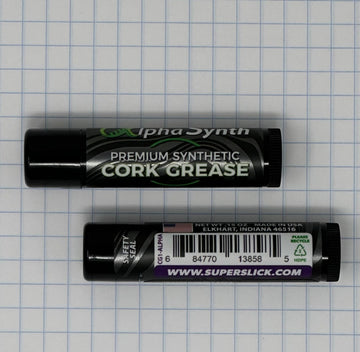
For musicians who use applicable cork fittings, having cork grease superslick alphasynth 2 tubes available can make routine maintenance more convenient. The important principle is to use products designed for the specific application and avoid improvising with unsuitable household substances.
Using the right maintenance product at the right time is not about excessive care. It is about reducing friction, supporting proper operation, and avoiding habits that can create additional problems.
A Better Problem-Solving Approach
Effective instrument care begins with identifying the cause of a problem rather than simply treating the symptom.
If an instrument suddenly feels different, ask a few basic questions:
-
Has it been cleaned recently?
-
Has it been exposed to unusual heat, cold, or humidity?
-
Are the strings, pads, fittings, or contact surfaces showing signs of wear?
-
Has an accessory become damaged or ineffective?
-
Was the instrument stored correctly after its last use?
-
Has the same issue appeared repeatedly?
This approach helps musicians distinguish between routine maintenance and problems that require professional attention.
Another useful strategy is to divide maintenance into three levels.
Daily care should involve simple actions after playing, such as wiping appropriate surfaces and returning accessories to their proper storage locations.
Weekly or periodic care can involve closer inspection of components, cleaning according to manufacturer guidance, checking accessories, and looking for early signs of wear.
Professional maintenance should be considered when there are structural concerns, persistent mechanical issues, unusual sounds, loose components, or problems that routine care cannot resolve.
This three-level approach prevents both extremes: neglecting an instrument and over-maintaining it unnecessarily.
Making Maintenance Easier for Busy Musicians
One reason musicians avoid maintenance is that they imagine it requires a large amount of time. It doesn't have to.
The key is consistency.
Instead of scheduling an intimidating “maintenance day,” attach simple care tasks to existing habits. After a rehearsal, spend a few minutes checking the instrument before putting it away. After a performance, clean appropriate surfaces before packing everything. When replacing strings or making another routine adjustment, inspect surrounding components as well.
Storage is equally important. A good case protects an instrument from accidental impacts, while appropriate environmental conditions can help reduce unnecessary stress caused by temperature and humidity changes.
Musicians should also keep maintenance supplies organized. When the correct cloth, brush, lubricant, or cleaning accessory is easy to find, the likelihood of actually using it increases.
Caring for String Instruments the Right Way
String instruments require particular attention because their sound depends on a combination of delicate materials, strings, fittings, and carefully constructed surfaces.
A violin and viola care cleaning kit can provide convenient tools for routine maintenance when used according to the instrument and product manufacturer's instructions. Regular attention can help musicians identify residue, dirt, or developing issues before they become distracting during practice or performance.
However, more cleaning is not necessarily better. Aggressive rubbing, inappropriate chemicals, or excessive moisture can potentially cause damage. Musicians should always use suitable products and techniques for their specific instrument.
For valuable or delicate instruments, professional advice is especially important. Routine cleaning should complement—not replace—expert inspection when something appears unusual.
Why Better Care Improves the Playing Experience
There is a psychological benefit to maintaining an instrument, too.
When musicians know their equipment is clean, organized, and ready to perform, they can focus more confidently on music. There is less distraction from sticky mechanisms, unwanted residue, loose accessories, or unexpected performance issues.
For beginners, developing good maintenance habits early can also build a stronger sense of responsibility toward their instrument. For professionals, consistent care can support reliability during rehearsals, recordings, lessons, and performances.
Think of maintenance as part of musicianship rather than an annoying task that comes after musicianship. The instrument is the connection between the musician and the audience. Taking care of that connection makes practical sense.
Avoid These Common Instrument-Care Mistakes
Several mistakes are worth avoiding.
-
First, don't use a random household cleaner simply because it is available. Different instrument materials can react differently to cleaning products.
-
Second, don't ignore small changes. A new rattle, stiffness, unusual response, or visible damage may deserve attention before it develops into a bigger issue.
-
Third, don't store a damp instrument without considering its material and manufacturer's storage recommendations.
-
Fourth, don't force components that aren't moving normally. Excessive pressure can turn a minor maintenance issue into a repair problem.
Finally, don't assume that expensive instruments automatically take care of themselves. In fact, valuable instruments often deserve even greater attention to storage, cleaning, and professional servicing.
FAQ
1. How often should I maintain my musical instrument?
Basic care should generally happen after regular use, while deeper maintenance can be performed periodically according to the instrument type and manufacturer's recommendations. Instruments used frequently may require more regular attention.
2. Can I use household cleaning products on my instrument?
It is better to avoid experimenting with household cleaners. Some products can damage finishes, materials, or components. Always choose a product specifically appropriate for the instrument and follow its instructions.
3. Is professional maintenance still necessary if I clean my instrument regularly?
Yes. Routine cleaning can help with everyday care, but professional maintenance may be necessary for structural, mechanical, or persistent problems that cannot be safely addressed through normal cleaning.
4. Why is storage important for instrument care?
Storage protects the instrument between uses. A suitable case and appropriate environmental conditions can help reduce exposure to impacts, dust, moisture, and extreme temperature changes.
5. What is the biggest instrument-care mistake musicians make?
One of the most common mistakes is waiting until there is an obvious problem. Preventive care is generally easier than trying to correct damage after it has developed.
6. Should beginners learn instrument maintenance?
Absolutely. Learning basic care from the beginning can help musicians develop responsible habits, understand their equipment, and recognize when professional assistance may be needed.
Conclusion
Good instrument care is ultimately about prevention. Musicians don't need complicated routines to protect their instruments; they need consistent habits, suitable maintenance products, careful storage, and the ability to recognize early warning signs before minor problems become expensive repairs.
From cleaning after regular playing to checking accessories and handling instruments correctly, every small step contributes to a more reliable playing experience. Tope Band Supply provides musicians with practical instrument-care products and accessories that can support a consistent maintenance routine for different types of instruments.
Whether you're a beginner learning your first notes, a student preparing for a school performance, or an experienced musician getting ready for a professional event, regular maintenance should be treated as part of musicianship—not as an afterthought. Taking care of your instrument today can help you keep it ready for tomorrow's rehearsal, recording, lesson, or performance.
With the right habits and dependable products from Tope Band Supply, musicians can spend less time dealing with avoidable instrument problems and more time doing what they love—making music.
