What Miami Homeowners Should Know About Insulation Around Attic Storage Areas
Author : Attic Insulation Plus Miami | Published On : 29 Oct 2026
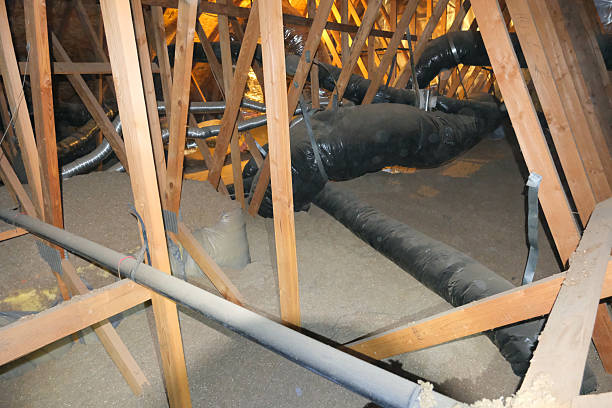
Attic storage areas can be useful for keeping seasonal decorations, holiday supplies, luggage, and other household items organized. However, storing belongings in the attic requires more than adding shelves or placing boxes on the floor. Homeowners must also consider insulation, ventilation, moisture control, and safe access to stored items. Without proper planning, attic storage can reduce insulation performance, affect indoor comfort, and contribute to higher energy bills.
In Miami, where temperatures are high and humidity is a regular concern, maintaining effective attic insulation is especially important. Homeowners should understand how storage arrangements affect insulation and what steps can help keep their homes comfortable and energy-efficient throughout the year.
Why Attic Insulation Matters in Miami Homes
Attics can become extremely hot during Miami's warm weather. Heat from the roof can transfer into the living areas below, making air conditioning systems work harder to maintain comfortable indoor temperatures. Proper insulation slows this heat transfer and helps reduce the impact of outdoor conditions on indoor comfort.
Insulation is particularly important in homes that use their attics for storage. Moving around boxes, installing shelves, or creating walking areas can disturb existing insulation. If insulation becomes compressed, displaced, or uneven, some parts of the attic may allow more heat to pass through.
Homeowners should inspect the attic before making changes to its storage layout. Understanding the existing insulation condition can help prevent unnecessary damage and identify areas that need attention.
How Attic Storage Can Affect Insulation Performance
Using an attic for storage does not automatically reduce insulation effectiveness. Problems often develop when stored items cover insulation, compress it, or interfere with important parts of the attic structure.
1. Compressed Insulation
Many attics use fiberglass batt insulation between ceiling joists. This material works by trapping air within its fibers. When heavy boxes or boards press directly against the insulation, the material can become compressed and lose some of its insulating ability.
Homeowners should avoid placing heavy items directly on insulation. If regular attic access is necessary, a properly supported storage platform or raised walkway can provide a more suitable surface without crushing the material beneath it.
2. Covered Insulation
Cardboard boxes, plastic containers, and stored furniture can cover sections of the attic floor. Although covering insulation does not always cause a problem, densely packed storage can make it harder to inspect the material for dampness, damage, pests, or gaps.
Leave enough room to examine the attic periodically. Keep storage organized so that insulation remains accessible for maintenance and inspection.
3. Uneven Insulation Coverage
Moving boxes or installing storage equipment can shift insulation away from certain areas. Gaps around ceiling joists, corners, and attic access openings may allow heat to move more easily between the attic and living space.
Check for exposed sections and displaced batts after rearranging storage. Any repairs should maintain the correct insulation depth and avoid blocking ventilation openings.
Choosing the Right Insulation for Attic Storage Areas
The best insulation approach depends on the attic's design, existing materials, available space, and intended use. Fiberglass batt insulation is a common option because it can fit between framing members and provide thermal resistance when installed correctly.
Professional Batt Insulation Services can help homeowners determine whether their current insulation is suitable for the attic's layout and whether damaged or missing sections need attention.
When planning a storage area, consider the following points:
-
Insulation depth: Maintain the recommended insulation thickness for the home's needs and local climate.
-
Storage support: Use suitable platforms or shelving supported by appropriate structural framing rather than placing weight on insulation.
-
Ventilation: Keep soffit vents and other designed ventilation pathways clear where the attic uses a vented assembly.
-
Access: Ensure that stored items do not prevent safe entry or block access to important building components.
-
Electrical safety: Keep insulation and stored materials clear of fixtures or equipment that require specific safety clearances.
The attic should be evaluated as a complete space, not simply as an area that needs more insulation. Storage improvements must work with the home's structure and moisture-management requirements.
Moisture Control and Humidity in Attic Storage Areas
Miami's humid climate makes moisture management an important part of attic maintenance. Moisture can enter through roof leaks, plumbing problems, air leaks, or condensation under certain conditions. When insulation becomes damp, its performance may decline, and the surrounding materials may become vulnerable to mold or deterioration.
Storage can make these problems harder to identify. Boxes placed against roof framing or packed tightly over insulation may hide water stains and damp areas. Homeowners should periodically inspect accessible parts of the attic for musty smells, discoloration, damaged wood, and signs of pests.
If insulation is wet, do not simply cover it with a fresh layer. First, identify and correct the moisture source. Depending on the extent of the damage, affected insulation may need professional removal and replacement.
Ventilation requirements also depend on the attic design. A traditional vented attic and a sealed, unvented attic manage heat and moisture differently. Homeowners should not block existing vents or add ventilation equipment without understanding how the roof assembly is designed to function.
Can You Add New Insulation Over Existing Insulation?
Adding insulation over existing material may be a practical way to improve thermal performance when the original insulation is clean, dry, and in reasonable condition. However, the attic should be inspected before additional material is installed.
The guide Can You Add New Insulation Over Old Attic Insulation? provides further information about the factors homeowners should consider before upgrading an existing attic.
Before adding insulation, check for the following issues:
-
Water damage: Repair roof leaks or other sources of moisture before installing additional material.
-
Pest activity: Address rodents, insects, and contaminated insulation before proceeding.
-
Insulation gaps: Restore displaced material and seal appropriate air leaks before adding more insulation.
-
Storage requirements: Determine whether the planned storage platform will compress the existing insulation or restrict access to essential components.
Adding more insulation is not always the right solution. If the existing material is wet, contaminated, severely damaged, or concealing a larger problem, removal and replacement may be necessary. A professional inspection can help determine the most appropriate approach.
Safe Storage Practices for Miami Attics
An organized attic can provide valuable storage without compromising insulation, provided homeowners plan the space carefully. The goal is to keep belongings accessible while protecting the thermal barrier and maintaining safe working conditions.
Use Raised Platforms and Suitable Shelving
Storage platforms should be designed to carry the expected load and supported by appropriate framing. Do not assume ceiling joists can support heavy storage simply because they are accessible. Check the structural capacity before installing permanent flooring, heavy shelving, or large storage systems.
Raised platforms can help preserve insulation depth, but they must be designed correctly. Avoid crushing insulation underneath the platform or covering electrical components that require access.
Keep Stored Items Away From Roof and Electrical Components
Do not stack boxes against roof framing if doing so hides signs of leaks or damages building materials. Keep access routes clear and avoid disturbing wiring, junction boxes, recessed lights, and HVAC equipment.
Electrical fixtures have different insulation-contact requirements. Follow the fixture's safety labeling and applicable building codes rather than assuming all lights can safely be covered.
Choose Storage Containers Carefully
Durable plastic containers can help protect belongings from dust and occasional airborne debris. However, containers do not prevent damage caused by roof leaks, excessive humidity, or condensation.
Avoid storing moisture-sensitive items directly against potentially damp surfaces. Check stored belongings periodically, particularly after severe storms or roof repairs.
When Should You Upgrade Attic Insulation?
Several signs suggest that an attic may need professional attention. These include uneven insulation coverage, unusually hot rooms, rising cooling costs without another clear explanation, visible water damage, and insulation that appears flattened or deteriorated.
Homeowners should also arrange an inspection after roof repairs, pest removal, electrical work, or major changes to attic storage. These activities can disturb insulation or reveal previously hidden problems.
If you live near the coast, weather exposure and humidity deserve particular attention. A professional can assess the attic's condition, review its existing insulation, and recommend improvements suited to the home's construction.
For local assistance, Attic Insulation Miami Beach is a relevant resource for homeowners looking into insulation options in the Miami area. An assessment can help identify whether the attic needs additional insulation, repairs, air sealing, or a different approach to managing the roof assembly.
Benefits of Properly Managing Attic Storage and Insulation
Maintaining insulation while organizing attic storage offers several potential benefits:
-
Improved indoor comfort: Effective insulation helps limit unwanted heat transfer through the ceiling or roof assembly.
-
Better energy efficiency: Reducing heat gain can help lower cooling demand, although actual savings depend on the home and its existing systems.
-
Earlier problem detection: Accessible insulation and organized storage make it easier to spot leaks, pests, and damaged materials.
-
Longer-lasting building materials: Addressing moisture and insulation problems early can help protect roof framing and ceiling components.
-
More practical storage: Properly planned platforms and walkways can make stored belongings easier to reach without repeatedly disturbing insulation.
These benefits depend on correct installation, suitable attic design, and regular maintenance. Insulation alone cannot resolve every source of heat gain or moisture.
Conclusion
Attic storage can be a practical addition to a Miami home, but it should not come at the expense of insulation performance or building safety. Compressed insulation, hidden moisture, blocked ventilation pathways, and poorly supported storage platforms can create problems that are expensive to correct later.
Before organizing an attic, inspect the existing insulation and identify any signs of damage. Use properly supported storage systems, maintain required clearances around electrical equipment, and preserve the attic's intended ventilation or sealed design.
When insulation needs repair or improvement, professional guidance can help homeowners choose an appropriate solution. With careful planning and routine inspections, Miami homeowners can make better use of attic storage while supporting indoor comfort, energy efficiency, and the long-term condition of their homes.
Frequently Asked Questions
1. Can I store boxes directly on attic insulation?
No. Boxes can compress insulation and reduce its effectiveness. Use a properly supported platform or suitable shelving that preserves insulation depth and provides safe access.
2. Does attic storage increase cooling costs?
It can if storage compresses insulation, creates gaps, or interferes with the attic's intended design. Properly planned storage should minimize these risks.
3. Should wet attic insulation be covered with new insulation?
No. Find and repair the moisture source first. Wet, contaminated, or damaged insulation may need to be removed and replaced before new material is installed.
4. Which insulation is suitable for attic storage areas?
Fiberglass batt insulation is one option for suitable attic assemblies. The right choice depends on the home's design, moisture conditions, insulation requirements, and storage plans.
5. How often should I inspect attic insulation?
Inspect it periodically and after roof repairs, major attic work, or storms that may have caused damage. Arrange a professional assessment if you notice dampness, mold-like growth, pest activity, or damaged insulation.
