What Miami Homeowners Should Know About Insulation Around Attic Exhaust Fans
Author : Attic Insulation Plus Miami | Published On : 11 Nov 2026
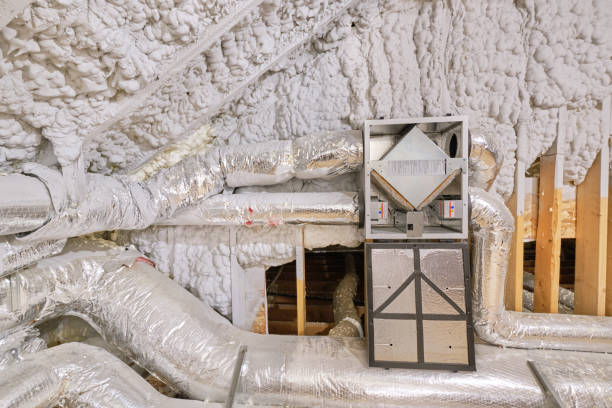
Attic exhaust fans play an important role in managing heat buildup and improving airflow inside residential properties. In Miami, where high temperatures, humidity, and strong sunlight are common throughout much of the year, these fans can help remove excess hot air from attic spaces. However, their performance depends on more than the fan itself. The insulation surrounding the fan and its housing also deserves attention.
Improper insulation around attic exhaust fans can allow conditioned air to escape, introduce unwanted outdoor air, and create opportunities for moisture problems. These issues may affect indoor comfort, increase energy consumption, and place additional demands on air conditioning systems. Understanding how insulation and attic ventilation work together can help Miami homeowners maintain a more comfortable and energy-efficient property.
Why Attic Exhaust Fans Matter in Miami Homes
Attics can become extremely hot during Miami's warmer months. Direct sunlight heats roofing materials, transferring thermal energy into the attic space. Without adequate ventilation, this heat can accumulate and affect the temperature of rooms below.
Attic exhaust fans help move hot air out of the attic, supporting the movement of air through the ventilation system. When properly installed and operated, they can reduce excessive heat accumulation and support a healthier attic environment.
However, ventilation alone does not solve every attic temperature problem. Insulation helps limit heat transfer between the attic and the living space, while air sealing reduces unwanted air movement through gaps and openings.
When these components work together, homeowners can better manage indoor temperatures and reduce unnecessary energy loss.
Understanding Insulation Around Attic Exhaust Fans
An attic exhaust fan usually includes a fan assembly, mounting frame, housing, electrical connections, and an opening through the ceiling or roof assembly. The exact arrangement depends on the fan design.
The area surrounding the fan can become a weak point in the home's insulation system if it is not properly sealed and insulated.
For example, gaps between the fan housing and surrounding ceiling materials may allow conditioned indoor air to escape into the attic. Similarly, poorly fitted insulation can leave exposed areas where heat moves more easily between the attic and living space.
Homeowners should understand that insulation must be installed according to the fan manufacturer's clearance and installation requirements. Electrical components and motor housings may require specific clearances, so insulation should never be packed against equipment unless the manufacturer specifically permits it.
A professional inspection can help identify the correct approach for insulating around the fan without interfering with its operation.
Common Insulation Problems Around Attic Exhaust Fans
Several problems can develop when attic exhaust fans are not properly integrated into the insulation and air-sealing system.
Gaps Around the Fan Housing
Small openings around the fan frame can create pathways for air leakage. During hot weather, conditioned air from the home may move into the attic through these gaps. This can make it harder for the air conditioning system to maintain comfortable indoor temperatures.
Gaps may develop because of poor installation, aging materials, renovations, or changes to the surrounding insulation.
Displaced or Compressed Insulation
Insulation sometimes gets moved during electrical work, fan replacement, or other attic maintenance. If it is not returned to its proper position, the area around the fan may have reduced thermal protection.
Compressed insulation can also lose some of its effectiveness because its performance depends partly on maintaining the intended thickness and installation quality.
Improper Air Sealing
Insulation and air sealing perform different functions. Insulation slows heat transfer, while air sealing limits uncontrolled airflow through cracks and openings.
A fan opening that has insulation nearby but remains unsealed may still allow significant air leakage. Addressing both issues is important when improving attic performance.
Moisture and Humidity Concerns
Miami's humid climate makes moisture management especially important. Air leakage between conditioned living spaces and the attic can contribute to condensation under certain temperature and humidity conditions.
Moisture can also enter through roof leaks, damaged flashing, or poorly maintained ventilation components. Wet insulation may lose effectiveness and create conditions that support mold growth.
Homeowners should investigate the source of moisture rather than simply covering affected insulation with new material.
How Poor Insulation Can Affect Energy Efficiency
Air conditioning is an important part of everyday comfort in Miami homes. When conditioned air escapes through gaps around attic exhaust fans, cooling systems may need to operate longer to maintain the desired indoor temperature.
This can contribute to higher electricity consumption and increased utility expenses.
Poor insulation around fan openings may also allow additional heat to transfer into the living space. As attic temperatures rise, weaknesses in the ceiling insulation system can become more noticeable.
Improving insulation coverage and sealing appropriate gaps can help reduce unwanted heat transfer and air leakage.
However, homeowners should remember that an attic exhaust fan is not automatically an energy-saving upgrade. Depending on the home's ventilation design, an exhaust fan can sometimes draw conditioned air from the living space into the attic if the ceiling plane is not properly sealed or if adequate intake ventilation is unavailable.
A professional assessment can determine whether the fan is operating effectively and whether improvements to insulation, air sealing, or ventilation are appropriate.
The Importance of Proper Attic Ventilation
Attic ventilation and insulation should be treated as connected parts of the same building system.
Exhaust fans remove air from attic spaces, but that air must be replaced through suitable intake ventilation. Without sufficient intake airflow, the fan may create negative pressure and pull air through unintended openings in the ceiling.
This is one reason homeowners should pay attention to the relationship between ventilation and insulation.
Our related article, How Attic Ventilation Affects Insulation and Maximum Efficiency, explains how proper airflow and insulation work together to support attic performance.
A balanced ventilation system can help manage heat and moisture while reducing the likelihood of unwanted airflow through the living space.
Why Air Sealing Is Important Around Attic Exhaust Fans
Air sealing is an important step in addressing gaps and openings around attic components. Even small openings can contribute to ongoing air leakage when they connect conditioned areas with unconditioned attic spaces.
Professional air sealing services can help identify and address suitable gaps around ceiling penetrations, framing connections, and other areas where uncontrolled airflow occurs.
When working around attic exhaust fans, contractors should consider several factors:
-
The manufacturer's installation and insulation clearance requirements.
-
The condition of the fan housing and surrounding materials.
-
Electrical wiring and other nearby components.
-
Existing attic insulation coverage and thickness.
-
Potential pathways for conditioned air leakage.
-
Whether intake and exhaust ventilation are properly balanced.
The goal is to create an effective air barrier without blocking necessary ventilation openings or interfering with the fan's operation.
It is important to distinguish between sealing the gaps around a fan assembly and blocking the fan's intended airflow. The fan's intake and exhaust pathways must remain unobstructed.
Signs That Your Attic Exhaust Fan Area Needs Attention
Homeowners may not regularly inspect their attic spaces, but certain signs can indicate problems around exhaust fans or nearby insulation.
Watch for the following:
Uneven indoor temperatures: If rooms directly below the attic feel warmer than others, insulation gaps or air leakage may be contributing factors.
Unusually high cooling costs: Unexpected increases in electricity consumption may indicate that the home's insulation or air-sealing system needs attention.
Visible insulation gaps: Missing, displaced, or compressed insulation around the fan assembly can reduce thermal protection.
Moisture or musty odors: Damp insulation, water stains, or unusual smells may indicate ventilation, condensation, or roof-related problems.
Unusual fan performance: Excessive noise, vibration, or inconsistent operation may indicate mechanical or installation issues that require professional attention.
These signs do not necessarily mean the exhaust fan is defective. A complete attic inspection can help identify the actual source of the problem.
Professional Insulation Considerations for Miami Beach Properties
Homes in Miami Beach experience environmental conditions that can affect attic materials over time. High humidity, strong sunlight, coastal air, and seasonal storms can all influence building performance.
Insulation around attic exhaust fans should be assessed as part of the property's overall attic condition. Contractors may need to check for deteriorating insulation, air leakage, moisture intrusion, and ventilation issues.
Property owners looking for local assistance can explore Attic Insulation Miami Beach to learn more about insulation solutions available for homes in the area.
The appropriate insulation approach depends on the home's construction, existing ventilation arrangement, attic layout, and the type of fan installed.
Professional recommendations should account for these details rather than applying the same insulation method to every property.
Maintaining Attic Exhaust Fans and Surrounding Insulation
Regular attic inspections can help homeowners identify developing problems before they become more expensive to address.
A few maintenance practices can make a difference:
-
Schedule periodic inspections of attic insulation and ventilation components.
-
Check for visible gaps, displaced insulation, and signs of moisture.
-
Keep fan intake and exhaust openings free from obstructions.
-
Have unusual fan noise or performance issues evaluated by a qualified technician.
-
Address roof leaks and moisture intrusion promptly.
-
Avoid placing insulation against fan motors or electrical components unless permitted by the manufacturer.
-
Have air leakage around ceiling penetrations evaluated by an insulation professional.
Homeowners should avoid disturbing electrical connections or attempting repairs on powered attic fans without appropriate qualifications. Electrical and mechanical work should be handled by qualified professionals.
Conclusion
Insulation around attic exhaust fans deserves attention because even a relatively small opening can affect a home's overall thermal and air-sealing performance. In Miami, where high temperatures and humidity place additional demands on residential buildings, properly managing attic heat, airflow, and moisture is particularly important.
A well-maintained attic should have suitable insulation coverage, controlled air leakage, and a ventilation system designed to work together. Addressing gaps around exhaust fan housings, maintaining manufacturer-required clearances, and checking the balance between intake and exhaust ventilation can help improve overall attic performance.
Attic Insulation Plus provides insulation-related services for South Florida homeowners, including air sealing and attic insulation solutions. With a professional evaluation, homeowners can identify problem areas and determine which improvements are appropriate for their property.
