What Makes PDO Mono Threads Popular for Skin Rejuvenation?
Author : dynamic Healthcare | Published On : 22 Oct 2026
Skin rejuvenation continues to attract attention as people explore ways to support a smoother, fresher, and more refined appearance without relying on extensive cosmetic procedures. The growing interest in PDO Mono Threads in Dubai reflects a wider demand for aesthetic treatments that focus on skin texture, firmness, and facial refinement. These threads are designed to support the skin's natural collagen production, making them an appealing choice for individuals interested in subtle, natural-looking skin rejuvenation.
How Do PDO Mono Threads Support Skin Rejuvenation?
One of the main reasons these threads are popular is their relationship with the body's natural collagen-building process. Collagen is a structural protein that helps maintain skin strength, elasticity, and firmness. As the skin's natural structure changes with age, supporting collagen production becomes an important consideration in many rejuvenation approaches.
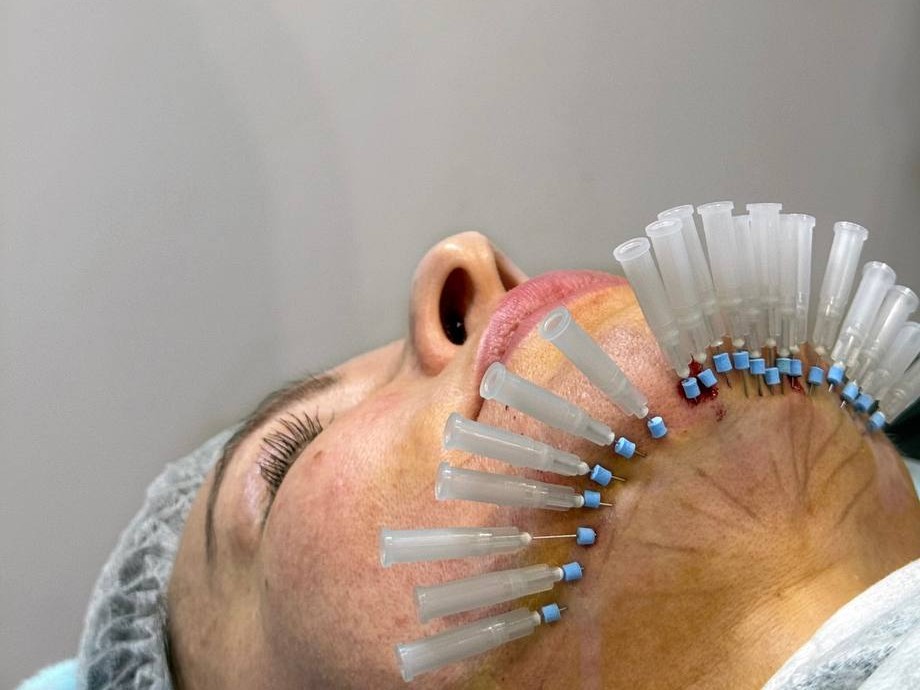
PDO mono threads create a framework beneath the skin that stimulates a local tissue response. This process encourages the skin's natural regenerative mechanisms and makes the treatment relevant to people seeking improvements in overall skin quality rather than pronounced facial lifting.
Why Is Their Minimally Invasive Approach Appealing?
Many people prefer aesthetic procedures that do not require extensive surgical intervention. PDO mono threads fit within this preference because their placement involves small entry points rather than large incisions. The technique allows targeted treatment of selected areas while limiting the degree of tissue disruption associated with more invasive approaches.
Their minimally invasive nature also makes them an option worth discussing with a qualified aesthetic practitioner when exploring different approaches to skin rejuvenation.
Which Areas Can Be Considered for Treatment?
PDO mono threads may be considered for selected facial and body areas where skin texture and firmness are key concerns. Treatment planning depends on the skin's condition, the anatomical area, and the intended aesthetic objective. Commonly discussed areas include:
-
Cheeks: To support a smoother-looking skin surface.
-
Jawline: To address concerns about skin firmness and definition.
-
Neck: To target visible changes in skin texture.
-
Under-eye area: To assess concerns involving delicate skin, where appropriate.
-
Forehead and other facial regions: To explore targeted skin-support options following professional assessment.
What Makes Their Collagen-Stimulating Approach Distinctive?
PDO mono threads are often associated with collagen stimulation because they interact with the tissue beneath the skin. The presence of the threads encourages a local healing response, which can support the body's collagen-related activity. This characteristic distinguishes them from approaches that focus mainly on surface exfoliation or temporary hydration.
The technique is particularly relevant to people interested in supporting the skin's underlying structure. However, individual skin responses vary, and collagen stimulation should not be interpreted as a guarantee of a particular aesthetic outcome.
Why Do People Appreciate Their Natural-Looking Approach?
A preference for understated aesthetic enhancement has contributed to interest in treatments that work with the skin's existing structure. PDO mono threads are designed primarily for skin support rather than dramatic repositioning of facial tissues.
The goal of treatment planning is to consider facial proportions, skin condition, and individual preferences. A personalised approach helps ensure that expectations remain realistic and that the chosen technique aligns with the person's aesthetic priorities.
How Do PDO Mono Threads Fit Into Modern Aesthetic Treatments?
Modern aesthetic care includes a broad range of options designed to address different skin concerns. PDO mono threads occupy a specific place within this field because they focus on supporting the skin's structure through thread placement and collagen stimulation.
They may be discussed alongside other non-surgical approaches, but these techniques are not interchangeable. Skin resurfacing, injectable treatments, energy-based procedures, and thread treatments each have different purposes and suitability considerations.
What Should People Know Before Considering PDO Mono Threads?
Understanding the treatment process and its limitations is an important part of responsible aesthetic decision-making. Important considerations include:
-
Professional assessment: Skin condition, anatomy, and medical history should be reviewed.
-
Practitioner expertise: Thread placement requires knowledge of facial structures and appropriate techniques.
-
Possible side effects: Swelling, bruising, tenderness, infection, and thread-related complications can occur.
-
Individual suitability: Certain medical conditions, active skin infections, or other factors may make treatment inappropriate.
-
Realistic expectations: The technique is not a substitute for surgical lifting or a universal solution for every skin concern.
Final Thoughts
PDO mono threads have gained popularity in skin rejuvenation because they offer a minimally invasive method of supporting skin structure and encouraging natural collagen activity. Their smooth, absorbable design, targeted placement, and focus on skin quality distinguish them from thread techniques developed primarily for lifting facial tissues. Their appeal also reflects a broader interest in personalised aesthetic care and subtle approaches to skin refinement.
