What Makes Good Food Packaging Attractive to Singaporeans?
Author : Donnell Reed | Published On : 19 Nov 2026
Food packaging is often the first thing customers notice before they even taste a product. In Singapore's competitive food and beverage (F&B) industry, where supermarkets, cafés, bakeries, and takeaway businesses offer countless choices, attractive packaging can make a meaningful difference in how consumers perceive a brand. A well-designed package does more than protect food. It communicates quality, creates recognition, and influences purchasing decisions.
However, attractive food packaging is not simply about using bright colours or impressive graphics. Singaporean consumers also need packaging that is practical, informative, easy to use, and environmentally responsible. Businesses must balance visual appeal with functionality to create a positive customer experience.
So, what makes good food packaging attractive to Singaporeans? Several important factors can help F&B brands create packaging that catches attention while building long-term customer trust.
1. Strong Visual Identity That Makes a Brand Recognisable
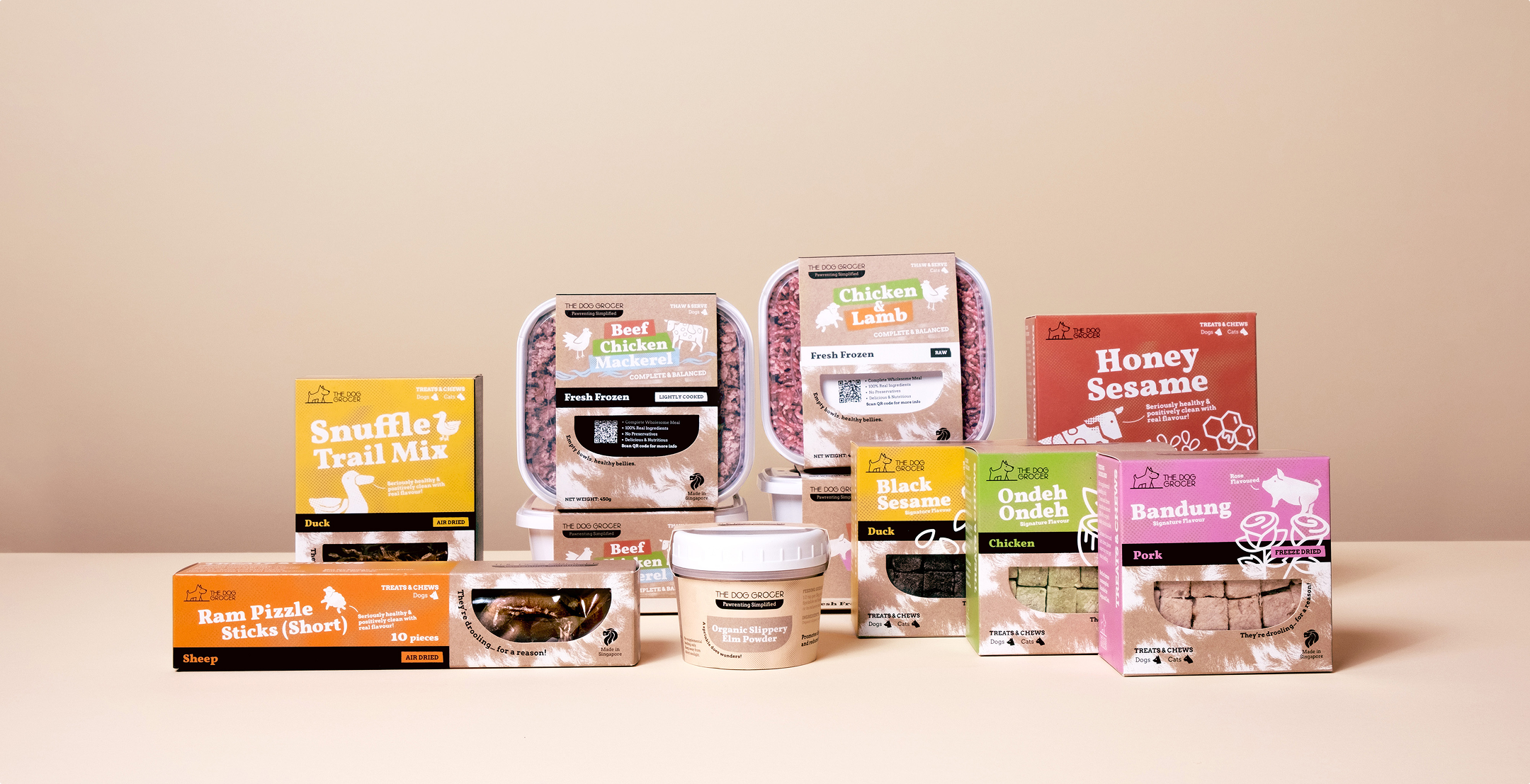
Visual identity is one of the most important elements of successful food packaging. When consumers browse supermarket shelves or scroll through food delivery platforms, they often make quick decisions based on what catches their attention.
Packaging should communicate a brand's personality without requiring customers to read every detail. Consistent visual elements also help consumers recognise products they have purchased before.
Colours That Match the Food and Brand Personality
Colour influences how people perceive food products. For example, green is commonly associated with freshness and natural ingredients, while warm colours such as red, orange, and yellow can create an energetic and appetising impression.
However, businesses should select colours based on their brand positioning rather than following popular design trends blindly.
Consider these examples:
-
Green and earthy tones: Suitable for organic products, plant-based foods, and health-conscious brands.
-
Red and orange: Often used for snacks, sauces, and products that want to communicate energy and bold flavours.
-
Pastel colours: Can create a friendly, playful appearance for bakeries, desserts, and confectionery.
-
Black and gold: Often associated with premium products, specialty chocolates, and luxury food gifts.
The key is consistency. Using the same colour system across different packaging sizes and product variations helps establish a recognisable brand identity.
Typography and Logo Placement
Typography also influences how customers understand a product. A decorative typeface might suit an artisanal bakery, while a clean and modern font may work better for a health-focused food brand.
The logo should be visible without competing with other design elements. Product names and important information should also be easy to identify at a glance.
A good layout creates a clear visual hierarchy, guiding customers from the brand name to the product description and supporting information.
2. Packaging That Communicates Food Quality
Consumers cannot always judge the actual quality of a packaged product before purchasing it. As a result, packaging becomes an important indicator of what they might expect from the food inside.
For instance, a bakery selling handmade pastries may use textured paper boxes, simple illustrations, and carefully selected colours to communicate craftsmanship. Meanwhile, a premium snack brand might use structured pouches and refined typography to create a more sophisticated impression.
The packaging should reflect the actual product experience.
Show the Product's Unique Selling Points
Customers appreciate packaging that helps them understand why a product is worth buying. Instead of filling the design with unnecessary promotional messages, highlight the product's most relevant benefits.
These could include:
-
Freshly prepared ingredients.
-
High-protein or low-sugar content, where accurate and substantiated.
-
Locally produced ingredients.
-
Convenient ready-to-eat formats.
-
Special dietary options.
For example, a protein snack brand could place its protein content prominently on the front panel. This allows customers to identify the product's main benefit without searching through lengthy descriptions.
Importantly, marketing claims should be accurate and supported by appropriate product information. Packaging should build confidence rather than create unrealistic expectations.
3. Convenience and Functionality for Everyday Use
Singapore has a fast-paced food culture, with many consumers purchasing takeaway meals, ready-to-eat products, and snacks throughout the day. Packaging must therefore fit naturally into everyday routines.
An attractive package that is difficult to open, carry, or store can quickly become frustrating.
Practical Packaging Features
F&B businesses should consider how customers will interact with their packaging from the moment they purchase a product until they finish consuming it.
Useful features include:
-
Resealable closures: Help maintain freshness after opening, particularly for snacks and packaged ingredients.
-
Leak-resistant containers: Prevent sauces, soups, and beverages from spilling during transportation.
-
Easy-open designs: Make products more accessible without requiring excessive effort.
-
Portable packaging: Allow customers to carry food conveniently when travelling or commuting.
-
Microwave-safe containers: Offer additional convenience for suitable ready-to-eat meals.
Packaging dimensions also matter. A container should fit the food properly without taking up unnecessary space. For delivery businesses, secure packaging can reduce the risk of damaged products and unpleasant customer experiences.
Ultimately, functionality should be considered alongside appearance during the design process, not added as an afterthought.
4. Sustainable Materials and Environmentally Responsible Design
Sustainability is another consideration for businesses operating in Singapore. Consumers are increasingly exposed to discussions about plastic waste, recycling, and responsible consumption.
For food brands, environmentally conscious packaging can communicate that the business takes its environmental impact seriously.
However, sustainability involves more than replacing plastic with paper. Businesses should consider the entire packaging system, including material sourcing, production, transportation, and disposal.
Choosing More Sustainable Packaging Materials
Depending on the food product and its storage requirements, businesses can explore different packaging options:
-
Recyclable paperboard: Suitable for selected bakery boxes, dry food packaging, and takeaway containers.
-
Recycled materials: Can reduce reliance on virgin raw materials when suitable for food-contact applications.
-
Reusable containers: May work for selected takeaway and beverage businesses with appropriate collection systems.
-
Compostable materials: Can be considered where suitable facilities and disposal arrangements are available.
Food safety must remain a priority. Packaging materials need to protect food from contamination, moisture, and other external factors.
Singapore's National Environment Agency (NEA) also operates the Mandatory Packaging Reporting scheme, which requires qualifying companies to report packaging data and submit plans covering reduction, reuse, and recycling initiatives. This reflects the country's wider efforts to improve packaging resource management.
Avoiding Unnecessary Packaging
Using more packaging does not automatically make a product appear more premium. Excessive layers, oversized boxes, and unnecessary plastic inserts can increase material consumption without improving the customer experience.
A better approach is to create packaging that uses the right amount of material while maintaining product protection and presentation.
This can benefit both the environment and business operations by reducing unnecessary material usage.
5. Clear and Informative Food Labelling
Good food packaging should help customers make informed purchasing decisions. Attractive graphics are useful, but they should never make important product information difficult to find.
This is particularly relevant in Singapore, where consumers have different dietary preferences, food restrictions, and purchasing considerations.
What Information Should Packaging Include?
For prepacked food sold in Singapore, the Singapore Food Agency (SFA) requires businesses to comply with applicable food labelling regulations.
Depending on the product, mandatory information includes:
-
The common name or description of the food.
-
A complete ingredient statement.
-
Net weight or volume.
-
The name and address of the responsible local business entity.
-
Country of origin information where applicable.
-
Other required information, such as lot identification and directions for use or handling under the applicable regulations.
Allergen information is particularly important because certain ingredients can cause hypersensitivity in consumers.
Businesses should also pay attention to the latest regulatory updates. Amendments to Singapore's Food Regulations took effect on 30 January 2026, introducing additional labelling requirements for prepacked food.
Making Information Easy to Read
A common packaging mistake is trying to include too much information in a limited space.
Businesses should organise their layouts carefully by separating product descriptions, ingredients, nutritional information, and other mandatory details.
Use readable fonts, sufficient contrast, and appropriate spacing. Important information should remain visible even when the package is small.
A clean layout helps customers understand the product while maintaining the overall visual appeal.
6. Cultural Relevance and Local Consumer Preferences
Singapore's multicultural population creates opportunities for food brands to develop packaging that feels familiar and meaningful to different audiences.
Local cultural references can make a product more distinctive, particularly during festive periods and special occasions.
For example, packaging for Chinese New Year might incorporate auspicious colours and decorative motifs. Hari Raya food products may feature elegant patterns and festive illustrations, while Deepavali gift packaging could use vibrant colours and traditional decorative elements.
However, cultural references should be applied thoughtfully. A design should respect the intended audience rather than rely on stereotypes or generic decorations.
Businesses can also incorporate familiar local food experiences into their visual storytelling. Illustrations inspired by traditional snacks, local ingredients, or neighbourhood food culture can create a stronger connection with Singaporean consumers.
The objective is to make packaging feel relevant while preserving the brand's own identity.
7. A Memorable Unboxing Experience
Food packaging does not stop influencing customers after the purchase. For delivery orders, gift sets, and premium food products, opening the package becomes part of the overall experience.
A thoughtfully designed unboxing experience can make an ordinary purchase feel more special.
For example, a bakery could use branded tissue paper, customised stickers, and neatly arranged product compartments. A premium confectionery business might introduce an organised box structure that keeps individual pieces protected while making the presentation more appealing.
These details can encourage customers to share their purchases on social media, giving businesses additional opportunities for organic brand exposure.
However, the experience does not need to be expensive. Even small improvements, such as consistent packaging colours, neatly placed labels, and secure closures, can make a difference.
8. Professional Packaging Design That Supports Brand Growth
Creating effective food packaging requires more than choosing attractive colours and adding a logo. Businesses need to consider brand positioning, consumer expectations, product characteristics, material selection, and practical production requirements.
This is where professional design expertise becomes valuable.
Working with an experienced branding studio can help businesses develop packaging that communicates a consistent identity across different products and customer touchpoints. For companies looking to strengthen their visual presentation, STUDIO DAM offers branding and packaging design services that combine creative direction with strategic brand thinking.
A professional design process can help businesses:
-
Identify their target audience and understand competitor packaging.
-
Establish a consistent visual identity and packaging direction.
-
Select suitable colours, typography, illustrations, and layouts.
-
Develop packaging concepts that balance appearance with functionality.
-
Refine designs before moving into production.
The result should be packaging that represents the brand accurately while meeting the practical needs of its customers.
Conclusion: Good Food Packaging Combines Design, Function, and Brand Identity
What makes good food packaging attractive to Singaporeans is the combination of several elements. Strong visual identity attracts attention, clear product information builds confidence, and practical features improve everyday convenience. Sustainable material choices and culturally relevant designs can further strengthen a brand's relationship with its customers.
For F&B businesses, packaging should not be treated as a minor finishing detail. It is an important part of the product experience and a valuable branding investment.
By understanding local consumer preferences and combining thoughtful design with functionality, businesses can create food packaging that stands out in Singapore's competitive market, encourages repeat purchases, and builds lasting brand recognition.
