What Makes Aluminum Frame Repair Different from Traditional Auto Body Repair?
Author : Charlette Emma | Published On : 13 Nov 2026
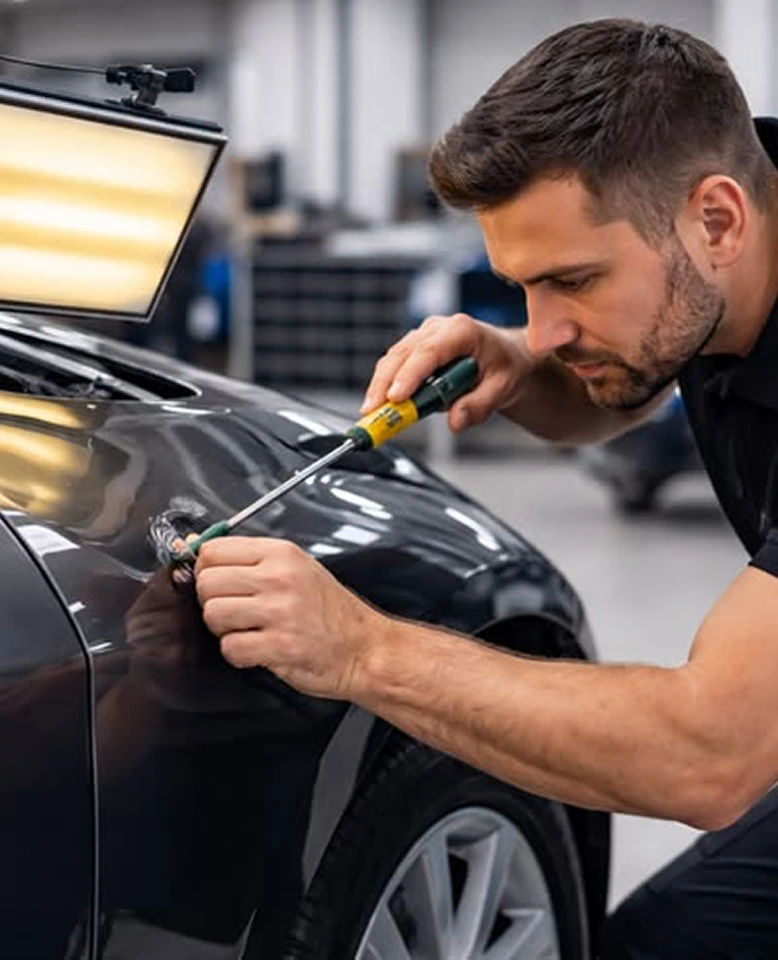 Modern vehicles use aluminum in body panels, structural sections, and frame components because it offers a useful balance of low weight and strength. Traditional auto body repair has often focused on steel, but aluminum responds differently to impact, heat, and reshaping. These differences affect how technicians inspect damage, select tools, and restore a vehicle.
For drivers, choosing an aluminum auto body repair specialist in Los Angeles, CA, can help ensure the repair plan accounts for the vehicle's materials and the manufacturer's procedures. Aluminum work isn't just ordinary dent repair with a different metal. It requires material awareness, controlled processes, and suitable equipment from inspection through careful quality checks.
How Aluminum Behaves After a Collision
Weight, Flexibility, and Damage Patterns
Aluminum is lighter than steel, which helps automakers manage vehicle weight. However, its response to collision forces differs. Depending on the alloy, design, and location, aluminum may crease, crack, or retain deformation in ways that call for specific repair decisions. Technicians must assess whether a panel can be repaired safely or should be replaced.
Steel may tolerate certain reshaping methods that are unsuitable for aluminum. Repeated or excessive working can cause aluminum to harden and become more vulnerable to cracking. An experienced aluminum repair technician evaluates the damage before choosing a repair approach rather than assuming familiar steel techniques will work. Vehicle-specific guidance should always take priority.
Specialized Tools and a Controlled Work Area
Preventing Cross-Contamination
One of the most important differences is preventing steel particles from contaminating aluminum. Dust or fragments from steel tools can become embedded in an aluminum surface. In the presence of moisture, this contamination can contribute to galvanic corrosion. For that reason, aluminum work needs clean processes and dedicated tools, abrasives, and storage.
A certified aluminum body repair los angeles facility should have procedures that separate aluminum work from ordinary steel repair. Dedicated work areas, tool control, and effective dust extraction help reduce the risk of cross-contamination.
Equipment Designed for Aluminum
Some repairs require specialized pulling equipment, welding systems, riveting tools, or bonding methods. Drivers comparing local repair facilities should ask whether the shop has equipment suitable for their specific make and model.
Why Training and Manufacturer Procedures Matter
Vehicle-Specific Repair Information
Not every aluminum panel or structure can be repaired in the same way. Automakers publish procedures that explain approved repair locations, joining methods, replacement parts, and restrictions. Technicians should consult current information for the exact vehicle instead of applying a general method to every repair.
A certified aluminum body repair Los Angeles provider should be prepared to explain the training and repair processes relevant to the job.
Accurate Inspection and Measurement
A collision can affect more than the visible panel. Technicians may need to inspect structural mounting points, seams, adjacent components, and alignment. Measuring equipment and a documented repair plan help identify damage that might not be obvious from the outside. An aluminum auto body repair specialist los angeles ca should explain the findings, recommended operations, and any parts that may need replacement. Clear communication helps vehicle owners understand why aluminum repairs can involve different steps and why the lowest estimate may not include every required procedure.
The Repair Process from Assessment to Refinishing
The process begins with identifying the materials and reviewing the manufacturer's repair information. Technicians document visible damage, check related structural areas, and determine the approved repair strategy. They then prepare a clean work area and use tools assigned to aluminum tasks. This organized approach reduces avoidable contamination and supports consistent workmanship.
During repair, technicians may reshape an approved panel, replace a damaged section, or install a new component using specified fasteners, adhesives, or welding methods. They must follow the correct sequence and protect nearby materials. After the structural or panel work, the surface is prepared for corrosion protection, primer, colour matching, and refinishing as required.
A repair estimate should also distinguish cosmetic work from structural operations. Panel gaps, door movement, sensor locations, and manufacturer-required checks may all matter after a collision. Ask how the shop will document measurements and verify completed work. These details make the repair plan easier to understand and help customers compare estimates on the scope of work, not price alone.
A qualified aluminum auto body repair specialist los angeles ca also checks fit, finish, and alignment before returning the vehicle. Final inspection should confirm that repaired components meet the applicable procedures and that adjacent parts operate as intended. The goal is not only a smooth appearance but a repair that respects the vehicle's original design.
Choosing an Aluminum Repair Facility in Los Angeles
When comparing shops, ask about aluminum-specific training, dedicated tools, work-area separation, dust control, and access to manufacturer repair procedures. Ask how the facility will assess hidden damage and explain repair-versus-replacement decisions. A professional shop should welcome reasonable questions and provide a clear estimate that describes the planned work.
Drivers researching certified aluminum body repair los angeles should look beyond a general claim of experience. Ask what training applies to the technicians handling the vehicle and whether the shop has repaired similar aluminum structures. Also confirm that the facility follows the automaker's instructions for parts, joining methods, and corrosion protection.
Choosing a local aluminum repair service means finding a team that understands both the material and the vehicle.
Final Thoughts
Aluminum frame repair differs from traditional auto body work because the material responds differently to force, heat, and contamination. Dedicated tools, separated work areas, trained technicians, and vehicle-specific procedures all contribute to a responsible repair. These steps help protect the vehicle's structure and finish.
For drivers, selecting an aluminum auto body repair specialist los angeles ca is an important part of the repair decision. Look for a facility that can explain its process, demonstrate relevant training, and follow manufacturer guidance. Whether comparing certified aluminum body repair los angeles options or comparing local repair options, prioritize careful inspection, transparent communication, and repair methods suited to the vehicle.
